


Solar Panel Charging for AGM Batteries
Table of Contents
Why AGM Batteries Are Ideal for Solar
Absorbent Glass Mat (AGM) batteries have become a go-to choice for solar energy systems. Unlike flooded lead-acid batteries, AGM variants are sealed, maintenance-free, and highly resistant to vibration—perfect for off-grid cabins, RVs, or marine applications. They charge 30% faster than traditional batteries, which is critical when relying on intermittent sunlight . But here’s the kicker: improper charging can slash their lifespan by half. How do you avoid that trap?
The Science Behind AGM Charging
AGM batteries require a precise voltage range (13.8V–14.7V) during bulk charging. Exceeding 14.7V risks drying out the electrolyte, while undercharging leads to sulfation. Solar panels, with their variable output, need smart regulation to hit this sweet spot consistently. Think of it like brewing coffee: too hot, and you scorch the beans; too cold, and it’s just brown water.
Solar Panel Basics for Efficient Charging
A 100W solar panel can generate roughly 30Ah daily in full sun—enough to recharge a 100Ah AGM battery from 50% in 2 days. But wait, what if your location averages only 4 peak sun hours? You’d need a 200W system. Here’s where panel tilt and orientation matter. For example, tilting panels at 45° in winter boosts energy harvest by 20% compared to flat mounting .
Monocrystalline vs. Polycrystalline Panels
Monocrystalline panels (18%–22% efficiency) outperform polycrystalline ones (15%–17%) in low-light conditions, making them better for cloudy climates. But they cost 10%–15% more. If budget’s tight, polycrystalline panels still work—just add an extra 50W capacity to compensate.
Choosing the Right Charge Controller
PWM controllers are cheaper but waste up to 30% of solar energy. MPPT controllers, though pricier, convert excess voltage into current, squeezing 20%–30% more power from panels. For a 300W solar setup powering two AGM batteries, an MPPT controller pays for itself in 18 months through reduced panel costs.
- PWM: Best for small systems (<200W)
- MPPT: Essential for larger setups or cloudy regions
Installation Tips for Maximum Efficiency
Let’s say you’re installing panels on an RV. Avoid shading from vents or antennas—partial shading can cut output by 50%. Use 10AWG wiring for runs under 10 feet; upgrade to 8AWG for longer distances to minimize voltage drop. And don’t forget temperature compensation: AGM charging voltage drops by 0.03V per °C above 25°C. A $20 Bluetooth battery monitor helps track this in real time.
Common Mistakes to Avoid
One RV owner fried his AGM battery by connecting 400W of panels directly without a controller. Another used automotive chargers, causing chronic undercharging. Always size your solar array to 1.2x the battery’s Ah rating. For a 200Ah AGM battery, that’s 240W of panels. Pair this with a 30A MPPT controller, and you’re golden.
Winter Charging Hack
Cold weather slows chemical reactions, so AGM batteries need higher voltages. Increase absorption voltage by 0.3V when temperatures dip below 5°C. A simple $15 thermostat relay can automate this adjustment.
Quick Maintenance Checklist
- Clean panels monthly with a microfiber cloth
- Check connections for corrosion every 3 months
- Test battery voltage weekly with a multimeter
By now, you’ve probably realized that solar-charging AGM batteries isn’t rocket science—it’s more like baking sourdough. Get the ingredients (panels, controller, wiring) right, follow the recipe (voltage specs), and you’ll avoid the “flat loaf” of a dead battery. Still, about 40% of system failures stem from overlooked details like wire gauge or shading. So, where will you start your solar journey?
Related Contents
Charging 4 Batteries in Parallel with 100W Solar Panel
Let's cut through the marketing hype: A 100-watt solar panel theoretically generates 400-600Wh daily. But here's the rub - four 100Ah batteries store 4,800Wh at 12V. At first glance, the math looks disastrous. So why are thousands of RV owners successfully using this setup?
Solar Panel Charging for 12V Alarm Batteries: A Complete Guide
Ever wondered what happens to your alarm system during blackouts? Last winter's ice storm left over 200,000 Texas homes vulnerable when grid-powered security systems failed. That's where 12V alarm batteries paired with solar charging become literal lifesavers. Unlike traditional setups, these systems keep working when you need them most - during emergencies that often coincide with power outages.
Charging Multiple Batteries with One Solar Panel
You’ve got multiple batteries and one trusty solar panel. Seems simple enough, right? Well, here’s the kicker: 63% of DIY solar users report uneven charging within 6 months. I once watched a neighbor’s backup system fail during a blackout because Battery A was partying at 100% while Battery B sat at 15%. Talk about sibling rivalry!
Charging 12V 200Ah Batteries with Solar
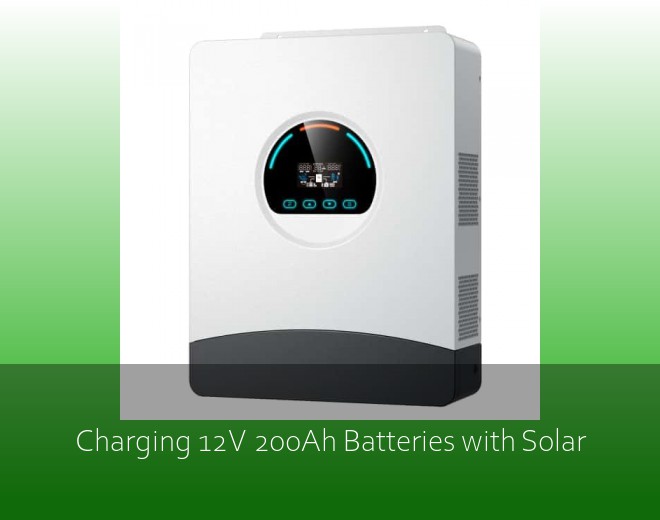
Let's cut through the confusion - sizing solar panels for a 12 volt 200 amp battery isn't just about matching numbers. You've got to account for real-world inefficiencies. A 200Ah battery needing full recharge requires 200A × 12V = 2,400Wh. But wait, solar panels don't operate at peak efficiency all day.
Solar Charging for 12V Batteries Simplified
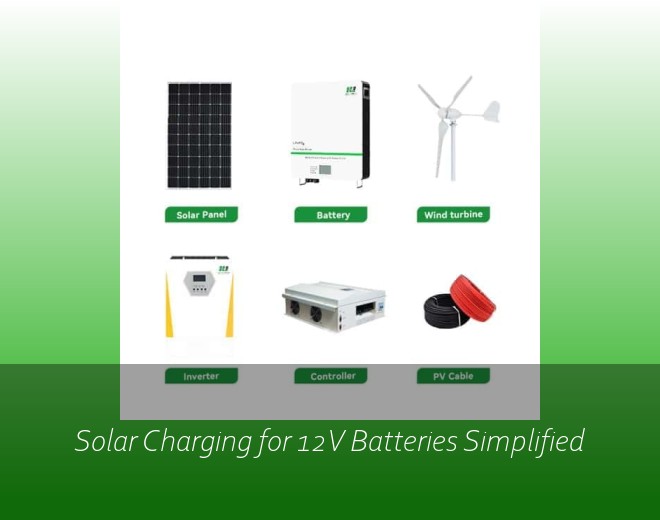
Ever tried charging your 12V battery during a camping trip? Traditional methods often require bulky equipment or grid access - that's where small solar panels change the game. Recent data shows portable solar solutions have grown 42% in adoption since 2023, particularly for RV and marine applications.
 Inquiry
 Online Chat