


Solar Energy Storage Solutions: Powering the Future
Table of Contents
The Elephant in the Renewable Room
We've all heard the numbers - solar installations grew 23% year-over-year globally in 2024. But here's the rub: 35% of new solar adopters still rely on diesel generators as backup. Why? Because intermittency issues remain solar's Achilles' heel.
Take Texas' 2024 grid crisis. When a week-long storm cloud system parked over West Texas, solar output dropped 78% while demand spiked. Utilities had to implement rolling blackouts affecting 2.4 million homes - despite having sufficient panel capacity.
From Lead-Acid to Liquid Metal: A Storage Revolution
The solution emerged from an unlikely source. In March 2025, Chinese manufacturer BYD unveiled their liquid-cooled lithium iron phosphate (LFP) batteries with 15-year warranties - a first for residential systems. Meanwhile, startups like Eos Energy are commercializing zinc-based batteries that won't catch fire - period.
"Storage isn't just about saving sunshine for night time anymore. It's about grid stabilization and energy independence." - Recent comment from Fluence Energy's Q1 earnings call
Case Study: How San Diego Avoided Blackouts
Last summer's heatwave tested California's revamped grid. When temperatures hit 112°F (44°C), the state's 2.1 GW of distributed solar+storage systems automatically fed power back to the grid. Result? Zero rotating outages in areas with >15% storage penetration.
- Peak demand reduction: 19% through storage dispatch
- Average response time: 900 milliseconds
- CO2 emissions avoided: Equivalent to taking 84,000 cars off roads
For Homeowners: Cutting Through the Hype
With 27 battery brands now competing in the residential market, choosing becomes overwhelming. The sweet spot? Systems offering:
- At least 10 kWh capacity
- Seamless integration with existing solar
- Storm outage protection of 18+ hours
But wait - lithium isn't the only player anymore. Companies like Aquion (saltwater batteries) and Ambri (liquid metal) offer non-toxic alternatives perfect for eco-conscious buyers.
Addressing the Battery in the Room
After the 2023 Arizona battery fire made headlines, safety concerns spiked. Modern systems now include:
- Automatic thermal runaway containment
- Remote shutdown capabilities
- Mandatory 2-hour fire rating for enclosures
As of March 2025, UL's new 9540A standard has reduced storage-related incidents by 62% year-over-year. The message is clear: when properly installed, today's systems are safer than gas generators.
What's Next? The Community Storage Movement
Minnesota's "Solar Gardens" program shows where we're heading. Residents without rooftops for panels can buy into shared storage arrays - think timeshares for electrons. Early data shows participants save 22% on bills while enjoying backup power during outages.
Germany's new "Speicherbonus" subsidy takes it further - offering €0.08/kWh for feeding stored solar into the grid during peak hours. Could this be the model that finally makes storage universally accessible?
Related Contents
Solar Energy Storage Solutions: Powering a Sustainable Future
We're standing at a crossroads where solar energy storage solutions aren't just nice-to-have - they're critical infrastructure. The European photovoltaic market alone is projected to require over 90GW of components in 2024, climbing to 110GW by 2025. But here's the rub: without efficient storage, we're literally wasting sunlight.
Solar Energy Storage Solutions: Powering a Sustainable Future
Let's face it – we've all wondered why solar panels haven't completely replaced traditional power plants yet. The answer lies in what happens when the sun isn't shining. Last month, Texas experienced rolling blackouts during cloudy weather despite having installed 15GW of solar capacity – that's enough to power 3 million homes... when the sun cooperates.
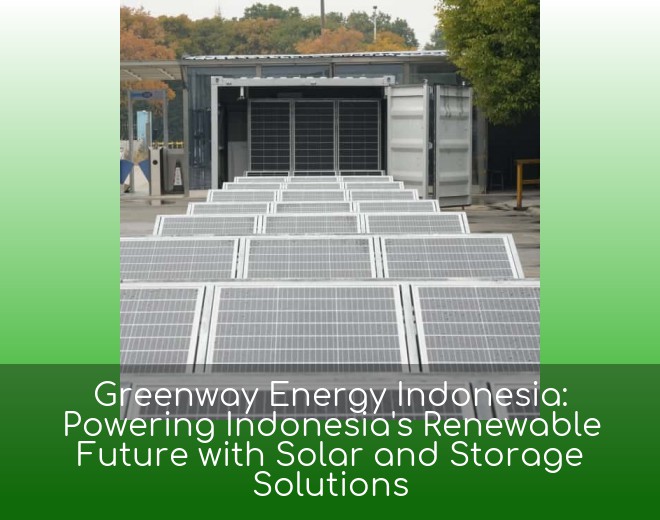
Greenway Energy Indonesia: Powering Indonesia's Renewable Future with Solar and Storage Solutions
A nation spanning 17,000 islands, where 25% of households lack reliable electricity access despite sitting atop 3,692 GW of renewable energy potential . Indonesia's energy paradox isn't just ironic – it's a ticking time bomb. With coal still fueling 61% of power generation, the archipelago faces mounting pressure to reconcile economic growth with its net-zero pledges.
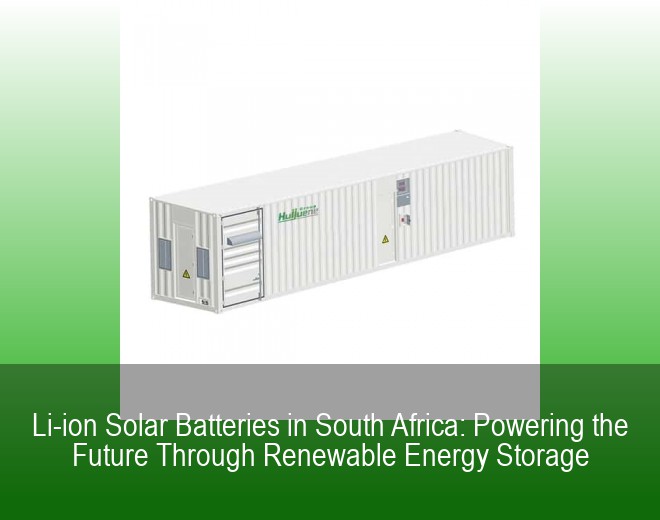
Li-ion Solar Batteries in South Africa: Powering the Future Through Renewable Energy Storage
You know, rolling blackouts have become a part of daily life here. But what if I told you Li-ion solar batteries are quietly rewriting South Africa's energy story? With 8.97 GW of solar capacity installed by October 2024 – 6.1 GW from private installations alone – the country's energy landscape is undergoing its most dramatic transformation since the coal era.
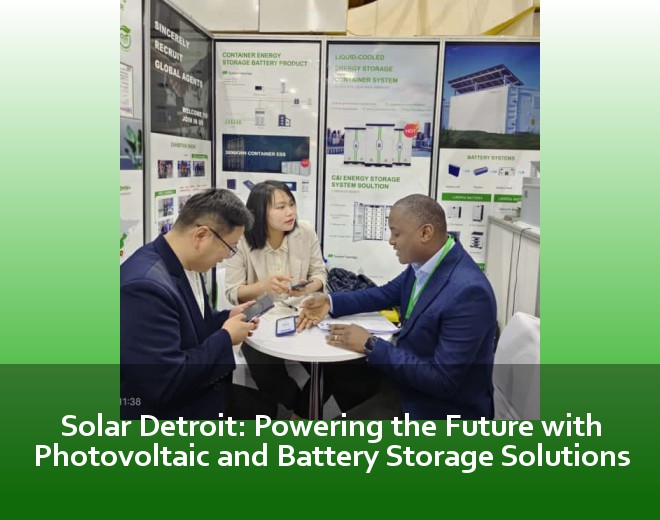
Solar Detroit: Powering the Future with Photovoltaic and Battery Storage Solutions
Detroit's photovoltaic storage capacity grew 38% last year - but why does this matter? As former automotive hubs repurpose factories for solar panel production, we're witnessing industrial transformation first-hand. The city's average 4.3 peak sun hours daily creates ideal conditions for solar harvesting, yet only 12% of rooftops currently utilize this potential.
 Inquiry
 Online Chat