


BESS Capacity: Powering Renewable Futures
Table of Contents
Why BESS Capacity Defines Our Energy Future
You know that moment when your phone battery hits 1% during a storm warning? That's our power grids right now - desperately needing energy storage buffers as renewable adoption accelerates. The global BESS market's ballooning to $150 billion by 2030 , but here's the kicker: we're still storing less than 4% of generated solar energy.
Recent breakthroughs like GoodWe's 1100V inverters and Sungrow's 1.5GWh utility-scale project show the industry's responding. Yet when Texas froze in 2021, 346 people died because backup systems failed. That's why getting BESS capacity right isn't just technical - it's existential.
The Grid Integration Puzzle
Ever tried charging 10 EVs from a single outlet? That's what utilities face with today's renewable energy integration. The crux lies in three pain points:
- Solar/wind's "feast or famine" generation cycles
- Aging grid infrastructure designed for steady coal/nuclear
- Public resistance to visible infrastructure (NIMBY meets batteries)
Take California's duck curve - solar overproduction at noon followed by evening scarcity. Without sufficient storage capacity, we're forced to curtail clean energy (15% loss in 2023 alone) while burning fossils after sunset.
How New Tech is Rewriting the Playbook
Remember when phone batteries lasted a day? Today's battery storage systems are undergoing similar revolutions:
Game-Changing Developments
BSLBATT's MicroBox 800 proves small-scale solutions matter. Its 2kWh balcony units let urban dwellers store excess solar - no utility dependence. On the utility side, Vision Energy's Singapore project delivers 138MWh using liquid-cooled batteries that recharge 24,000 homes daily.
But here's where it gets spicy: new hybrid systems combine lithium-ion with flow batteries. Imagine your Tesla battery paired with a molten salt reservoir - that's the future ensuring both quick response and long-duration storage.
Singapore's Energy Storage Masterclass
Let's unpack Southeast Asia's largest BESS . In just 6 months, they deployed 100MW/138MWh capacity across 2 hectares - that's storing enough energy for 240,000 refrigerator-days daily. Three key takeaways:
- Government-utility partnerships accelerate timelines
- Liquid cooling enables dense urban deployment
- Fire safety certifications (EI120) build public trust
Their secret sauce? Using EV-grade batteries repurposed for grid storage. By leveraging automotive manufacturing scales, they achieved 20% cost savings versus dedicated grid batteries.
The $100/kWh Horizon
Back in 2010, lithium-ion cost $1,200/kWh. Today? We're flirting with $80/kWh for utility-scale systems . This price freefall's enabling projects previously deemed uneconomical:
| Application | 2015 Cost | 2025 Cost |
|---|---|---|
| Peak Shaving | $400/MWh | $150/MWh |
| Black Start | N/A | $220/MWh |
| Frequency Regulation | $300/MWh | $90/MWh |
But wait - does cheaper mean better? Recent thermal runaway incidents remind us that safety can't be sacrificed. That's why leading manufacturers now embed fire suppression directly in battery racks.
Where Do We Go From Here?
The next frontier? AI-driven battery management. Imagine systems that predict cell failures weeks in advance, or automatically trade stored energy on power markets. With 50 million IoT-connected BESS units expected by 2030 , cybersecurity becomes the new battleground.
One thing's clear: BESS capacity isn't just about storing electrons. It's about storing hope for a grid that's resilient, renewable, and radically democratic. The technology's here - the question is, will our policies and public perception keep up?
Related Contents
BESS Impianti: Powering Renewable Futures
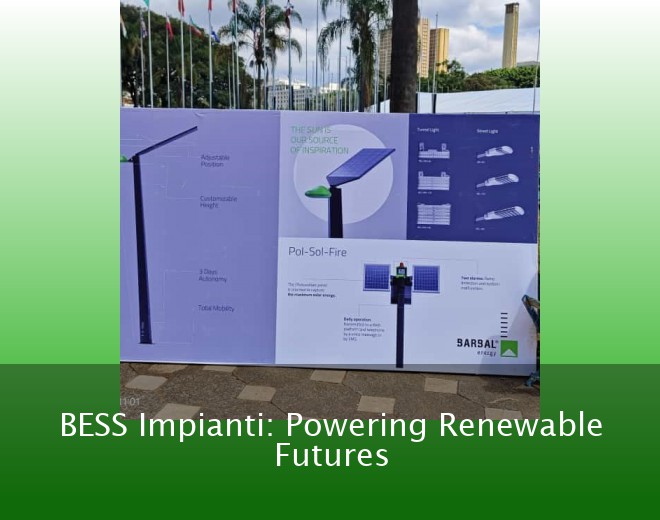
Ever wondered why Texas faced blackouts during 2021's winter storm despite having abundant wind power? The answer lies in our aging grid's inability to store surplus energy. With global renewable capacity projected to grow 60% by 2030 (IRENA 2023), Battery Energy Storage Systems (BESS) aren't just optional - they're the missing link in our clean energy transition.
BESS: Powering Renewable Energy Futures
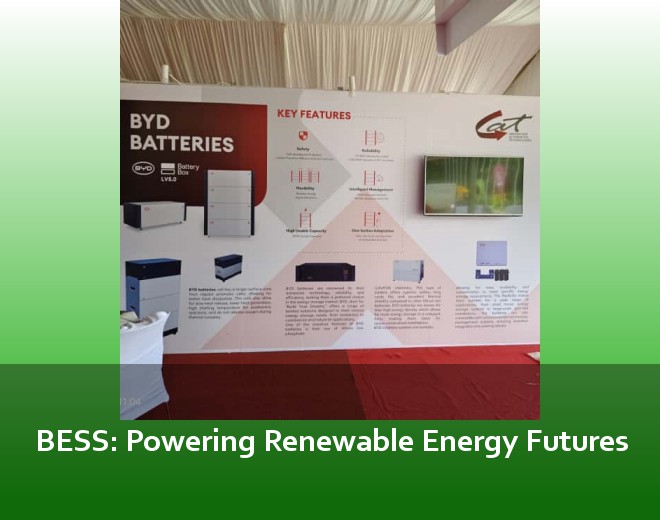
We've all heard the numbers - global renewable energy capacity grew by 50% in 2024 alone. But here's the kicker: 37% of that potential clean energy never reaches consumers due to grid limitations. That's enough to power Germany for six months... wasted.
BESS Monitoring: Powering Renewable Futures
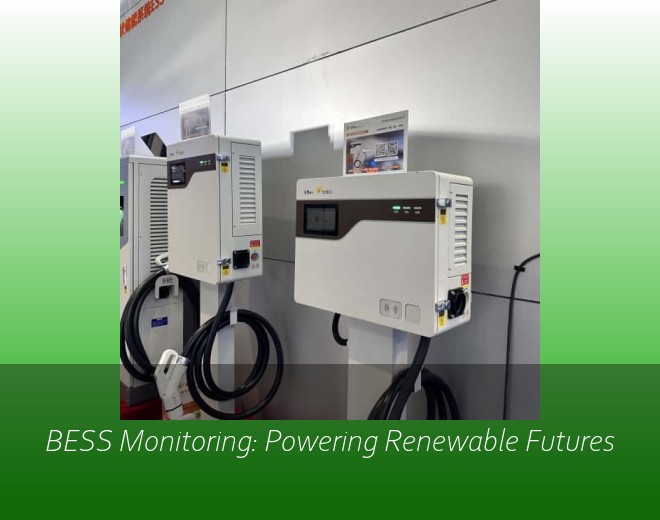
California's 2024 summer blackouts left 150,000 homes powerless despite having Battery Energy Storage Systems installed. Why? Outdated monitoring couldn't predict thermal runaway in 12% of battery racks. This isn't isolated – Australia's Hornsdale Power Reserve initially lost 23% capacity within 18 months due to uneven cell degradation.
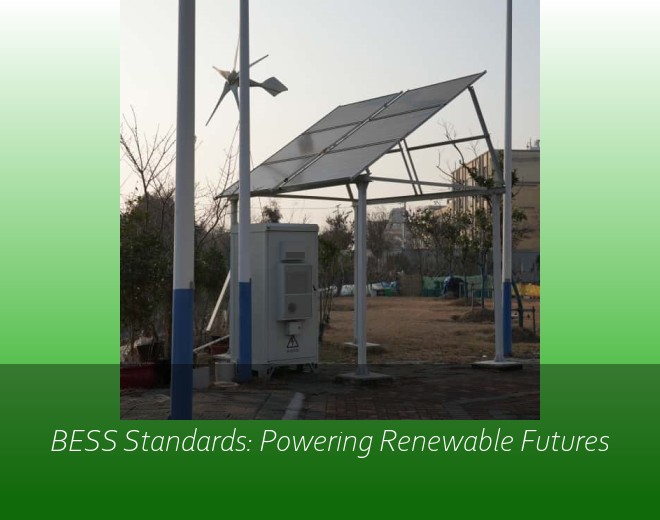
BESS Standards: Powering Renewable Futures
You know what's keeping solar developers awake? BESS voltage inconsistencies across installations. Last quarter's report from DNV GL revealed 43% of solar-plus-storage projects experienced performance drops due to mismatched battery bank voltages. We're talking about systems designed for 1500V DC suddenly interfacing with 1000V inverters - it's like trying to fit a European plug into an American socket!
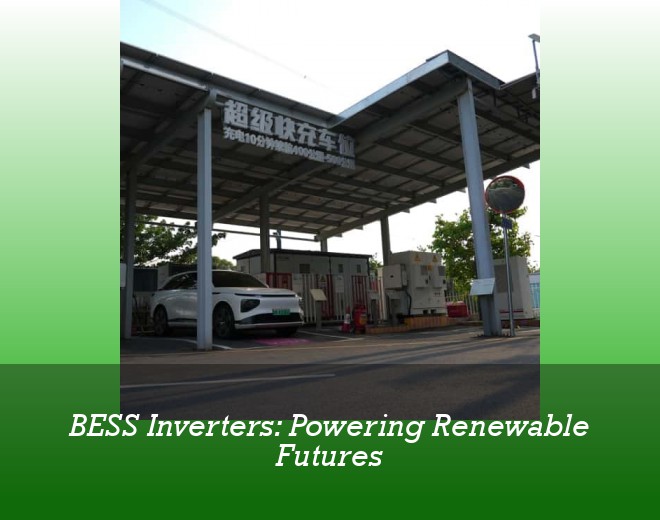
BESS Inverters: Powering Renewable Futures
Ever wondered what makes modern battery systems actually useful? The unsung hero isn't the battery itself, but the BESS inverter that breathes life into stored electrons. These devices convert DC battery power into AC electricity we can actually use - and they're getting smarter by the month.
 Inquiry
 Online Chat