


Backup Power Systems: Renewable Energy's Safety Net
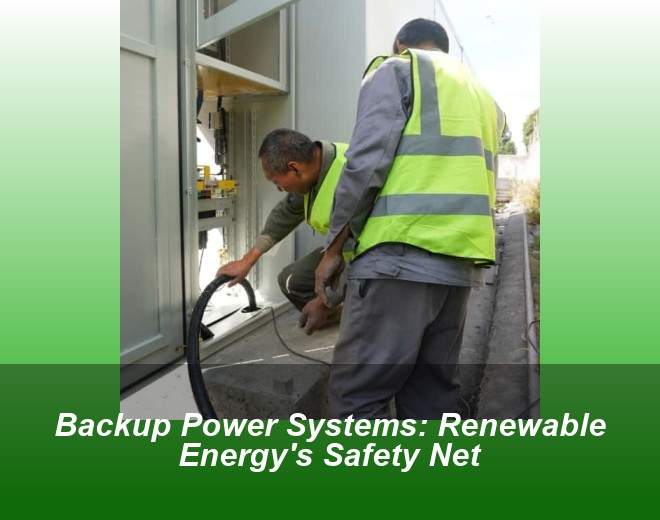
Table of Contents
Why Traditional Grids Fail Modern Needs
Ever wondered why your lights flicker during storms despite living in the 21st century? The brutal truth is our power infrastructure still operates like a 1950s muscle car in an era of electric vehicles. Last winter's Texas grid collapse left 4.5 million homes freezing - a wake-up call written in icicles.
Three critical vulnerabilities plague conventional systems:
- Single-point failure risks (one downed transmission line can blackout entire regions)
- Slow response to demand spikes (up to 45 minutes ramp-up time for gas peaker plants)
- Zero immunity to climate disasters (hurricanes, wildfires, floods)
The Hidden Cost of "Reliable" Power
Utilities spend $12 billion annually maintaining aging infrastructure that still fails 92% faster during extreme weather. It's like putting bandaids on a crumbling dam.
Battery Storage: The Game Changer
Here's where backup power systems rewrite the rules. Modern battery arrays respond in milliseconds, not minutes. Take Tesla's Hornsdale Power Reserve in Australia - it's prevented 14 major outages since 2017 by reacting faster than traditional plants.
Key advantages of battery-based backup:
- 7x faster response than gas turbines
- Modular design (scale from home to city-level)
- Silent operation (no noisy generators)
Solar + Storage: Perfect Marriage
Now, pair batteries with solar and you've got an unstoppable duo. Photovoltaic systems generate clean energy by day while charging backup storage. When clouds roll in, the battery takes over seamlessly.
Recent projects prove this synergy:
"At our Shanghai facility, the solar-storage combo reduced diesel generator use by 83% during typhoon season." - Huijue Group Field Report
Beyond Basic Batteries
New flow battery technology lasts 20+ years vs traditional lithium's 10-15 year lifespan. Vanadium redox systems can cycle daily without degradation - perfect for daily solar charging.
Beyond Blackouts: Financial Benefits
Let's crunch numbers. A 10kW solar + 20kWh storage system:
| Upfront Cost | $18,000 |
| Utility Savings/Year | $2,100 |
| Demand Charge Reduction | 40-60% |
| Payback Period | 6-8 Years |
But wait - in California's latest fire season, businesses with backup power avoided $470,000/hour losses during PSPS outages. Suddenly that $18k investment looks like cheap insurance.
Breakthroughs Reshaping Energy Security
2024's most exciting development? Bidirectional EV charging. Your electric car becomes a mobile power bank, feeding energy back into your home during outages. Ford's F-150 Lightning already offers 9.6kW output - enough to run a household for 3 days.
Another game-changer: AI-powered energy management systems that predict outages 72 hours in advance using weather data and grid health metrics. They automatically charge batteries before storms hit.
The Human Factor
During Hurricane Laura, a Louisiana hospital's solar-storage system kept ventilators running for 127 hours straight. Stories like this make engineers like me push harder - it's not just electrons we're moving, it's lives we're protecting.
Related Contents
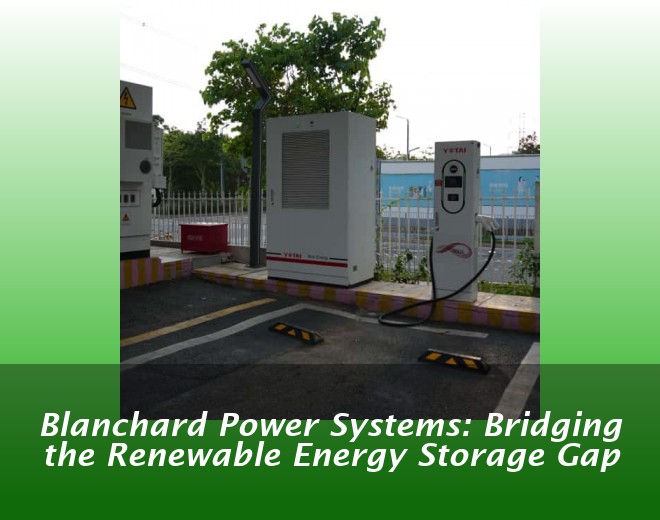
Blanchard Power Systems: Bridging the Renewable Energy Storage Gap
solar panels have become almost ubiquitous on rooftops worldwide, yet we're still burning fossil fuels when the sun goes down. Why hasn't energy storage kept pace with solar adoption? The answer lies in three fundamental mismatches:
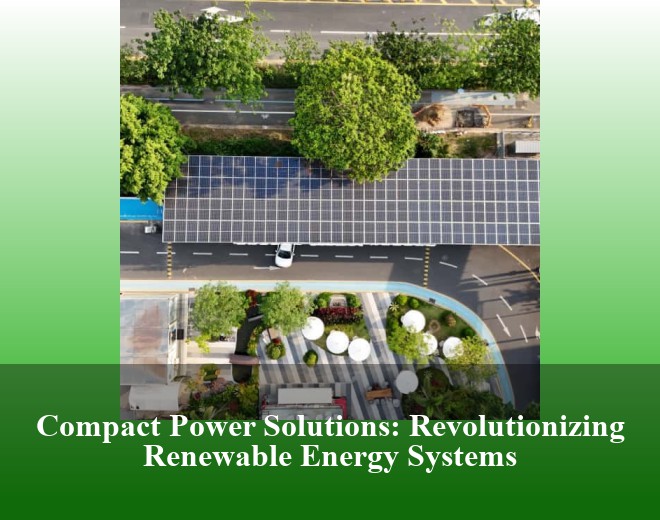
Compact Power Solutions: Revolutionizing Renewable Energy Systems
Ever wonder why your city still experiences blackouts despite massive solar investments? The truth might shock you - compact power solutions aren't just about size, but about intelligent energy redistribution. Urban centers now face a paradoxical situation: 78% of commercial buildings have solar panels, yet 62% still rely on diesel generators during peak hours.
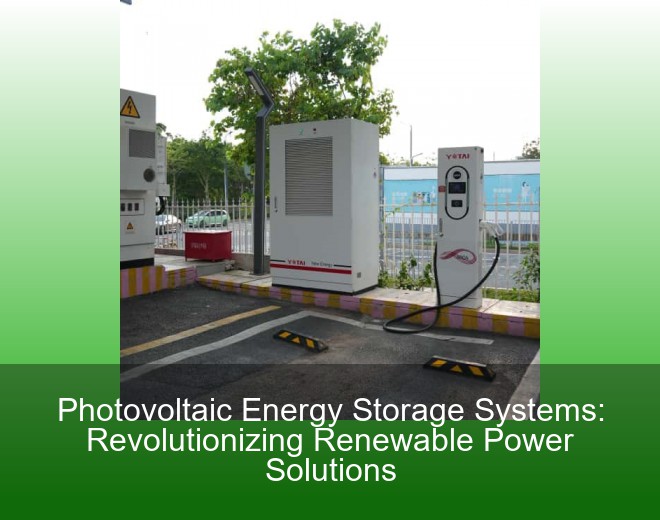
Photovoltaic Energy Storage Systems: Revolutionizing Renewable Power Solutions
Ever wondered why your solar panels still leave you vulnerable to blackouts? The answer lies in the intermittency gap - that frustrating period when clouds roll in or night falls. Traditional solar setups without storage essentially waste 40-60% of generated energy, according to 2023 grid data from China's National Energy Administration.
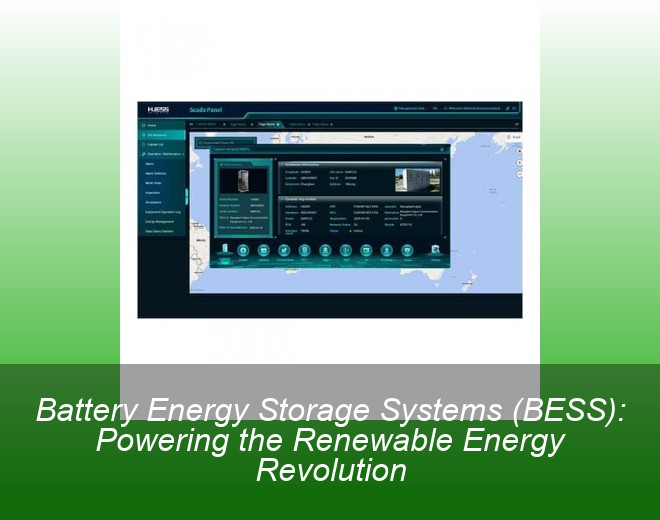
Battery Energy Storage Systems (BESS): Powering the Renewable Energy Revolution
Ever wondered why your solar panels stop working during blackouts? Battery Energy Storage Systems (BESS) hold the answer. With global renewable energy capacity growing 15% annually since 2020, the real challenge isn't generation—it's storing that clean power when the sun sets or winds die. Traditional grids lose up to 30% of renewable energy due to mismatched supply and demand cycles.
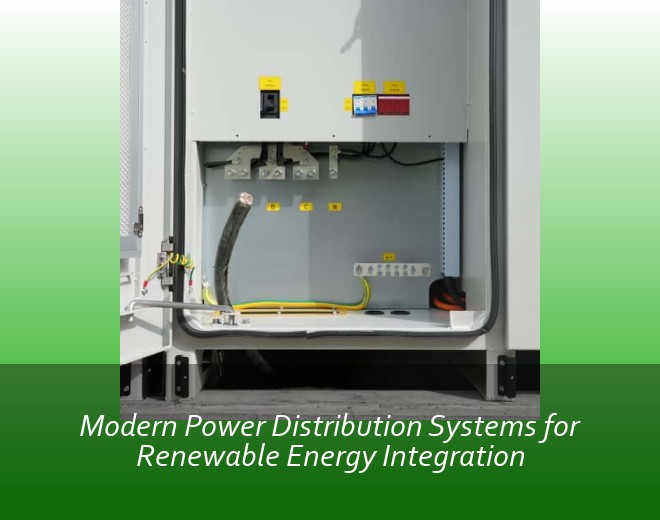
Modern Power Distribution Systems for Renewable Energy Integration
You know that sinking feeling when your phone battery dies during a video call? Now imagine that happening to entire cities. In 2024, California experienced 14 hours of rolling blackouts during an unexpected heatwave – despite having enough solar capacity to power 13 million homes. What's going wrong with our power distribution systems?
 Inquiry
 Online Chat