


OPV Photovoltaic Cells: Flexible Solar Revolution
Table of Contents
Why Rigid Solar Panels Fail Tomorrow's Energy Needs
You know that feeling when you try to fit a square peg into a round hole? That's exactly what's happening with traditional silicon solar panels in our evolving energy landscape. While they've dominated the market since the 1970s, their rigid structure and heavy weight make them about as practical for modern applications as a flip phone in the age of foldable screens.
Consider this: Global demand for building-integrated solar solutions grew 42% in 2024 alone. Yet conventional panels can't conform to curved roofs or wrap around electric vehicles without compromising efficiency. The International Renewable Energy Agency reports that 68% of urban solar potential remains untapped due to structural limitations.
The Weight of Tradition
Silicon panels weigh 15-20 kg/m² - fine for industrial rooftops, but catastrophic for historic buildings or mobile applications. OPV photovoltaic cells slash that weight to a featherlight 0.3 kg/m². Imagine solar awnings that schoolchildren could install, or emergency shelters generating power from their own walls!
The OPV Advantage: Lightweight Design Meets High Efficiency
Here's where things get exciting. Organic photovoltaic technology uses carbon-based polymers that absorb sunlight differently than silicon. While current lab efficiencies reach 18.2% (a 300% improvement since 2015), the real magic lies in their adaptability. Picture solar films as thin as plastic wrap, bending to 30-degree angles without performance loss.
"We're not just making solar panels - we're reinventing how surfaces interact with light," says Dr. Lin Wei, lead researcher at Huijue Group's OPV division.
Manufacturing Revolution: Roll-to-Roll Printing
Traditional solar manufacturing requires $3 million+ vacuum chambers. OPV cells get printed like newspapers using 2024's breakthrough roll-to-roll technology. China's new production lines can output 10,000 square meters daily - enough to cover three football fields with solar-active material.
- Material waste reduced from 40% to 5%
- Production speed increased 8x vs. silicon wafers
- Energy payback period: 3 months vs. 2 years for silicon
OPV in Action: From Solar Clothing to Smart Cities
Let me tell you about the Shenzhen Bus Network trial. Since March 2024, 200 electric buses have been wrapped in OPV films generating 15% of their charging needs through ambient light. The kicker? The film's adhesive contains recycled plastic bottles.
But wait - there's more game-changing applications:
- Medical wearables powered by body heat and indoor lighting
- Retail packaging that charges your phone while you unbox
- Solar greenhouses growing crops and energy simultaneously
The Transparency Paradox
Most solar tech fights for maximum sunlight absorption. OPV photovoltaic cells can actually tune their transparency. Huijue's latest 30% transparent modules generate 80W/m² while allowing natural light into buildings - a perfect marriage of form and function.
Navigating the Challenges
Now, I don't want to sound like a Monday morning quarterback here. Current OPV stability under continuous UV exposure needs improvement - most commercial products maintain 85% efficiency after 10 years versus silicon's 90%. But with encapsulation advances from the aerospace industry, we're closing that gap faster than expected.
The real bottleneck? Public perception. A 2024 EU survey showed 61% of consumers still associate "organic" solar with lower reliability. That's why Huijue Group partnered with automakers on a 100,000 km road test across the Gobi Desert - results showing less than 2% degradation in OPV performance.
Policy Winds of Change
China's updated photovoltaic manufacturing guidelines (July 2024) now include OPV-specific subsidies. The timing couldn't be better - our projections show the flexible solar technology market reaching $17.8 billion by 2027, with architectural integration driving 53% of demand.
Related Contents
Flexible Solar Cells in Mexico: Energy Revolution Unfolding
83% of Mexican households have irregular roof surfaces according to 2024 data from SENER (Energy Secretariat). Traditional rigid panels? They're about as practical as sombreros on penguins here. That's where ultra-thin solar films come in - bending up to 30 degrees without efficiency loss, according to recent field tests in Monterrey.
Solar Photovoltaic Cells: Powering Tomorrow's Energy
we're in a climate pickle. While global energy demand keeps rising (up 3% in 2024 according to IEA reports), traditional power sources just can't keep up without cooking the planet. That's where photovoltaic cells step in as the ultimate problem-solver. But here's the kicker: solar adoption isn't just about saving polar bears anymore. It's becoming an economic imperative.
Photovoltaic Solar Panels: Energy Revolution
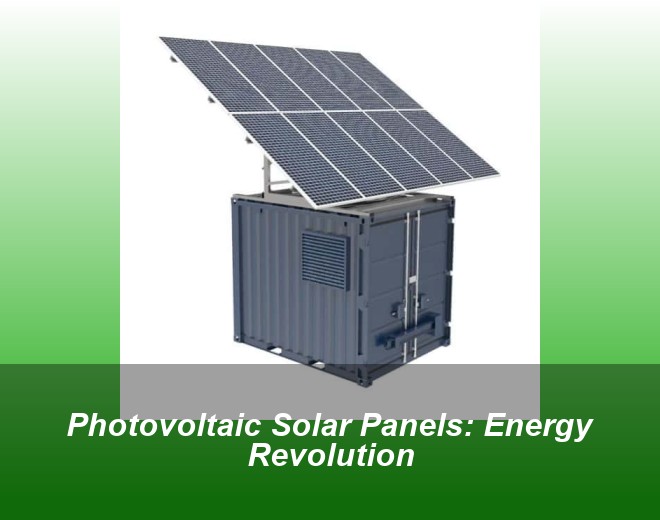
You know how plants convert sunlight into energy? Solar panels do something similar but with silicon crystals instead of chlorophyll. When photons hit the PV cells, they knock electrons loose - creating direct current electricity. An inverter then converts this to the AC power your toaster understands.
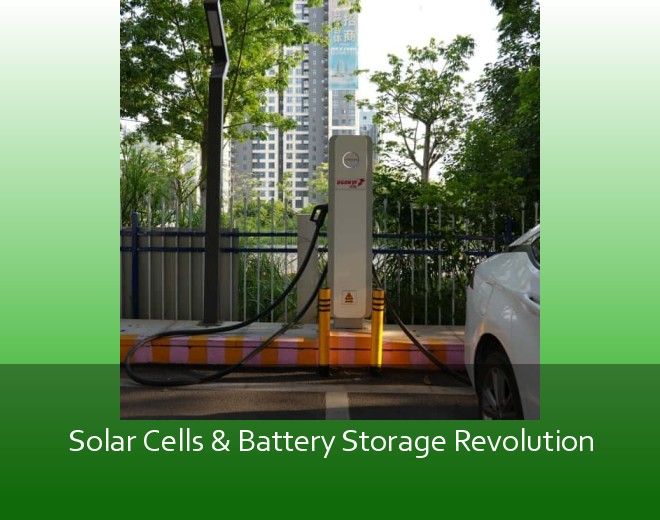
Solar Cells & Battery Storage Revolution
Did you know 13% of global electricity production gets wasted annually due to mismatched supply and demand? That's enough to power all of Africa twice over. Our energy grids are solar cell systems struggling with what engineers call the "duck curve" phenomenon - solar overproduction at noon followed by evening shortages.
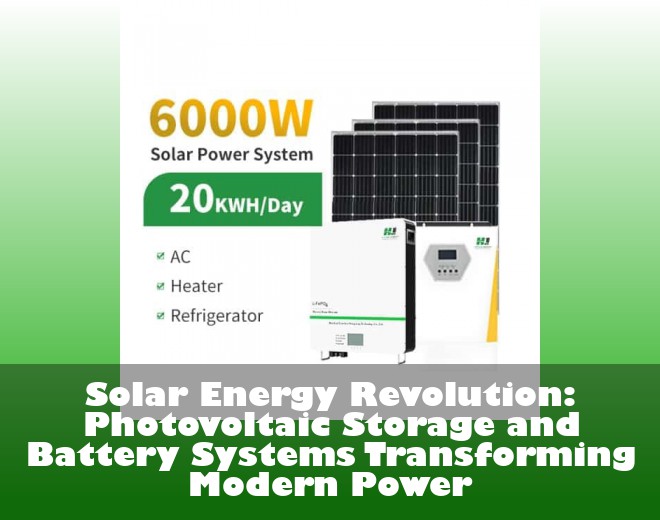
Solar Energy Revolution: Photovoltaic Storage and Battery Systems Transforming Modern Power
Last winter's Texas grid collapse left 4 million without power for 72 hours - and guess what? Utilities are still using 20th-century infrastructure to handle 21st-century energy demands. The problem isn't just aging equipment; it's a fundamental mismatch between centralized power systems and today's solar energy reality.
 Inquiry
 Online Chat