


Solar Power Revolution in Rural Electrification
Table of Contents
The Silent Crisis: Energy Poverty in Rural Areas
Did you know over 800 million people globally still lack electricity access? Most live in rural communities where extending traditional power grids often makes zero economic sense. Imagine hospitals without refrigeration for vaccines, schools where students share a single flickering bulb, or families breathing toxic kerosene fumes nightly. This isn't some 19th-century tableau - it's 2024's harsh reality in regions from Sub-Saharan Africa to Southeast Asia.
Why Solar Adoption Stumbles Off-Grid
Wait, no—solar seems like the perfect fix, right? Actually, early solar lantern campaigns revealed three critical pain points:
- Initial costs deter cash-strapped households (even $50 solar kits equal 3 months' income)
- Lack of maintenance know-how leads to abandoned systems
- Overpromised performance from cheap, substandard panels
A 2023 World Bank study found 37% of donated solar systems in East Africa became non-functional within 18 months. The culprit? Mostly corroded batteries and broken charge controllers. It's not enough to just drop technology into villages - sustainable adoption needs local capacity building.
Practical Solar Solutions That Work
Here's the breakthrough: modular solar home systems with pay-as-you-go financing. Companies like M-KOPA in Kenya achieved 92% repayment rates by letting users unlock energy via mobile micropayments. Once the system's paid off? They own it outright. This model tackles both affordability and ownership psychology.
The Storage Game-Changer
Lithium-ion batteries (yes, the same tech in your smartphone) now store solar energy at 60% lower costs than 2019. Pair these with smart meters, and you've got 24/7 power reliability even in monsoon seasons. Take Rajasthan's microgrids - 50 villages now run irrigation pumps and cold storage units on solar-stored power, boosting farm incomes by 300%.
Real-World Success Stories
In Nepal's Himalayas, solar-powered health clinics reduced maternal mortality by 40% through round-the-clock medical equipment. Meanwhile, Nigeria's "Solar Sisters" program trained 5,000 women as clean energy entrepreneurs - they've installed over 180,000 systems while earning living wages.
Beyond Basic Electricity: Solar's Ripple Effect
When night falls in a Tanzanian village with solar street lights, something magical happens. Markets stay open later. Students study safely outdoors. Mobile charging stations become community hubs connecting farmers to commodity prices. It's not just about kilowatt-hours - it's about rewriting rural development trajectories.
So, is solar the silver bullet for rural electrification? Not quite. But combined with localized business models and adaptive technology, it's lighting paths out of poverty faster than we ever imagined. The real question isn't "Can solar work?" but "How soon can we scale these solutions?" After all, every sunset brings 12 hours of untapped energy - and for millions, the countdown to empowerment has already begun.
Related Contents
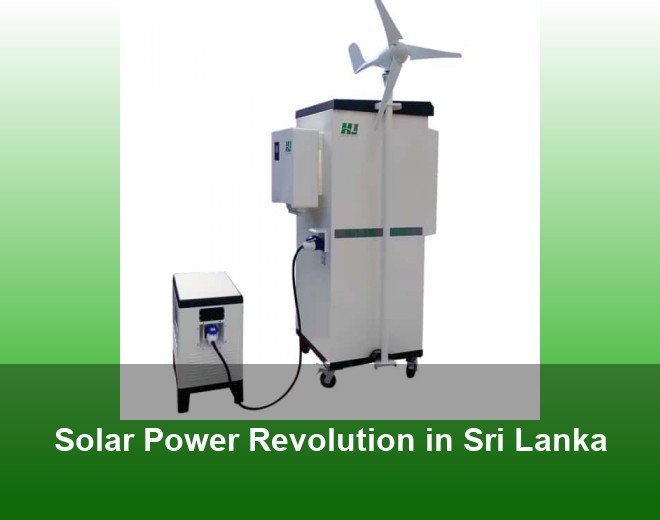
Solar Power Revolution in Sri Lanka
Let's face it – Sri Lanka's been playing energy roulette for decades. With 45% of electricity still generated from imported oil (CEB 2023 stats), every global price hike feels like a punch to the gut. Remember last year's fuel queues? That wasn't just a bad memory – it was a wake-up call.
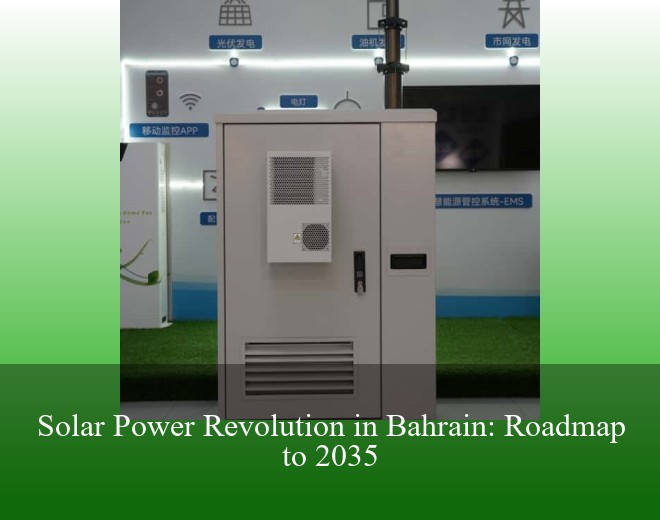
Solar Power Revolution in Bahrain: Roadmap to 2035
A nation where solar panels outnumber traditional power poles. Bahrain isn't just dreaming about renewable energy - they're installing over 8700 panels in single projects like the City Center complex . The kingdom's commitment to generate 20% of its power from solar by 2035 isn't just ambitious, it's already translating into concrete action.
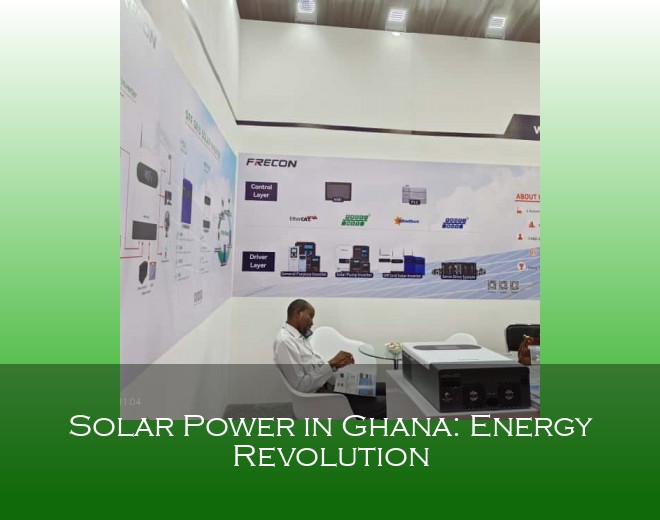
Solar Power in Ghana: Energy Revolution
With 5.5 peak sun hours daily - 35% higher than Germany's solar leader status - Ghana's solar potential remains underutilized despite abundant resources. The twist? It's not about having enough sunlight, but how we harness it effectively.
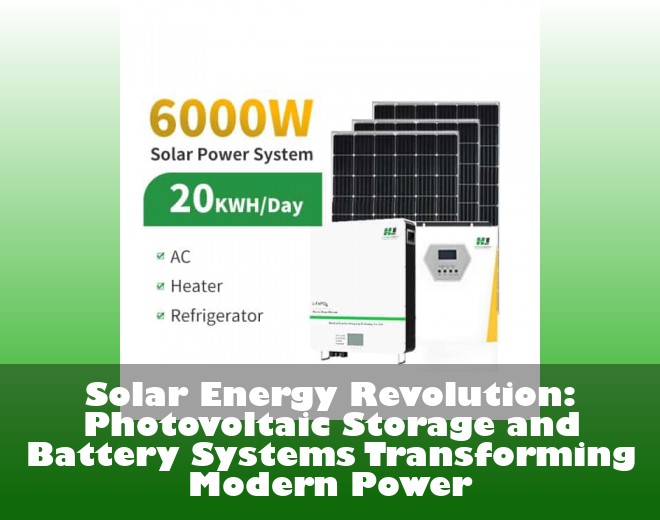
Solar Energy Revolution: Photovoltaic Storage and Battery Systems Transforming Modern Power
Last winter's Texas grid collapse left 4 million without power for 72 hours - and guess what? Utilities are still using 20th-century infrastructure to handle 21st-century energy demands. The problem isn't just aging equipment; it's a fundamental mismatch between centralized power systems and today's solar energy reality.
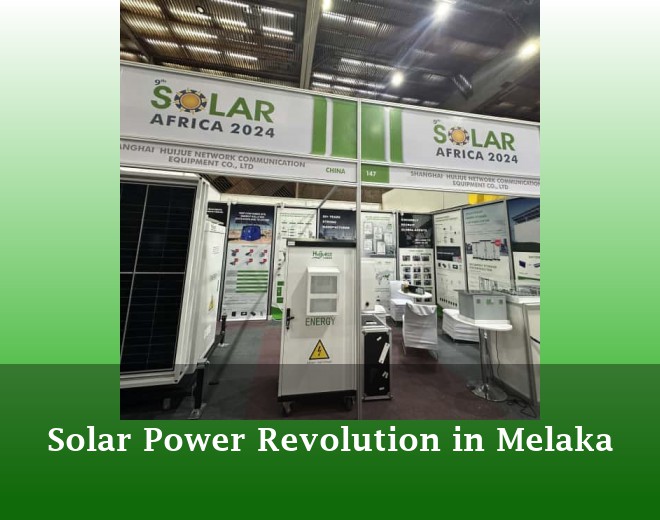
Solar Power Revolution in Melaka
You've probably noticed more solar panels popping up across Melaka's historic rooftops. But why here? Well, it's not just about sunny weather. The state's unique combination of:
 Inquiry
 Online Chat