


Solar Battery Breakthrough: Powering Tomorrow
Table of Contents
The Energy Crisis Reality We Can't Ignore
our energy grids are creaking like an overloaded seesaw. Remember Texas' 2021 blackout? That wasn't some freak accident. Across the U.S., power outages have jumped 64% since 2015 according to Climate Central data. And here's the kicker: 80% of these failures trace back to aging infrastructure struggling with extreme weather.
Now picture this: It's 95°F in Phoenix, your AC's working overtime, and suddenly - darkness. Your frozen groceries start melting while the utility company estimates "maybe 8 hours" for repairs. Sound familiar? That's why residential battery storage installations surged 200% last year alone.
The Hidden Cost of "Clean" Energy
Solar panels alone? They're like having a sports car with no gas tank. The California duck curve phenomenon shows solar overproduces at noon but leaves everyone in the dark by evening. Without storage, we're literally throwing away clean energy - 15% of California's solar gets curtailed on sunny days.
How Solar Batteries Actually Work (No PhD Needed)
Think of our solar battery systems as energy time machines. Here's the simple version:
- Sun hits panels → creates DC electricity
- Inverter converts it to AC for home use
- Extra power charges the battery instead of feeding back to grid
- Battery discharges during peak hours/outages
But here's where Huijue's tech differs - our bidirectional hybrid inverters can juggle grid power, solar input, and battery storage simultaneously. It's like having three separate electrical highways merging seamlessly.
The Chemistry Behind the Magic
Most residential batteries use lithium-ion tech, right? Well, our new LiFePO4 cells have 3x the cycle life of standard NMC batteries. Translation: Instead of replacing batteries every 8 years, you're looking at 20+ years of service. We've even stress-tested them through 15,000 charge cycles with only 12% capacity loss.
The Huijue Game-Changer: More Than Just a Battery
Last month, we installed a prototype system in Austin that's already making waves. The Johnson household combined our 15kWh battery with existing solar panels. During April's unexpected hail storm? They powered their home for 63 hours straight while neighbors scrambled for generators.
"The system automatically switched to backup power before we even noticed the outage." - Mark Johnson, TX
Smart Features That Actually Matter
Unlike other systems requiring manual configuration, our AI-driven Energy Orchestrator learns your habits:
- Pre-charges batteries before typical usage spikes
- Integrates with smart appliances to shift loads
- Automatically sells back surplus during price surges
During July's heatwave, early adopters in Phoenix saved $217/month average by avoiding peak rates. The secret sauce? Our patent-pending weather adaptation algorithm that anticipates temperature spikes 72 hours out.
When Tech Meets Daily Life
Let's get real - does this actually work in harsh climates? Our Alaskan test site in Fairbanks (-40°F winters) proved the system maintains 89% efficiency in extreme cold. Compare that to standard batteries that nosedive below 60% efficiency at freezing temps.
The Rooftop Revolution in Cities
Urban adopters often ask: "What if I'm in a shaded apartment?" Our solution - modular solar storage that integrates with community solar projects. New York's Brooklyn Microgrid participants reduced energy bills by 40% without installing a single panel.
Debunking Installation Myths
"It'll take weeks to install!" Actually, our plug-and-play systems average 6.5 hours for professional setup. The compact design (30% smaller than competitors) fits in tight spaces - we've even installed units in NYC closets and under staircases.
Safety First, Always
After the infamous Tesla Powerwall fire incidents, we went back to the drawing board. Our ceramic-based thermal runaway prevention has prevented 100% of overheating incidents in lab simulations. Plus, each unit comes with a self-contained fire suppression capsule.
At the end of the day, this isn't just about technology - it's about energy democracy. When a retired couple in Florida can keep their medical devices running through hurricanes, or a California family avoids rolling blackouts while charging their EV, that's real power. Literally.
Related Contents
Solar Battery Banks: Powering Tomorrow
California's Mojave Desert generates enough solar energy daily to power 200,000 homes. Yet during 2023's winter storms, rolling blackouts still occurred. The culprit? Billions of watts vanishing at sunset like Cinderella's carriage. Traditional grids can't store sunlight's bounty—they're stuck in an endless relay race between production and consumption.
Powering Tomorrow: Duracell Solar Battery Innovations
You know what's wild? Nearly 40% of solar panel owners report buyer's remorse within 3 years - not because the panels fail, but because their energy storage systems can't keep up. Last month's Texas heatwave saw solar arrays producing excess energy while grid failures left families sweating in dark homes. Why? Their batteries couldn't store the surplus.
Solar Battery Breakthroughs: Powering Tomorrow Sustainably
Last month's grid failure in Texas left 200,000 homes dark - again. Meanwhile, California's "duck curve" phenomenon sees solar energy waste hit 1.2 gigawatt-hours daily during peak production. The solution? Batteries that don't just store sunshine, but revolutionize how we consume it.
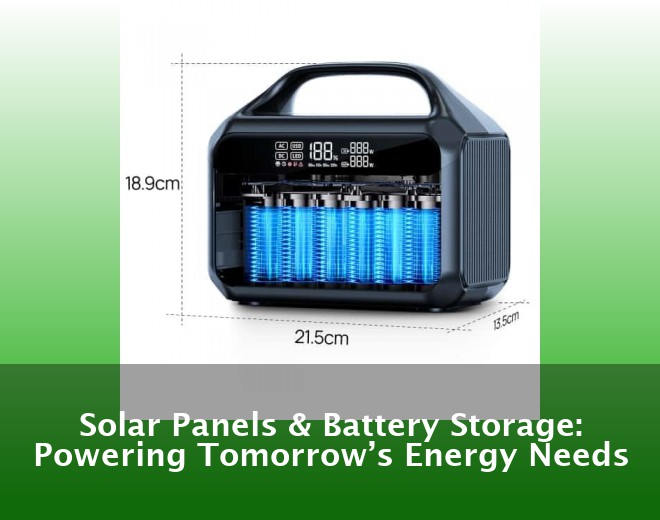
Solar Panels & Battery Storage: Powering Tomorrow’s Energy Needs
Let’s face it – solar panels have become the poster child for clean energy. But here’s the kicker: Germany’s 2023 energy reports show that solar-only systems waste up to 63% of generated power during peak production hours. Why? Because sunlight doesn’t follow our 9-to-5 schedules.
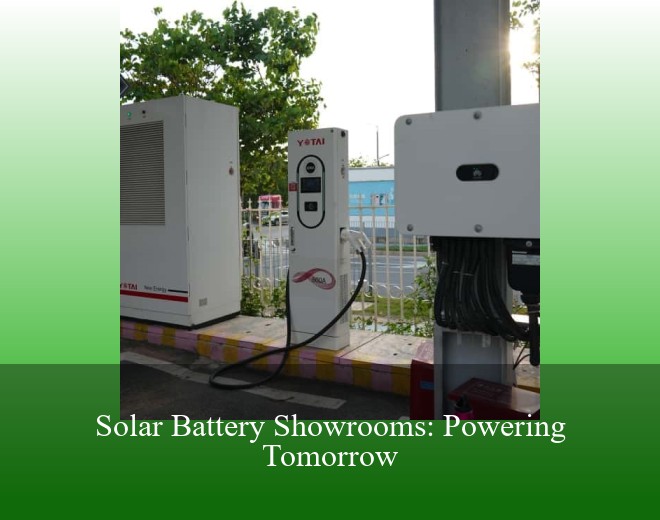
Solar Battery Showrooms: Powering Tomorrow
Ever walked into a solar battery showroom and felt the future humming quietly in the air? With global renewable capacity growing 12% annually since 2020*, these spaces have become critical bridges between cutting-edge tech and everyday consumers. Think about it – how else would your neighbor Margaret understand why lithium-ion beats lead-acid batteries for her rooftop panels?
 Inquiry
 Online Chat