


Powering Homes Beyond Fossil Fuels
Table of Contents
The Silent Energy Crisis in Modern Homes
Did you know the average American household spends $1,500 annually on electricity bills? Yet we're still grappling with frequent blackouts and environmental guilt. The truth is, our century-old power grid wasn't designed for today's energy demands from smart homes and electric vehicles.
Last winter's Texas grid collapse left millions freezing in the dark - a stark reminder of centralized systems' fragility. But here's the kicker: modern homes can achieve 80% energy independence through smart integration of alternative sources. The technology exists; we just need to connect the dots.
The Cost of Complacency
Utility rates have jumped 15% since 2022, outpacing inflation by 300%. Meanwhile, solar panel costs dropped 70% in the past decade. This inverse relationship creates a perfect storm for homeowners ready to break free from traditional energy sources.
Solar Power: Your Personal Energy Factory
Your rooftop silently converting sunlight into power 24/7. Modern photovoltaic systems achieve 22% efficiency compared to 15% a decade ago. The Johnson family in Arizona eliminated their electric bill using solar panels combined with smart load scheduling.
Key advancements driving solar adoption:
- Thin-film panels blending into roofing materials
- AI-powered cleaning robots maintaining peak efficiency
- Integrated solar windows generating 100W/m²
Harnessing Breezes: Residential Wind Solutions
While not for every backyard, modern vertical-axis turbines can generate meaningful power even in suburban settings. The Helix 5X model produces 3,000 kWh annually at 12mph average winds - enough to power a heat pump water heater.
But wait, isn't wind power noisy? New blade designs operate at 35 decibels - quieter than a refrigerator hum. Coastal homes particularly benefit from predictable sea breezes, creating perfect conditions for hybrid energy systems combining solar and wind.
Earth's Hidden Warmth: Geothermal Systems
Four feet below your lawn, temperatures remain constant year-round. Geothermal heat pumps leverage this stability to achieve 400% heating efficiency compared to 98% for gas furnaces. The upfront cost stings ($15,000-$25,000), but federal tax credits slash this by 30%.
Groundbreaking drilling techniques now install loops in a single day versus the week-long process from 2010. When paired with solar, geothermal creates a self-sufficient climate control system immune to fuel price swings.
Energy Storage: The Missing Puzzle Piece
Here's the rub: alternative energy peaks rarely match consumption patterns. Lithium-ion batteries solve this with 90% round-trip efficiency, but emerging alternatives like iron-air batteries promise safer, cheaper storage. The Tesla Powerwall 3 stores 13.5kWh - enough to run critical loads through multi-day outages.
Smart inverters now automatically sell surplus power during peak rates, turning batteries into revenue generators. California's Self-Generation Incentive Program pays homeowners $200/kWh for installed storage capacity - a clear signal of storage's pivotal role.
Hybrid Systems in Action
The Chen residence in Colorado combines 8kW solar, 2 small wind turbines, and 40kWh battery storage. Their system provides 92% energy independence while earning $1,200 annually from grid services. "It's like having a miniature power plant," Mrs. Chen remarked, "that actually pays us instead of the other way around."
As we navigate this energy transition, one truth emerges: home energy systems are becoming living ecosystems rather than passive consumers. The technology exists; the economics make sense; the only question is - when will your home join the revolution?
Related Contents
Interior Solar Systems: Powering Homes Beyond Sunlight
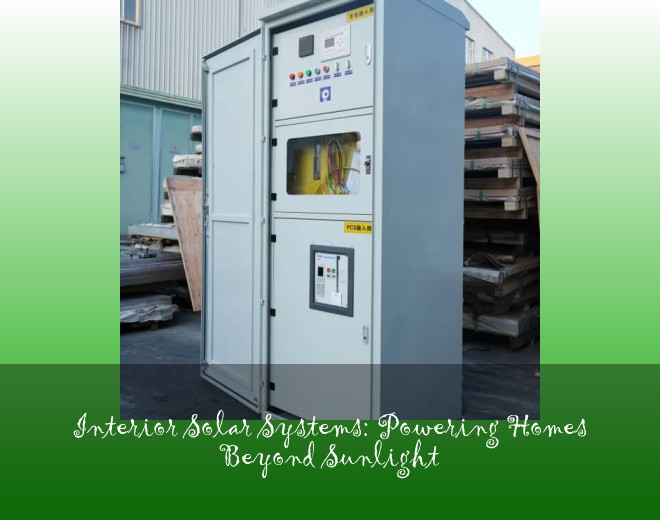
You've probably seen rooftop panels glinting in the sun, but what about the indoor solar revolution quietly reshaping homes? Last month's Solar Storage Live London revealed a shocking trend: 43% of new UK smart homes now integrate some form of interior energy harvesting. Why? Because sunlight doesn't stop at your windowsill.
Solar Cell Innovations: Powering Homes and Beyond
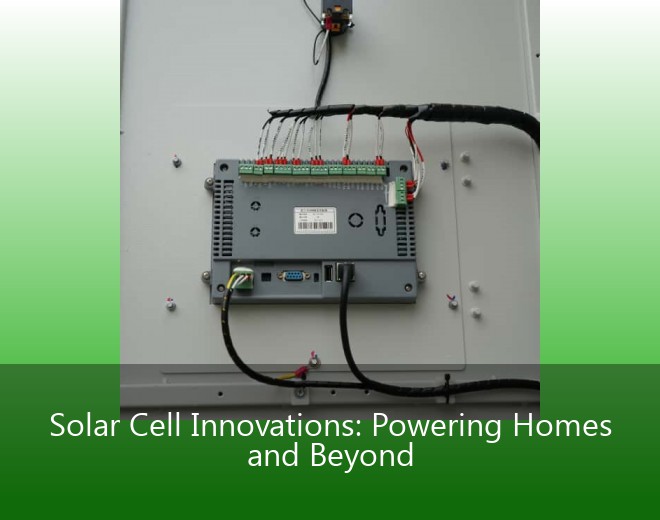
You know, climate change isn't some distant threat anymore. Just last month, Dubai recorded its highest March temperature in 75 years - 47.8°C! This urgency explains why solar cell installations surged 38% globally in 2024 compared to pre-pandemic levels. But here's the kicker: modern photovoltaic systems can now power entire neighborhoods, not just calculators.
5000W Solar Kit: Powering Homes and Beyond
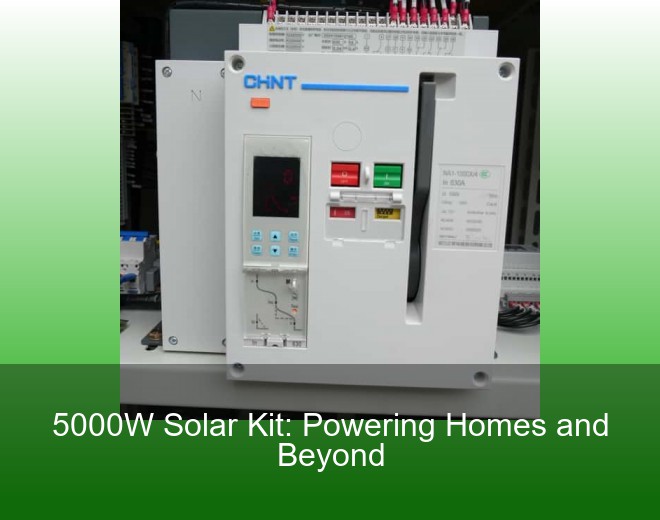
Ever wondered how a mid-sized solar power system could slash your energy bills by 60%? With electricity prices soaring globally, the 5000W photovoltaic storage solution has become the Goldilocks choice for households – not too big, not too small, but just right. Recent data shows residential solar installations grew 27% year-over-year in Q1 2025, driven by smarter system sizing and better battery tech.
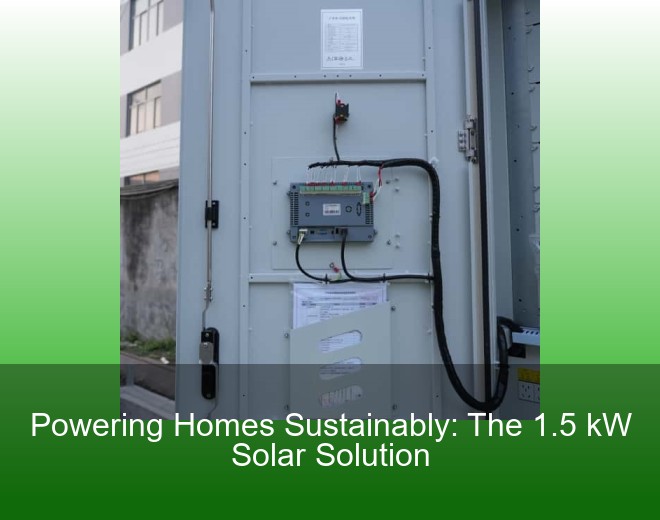
Powering Homes Sustainably: The 1.5 kW Solar Solution
Ever stared at your electricity bill wondering where it all went? You're not alone. The average U.S. household spends $1,652 annually on energy – that's roughly 2.3% of median income evaporating into thin air. But here's the kicker: we're still relying on century-old grid technology while our gadgets multiply like rabbits.
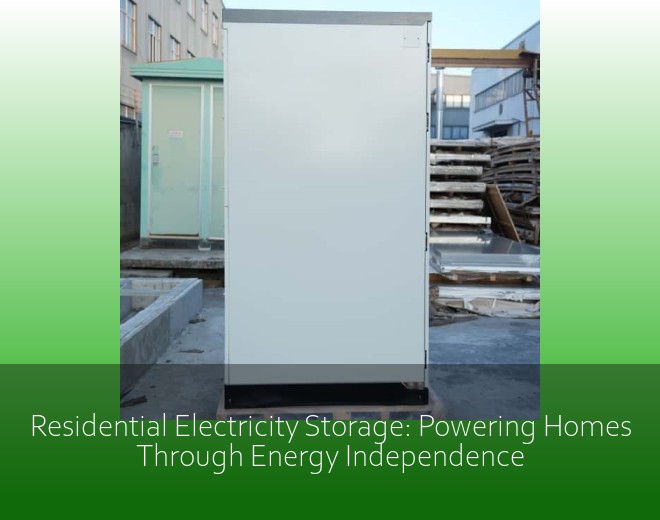
Residential Electricity Storage: Powering Homes Through Energy Independence
Last February, when Texas experienced its worst ice storm since 2021, Martha Rodriguez's solar-powered home in Austin kept lights on while her neighbors shivered in darkness. Her secret? A residential battery system that stored sunshine for cloudy days. This isn't just disaster prep – it's part of a global shift where 42% of new solar installations now include storage worldwide.
 Inquiry
 Online Chat