


Renewable Energy Integration: Challenges and Smart Solutions
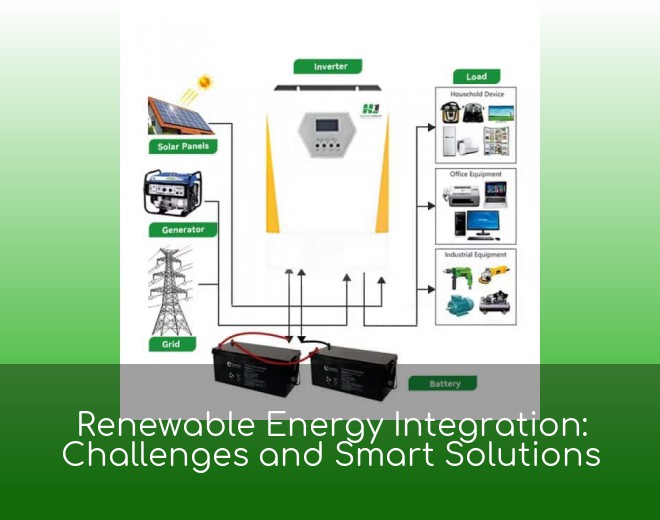
Table of Contents
The Current State of Renewable Adoption
we've all seen those dramatic graphs showing renewable energy capacity soaring while fossil fuels plateau. China alone added 172 million kW of renewable capacity in the first three quarters of 2023, accounting for 76% of all new power installations nationwide. But here's the kicker: installed capacity doesn't always translate to actual electricity delivered.
Why the disconnect? Imagine a wind farm producing peak power at 2 AM when demand hits its nightly low. Without proper integration, those turbines might as well be modern art installations. The real challenge lies not in building more solar panels, but in making every harvested electron count.
The Invisible Wall: Technical Hurdles in Grid Integration
Traditional power grids were designed for predictable coal plants, not the variable output of solar arrays and wind farms. Voltage fluctuations caused by cloud cover can trip protection systems designed for steady flows. In 2022, California's grid operator reported 12% curtailment of renewable generation - enough to power 1.4 million homes.
But how do we store solar power when the sun isn't shining? Enter battery innovations:
- Flow batteries using iron-based electrolytes (40% cheaper than vanadium systems)
- Thermal storage in molten salt (up to 15 hours of dispatchable power)
- Hydrogen fuel cells paired with offshore wind
When Batteries Meet Big Data: Breakthrough Storage Solutions
Remember the 2023 Texas heatwave? A 100MW/400MWh battery farm in Houston autonomously discharged during peak demand, preventing rolling blackouts. This wasn't luck - it was AI predicting load patterns 72 hours in advance.
Virtual power plants (VPPs) are changing the game. In Germany, 23,000 household batteries now function as a coordinated 250MW plant. Participants earn €235/year while stabilizing the grid. It's like Uber pooling for electrons.
Global Success Stories: From Policy to Practice
Chile's Atacama Desert shows what's possible. Their 764MW Cerro Dominador complex combines concentrated solar power with lithium storage, delivering baseload-equivalent renewable energy. The secret sauce? A hybrid design that uses:
- Solar PV for daytime peak
- Molten salt storage for evening demand
- Backup biomass generators (using agricultural waste)
Meanwhile, California's Duck Curve problem has spawned creative solutions. Their new grid flexibility market pays consumers to shift laundry loads to sunny afternoon hours. It's demand-side management meets behavioral economics.
The Social Shift Behind Megawatts
Here's something they don't teach in engineering school - renewable adoption isn't just about technology. When a Minnesota community solar garden reduced participants' bills by 15%, enrollment jumped 300%. People care when solutions hit their wallet and values simultaneously.
Youth-led initiatives are pushing the envelope. The #SolarSchools movement has installed panels on 1,200 U.S. campuses since 2022. Students monitor output via classroom dashboards, turning energy systems into living labs.
As we navigate this transition, remember: every kilowatt-hour from renewables makes fossil alternatives slightly more obsolete. The finish line? When "clean energy" simply becomes "energy".
Related Contents
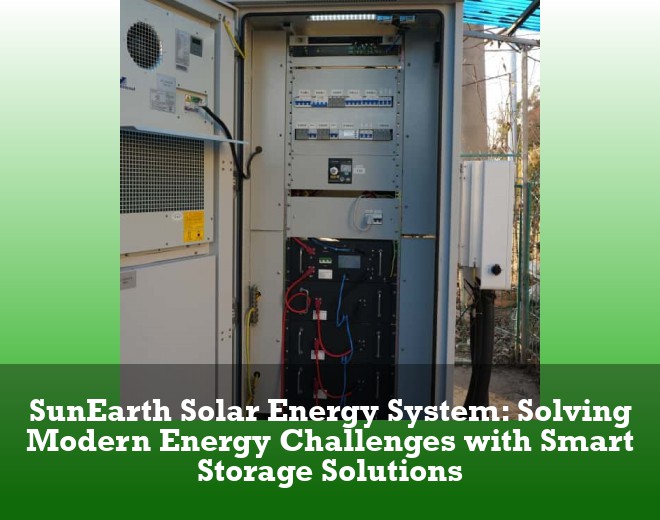
SunEarth Solar Energy System: Solving Modern Energy Challenges with Smart Storage Solutions
solar energy systems have become almost mainstream, but why aren't more households adopting them despite clear environmental benefits? The answer lies in three persistent pain points:
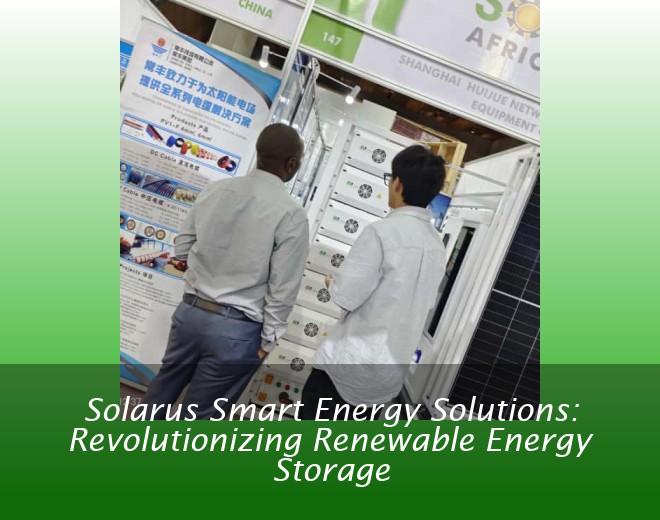
Solarus Smart Energy Solutions: Revolutionizing Renewable Energy Storage
Ever wondered why renewable energy hasn't completely replaced fossil fuels despite decades of development? The answer lies in what experts call the "sunset paradox" - solar panels stop generating when we need electricity most. In 2025, global energy storage capacity must increase by 300% to meet net-zero targets, yet current solutions barely scratch the surface.
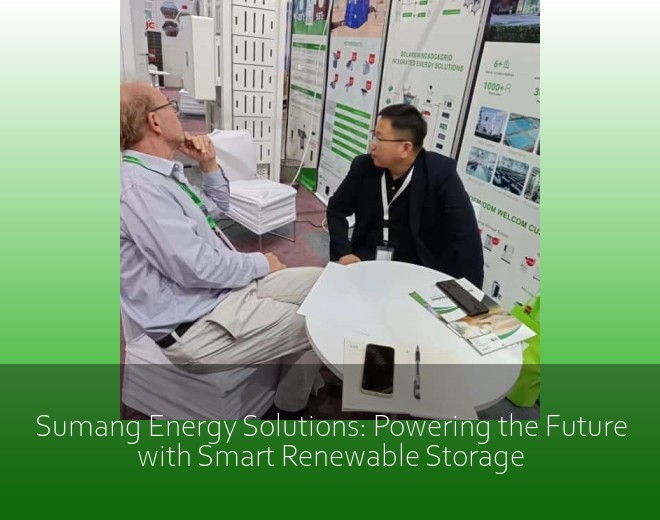
Sumang Energy Solutions: Powering the Future with Smart Renewable Storage
You know that feeling when your phone battery hits 5%? Now imagine that anxiety multiplied across entire cities. In 2025, global electricity demand is projected to surge by 18% compared to pre-pandemic levels, yet our grid infrastructure remains stuck in analog mode. Traditional energy solutions aren't just failing - they're actively worsening climate instability through continued fossil fuel dependence.
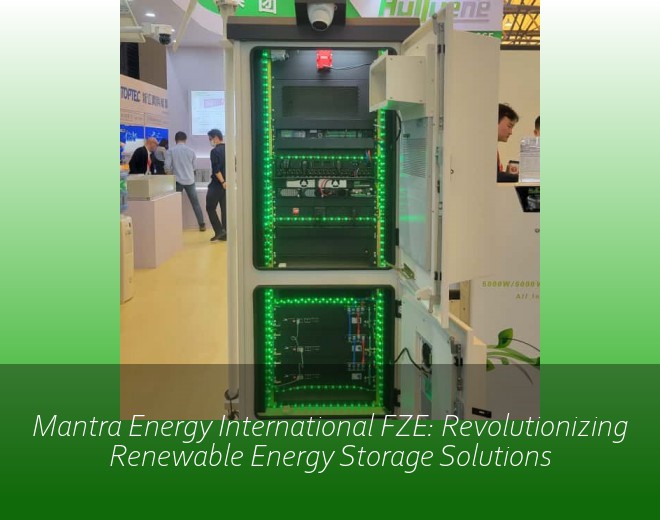
Mantra Energy International FZE: Revolutionizing Renewable Energy Storage Solutions
Why is energy storage such a critical piece of the renewable energy puzzle? Well, consider this: The International Energy Agency reports that global renewable capacity grew by 50% in 2023 alone, but nearly 18% of this generated power gets wasted due to inadequate storage solutions. That's enough electricity to power entire countries like Argentina for a year!
Smart Renewable Energy: Solving Modern Power Challenges
traditional power grids weren't designed for renewable energy's unpredictability. Solar panels go quiet at night, wind turbines stall in calm weather, and suddenly, you've got hospitals running on diesel generators. Sound familiar? This intermittency issue causes more headaches than a caffeine-deprived engineer during monsoon season.
 Inquiry
 Online Chat