


Solar Batteries in Malawi: Powering Progress Amid Hidden Risks
Table of Contents
Malawi's Clean Energy Leap
You’ve probably heard how solar batteries are transforming energy access across Africa. In Malawi, where only 12% of the population connects to the national grid, these systems provide vital electricity for lighting, mobile charging, and medical refrigeration. But here's the kicker: while solar panels get all the glory, the real workhorse—the battery—is quietly causing an environmental disaster.
Take Mrs. Banda from Lilongwe. Her family upgraded to a solar home system last year, thrilled to finally charge phones and run a small fridge. "We felt modern," she says. But when their lead-acid battery failed after 14 months, the local repair shop simply cracked it open with a machete, spilling toxic sludge near her vegetable garden.
The Storage Boom by Numbers
- 83% of Malawi's solar systems use lead-acid batteries
- Average battery lifespan: 12-18 months (vs 3-5 years in regulated markets)
- 4.1 kg of lead leaked per recycled battery
When Clean Tech Gets Dirty
That "green" solar system on your roof? Its environmental credentials live and die by the battery. In Malawi, lead-acid batteries account for 94% of solar storage due to their low upfront cost. But here's the rub: improper recycling releases enough lead from one battery to contaminate 5 cubic meters of soil permanently.
Researchers found lead levels near informal recycling sites exceeding WHO limits by 300×. Children in these areas show blood lead concentrations averaging 18 μg/dL—triple the threshold for clinical intervention. "We're trading energy poverty for neurological damage," warns Dr. Mwale from Queen Elizabeth Central Hospital.
The Recycling Paradox
Why do 89% of Malawians discard batteries through unregulated channels? Let's break it down:
- Economic Incentives: Informal recyclers pay $2-3 per battery vs $0.5 at licensed centers
- Access Barriers: Only 3 formal recycling plants exist nationwide
- Knowledge Gaps: 62% of users don't know batteries contain toxic materials
a teenage recycler named Chikondi. He melts battery plates over a charcoal fire, breathing lead fumes to earn $5 daily—enough for school fees. His story embodies Malawi's painful trade-off between immediate survival and long-term health.
Turning the Toxic Tide
But wait—it's not all doom and gloom. Innovative solutions are emerging:
1. Battery-as-a-Service Models
Companies like Zuwa Energy now lease lithium-ion batteries with GPS tracking. Users pay monthly fees covering eventual recycling. Early trials show 73% lower lead pollution in pilot zones.
2. Micro-Recycling Hubs
A partnership between UNEP and local women's groups trains communities to safely dismantle batteries using $80 toolkits. Collected lead gets stabilized in concrete for road construction.
"We're not asking Malawi to reinvent the wheel—just to learn from Zambia's successful battery deposit scheme." — Dr. Chris Kinally, Manchester University
The Road Ahead: Power vs Protection
Malawi stands at a crossroads. The same sun that powers 280,000 solar systems could bake toxic lead deeper into the soil. But imagine if...
...every solar installer became responsible for battery take-back. Or if mobile money platforms integrated eco-deposits into energy payments. The pieces exist—they just need connecting.
As international donors pledge $12 million for cleaner energy storage, one truth becomes clear: sustainable solar requires treating batteries not as disposable gadgets, but as the environmental time bombs they truly are. The energy revolution continues, but its success now hinges on tackling this hidden crisis under Malawi's blazing sun.
Related Contents
Solar Batteries in Zambia: Powering Progress
You've probably seen those viral videos - families in Lusaka studying under streetlights, clinics rationing vaccine refrigeration. Solar batteries aren't just about clean energy here; they're becoming lifelines. While 60% of urban Zambians face daily blackouts, rural areas fare worse - 85% lack grid access entirely.
Solar Batteries in South Africa: Powering Resilience Amid Energy Challenges
Let's face it—South Africans know rolling blackouts better than they know braai recipes. In 2023 alone, Eskom implemented over 280 days of load-shedding, crippling businesses and leaving households scrambling for candles. But here's the kicker: solar batteries South Africa adoption surged by 217% during this period, according to latest industry reports. Why? Because when the grid fails, sunlight remains democratic.
Narada Solar Batteries: Powering South Africa's Future
Let's face it – load-shedding has become South Africa's unwanted national pastime. With over 1,000 hours of blackouts in 2024 alone, households and businesses are desperately seeking alternatives. Enter Narada solar batteries, emerging as game-changers in this energy crisis.
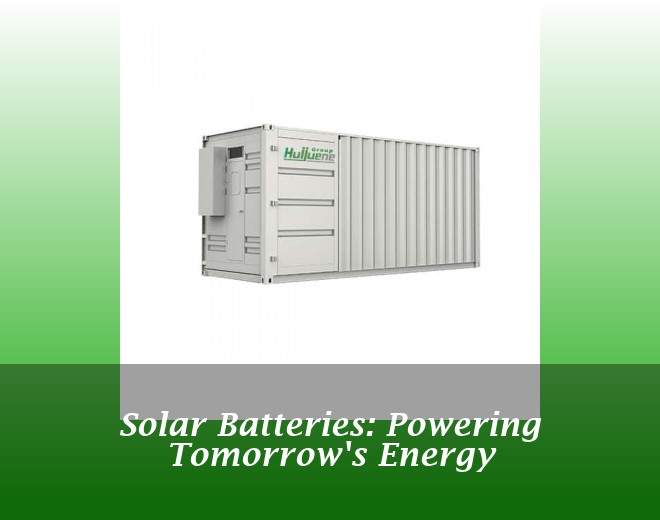
Solar Batteries: Powering Tomorrow's Energy
Let's face it—solar panels alone aren't enough. You know that frustrating feeling when clouds roll in and your energy production drops? A 2023 study revealed 68% of solar adopters experience "range anxiety" similar to EV owners. But here's the kicker: The U.S. wasted enough potential solar energy last year to power Germany for six months. Why? Because we're missing the critical piece: storage solutions.
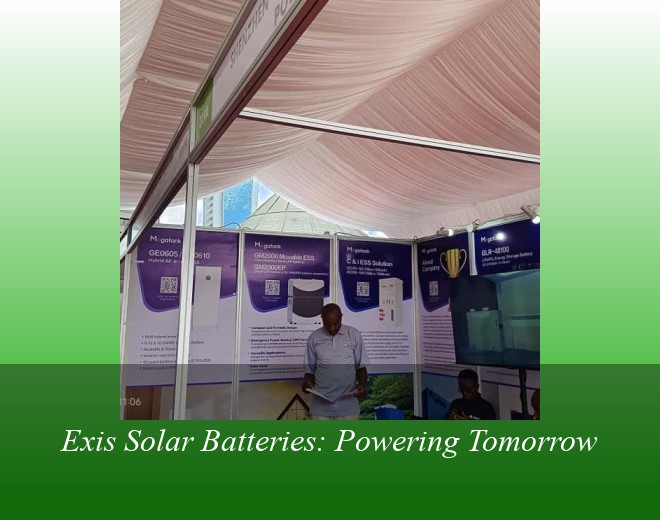
Exis Solar Batteries: Powering Tomorrow
You know how every superhero story needs that one weakness? Well, solar energy's been struggling with its kryptonite - intermittent power supply. While solar panels work great when the sun's shining, what happens during cloudy days or nighttime? That's where Exis solar batteries come into play, sort of like a energy safety net.
 Inquiry
 Online Chat