


Solar Power Tower Systems: The Future of Renewable Energy
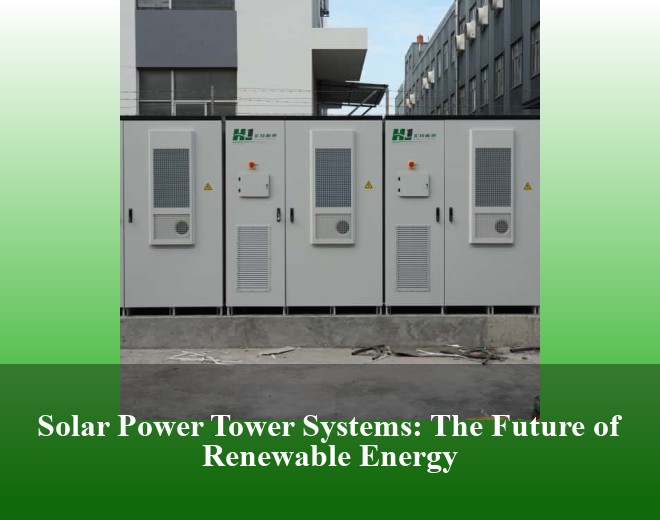
Table of Contents
How Solar Power Towers Work: Harnessing Concentrated Sunlight
Imagine thousands of mirrors focusing sunlight onto a single point, generating heat intense enough to power entire cities. That’s the essence of a solar power tower system. Unlike traditional photovoltaic panels, these systems use heliostats—computer-controlled mirrors—to concentrate sunlight onto a receiver atop a central tower. The absorbed heat, often exceeding 500°C, drives steam turbines or stores thermal energy for later use. But how does this differ from other concentrated solar power (CSP) methods? Well, the tower’s height allows for higher efficiency and scalability, making it ideal for utility-scale projects.
Why Solar Towers Outshine Conventional Solutions
You’ve probably heard the argument: “Solar can’t provide baseload power.” Solar power towers challenge that notion. Their integrated thermal storage systems—often using molten salts—allow electricity generation even after sunset. For instance, the Crescent Dunes project in Nevada delivers 110 MW of power for 10 hours without sunlight. Here’s the kicker: these systems achieve up to 40% efficiency, nearly double that of standard PV farms. And let’s not forget their lower environmental footprint—no rare-earth metals, just steel, glass, and salt.
Overcoming the Hurdles: Cost, Land, and Public Perception
Now, you might be thinking: “If it’s so great, why isn’t everyone using it?” The upfront costs are steep—building a 100 MW tower system requires ~$1 billion. Land usage is another concern: the Ivanpah Solar Facility in California spans 3,500 acres. But wait, here’s the twist: dual-use land concepts are emerging. Farmers in Morocco’s Noor Ouarzazate complex grow crops between heliostat fields, proving agriculture and energy can coexist. Public resistance? Transparent community engagement and hybrid designs (like combining PV panels with CSP) are smoothing the path.
The Storage Game-Changer: Molten Salts and Beyond
What makes thermal energy storage in these systems revolutionary? Unlike lithium-ion batteries (which dominate PV storage), molten salts retain heat for days with minimal loss. Recent innovations include particle-based systems—like those tested at Sandia Labs—that reach 800°C and cut storage costs by 40%. But here’s the real plot twist: some projects now integrate hydrogen production during off-peak hours, turning excess heat into a zero-emission fuel.
Global Momentum: From Dubai to Australia
Let’s talk numbers. Dubai’s Mohammed bin Rashid Al Maktoum Solar Park—already home to a 700 MW CSP tower—aims for 5 GW by 2030 . Meanwhile, Australia’s Aurora Solar Energy Project powers 90,000 homes using salt storage. And in Chile’s Atacama Desert, a 450 MW tower system leverages the world’s highest solar irradiance. These aren’t just projects; they’re blueprints for a post-fossil-fuel era.
The Road Ahead: Hybrid Systems and AI Optimization
Where’s this headed? Hybrid setups combining PV, CSP, and wind are gaining traction. For example, Spain’s Gemasolar plant uses AI to predict cloud patterns, adjusting heliostats in real time. And get this: next-gen towers might use supercritical CO2 turbines, boosting efficiency to 50%. With global CSP capacity projected to hit 25 GW by 2030, the solar power tower isn’t just an alternative—it’s becoming the backbone of resilient grids.
Related Contents
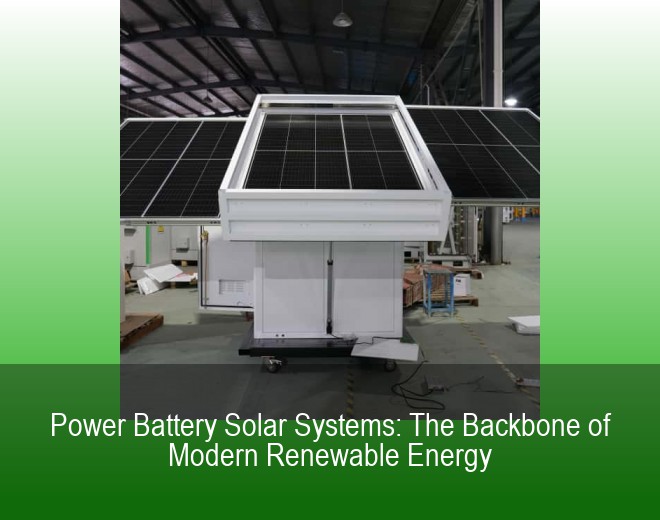
Power Battery Solar Systems: The Backbone of Modern Renewable Energy
You've probably heard the solar power success stories - panels getting cheaper, installations breaking records. But here's the million-dollar question: How do we keep the lights on when the sun isn't cooperating? Last winter's Texas freeze exposed the Achilles' heel of renewable systems: energy storage gaps that left millions shivering in the dark.
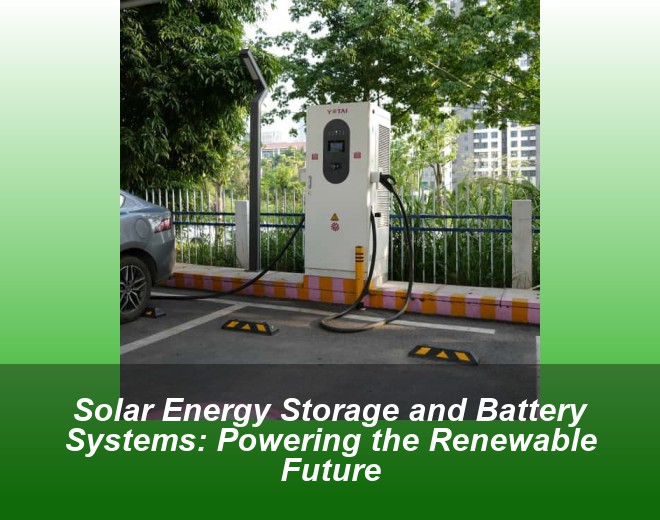
Solar Energy Storage and Battery Systems: Powering the Renewable Future
You know how people keep talking about solar energy storage like it's some futuristic concept? Well, it's already keeping lights on in California during blackouts and powering entire villages in sub-Saharan Africa. The global energy storage market grew 89% year-over-year in 2023, reaching $45 billion - but here's the kicker: we're still only using about 12% of our existing renewable generation capacity effectively.
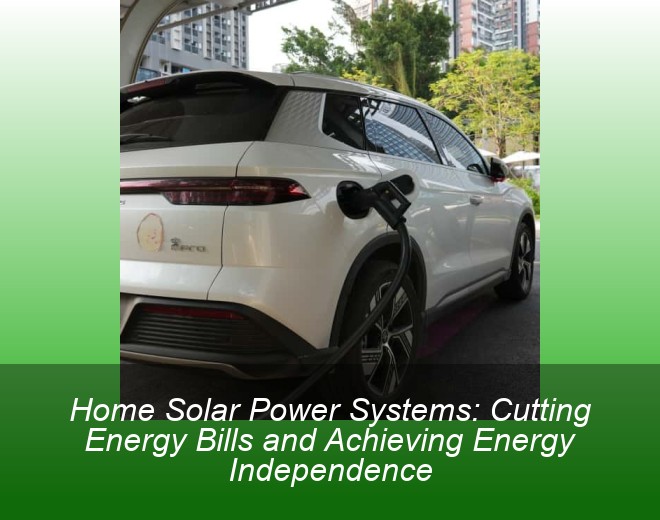
Home Solar Power Systems: Cutting Energy Bills and Achieving Energy Independence
Ever opened your electricity bill and felt that sinking sensation? You're not alone. U.S. households saw average electricity prices jump 5.3% last quarter alone. But here's the kicker - while utility rates keep climbing, solar panel costs have dropped 62% since 2010. That's why over 3 million American homes have already made the switch to photovoltaic systems.
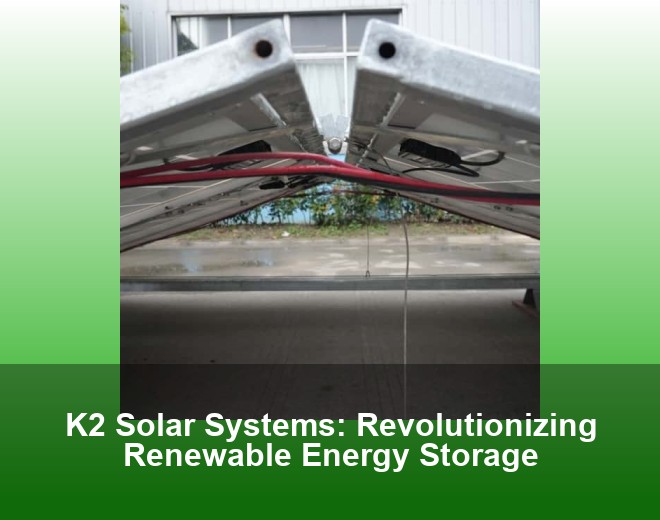
K2 Solar Systems: Revolutionizing Renewable Energy Storage
You've probably heard the numbers - global solar capacity grew 23% last year alone. But here's the kicker: intermittency issues still cause 18% of potential solar energy to go unused. That's like planting an apple orchard and letting the fruit rot because you lack baskets.
Solar Power Storage Solutions: Revolutionizing Renewable Energy
Ever wondered why solar panels sometimes feel like that friend who's great company but terrible at keeping promises? You know, those cloudy days when your rooftop array generates barely enough power to run a desk lamp. This intermittency issue - the Achilles' heel of renewable energy - costs the global economy an estimated $200 billion annually in lost productivity and backup fuel costs.
 Inquiry
 Online Chat