


Industrial Solar Panels: Powering Factories with Sunlight

Table of Contents
The Energy Crisis in Heavy Industries
Manufacturing plants consume 32% of global electricity - that's equivalent to powering 1.2 billion homes annually. Energy-intensive industries like steel production and chemical manufacturing face a perfect storm: rising utility costs, environmental regulations, and shareholder pressure to decarbonize.
Here's the kicker: traditional solar solutions designed for residential rooftops simply can't handle factory-scale demands. Standard panels might work for your neighbor's Tesla charging, but they're like bringing a water pistol to fight a warehouse fire when applied to industrial settings.
Solar Technology Breakthroughs for Factories
Modern industrial-grade photovoltaic systems now achieve 22-24% efficiency - nearly double the performance of 2015 models. The secret sauce? Three key advancements:
- Bifacial panels capturing reflected sunlight from factory roofs
- Robotic cleaning systems maintaining peak performance
- Smart inverters balancing three-phase industrial loads
Take the new PERC (Passivated Emitter Rear Cell) technology. These panels generate power earlier in the morning and later in the afternoon - crucial for factories running 24/7 shifts. When BMW retrofitted its Leipzig plant with PERC panels, they squeezed 18% more daily energy from the same roof space.
Case Studies: Factories Going Solar
Let's cut through the hype with real numbers. A Texas oil refinery installed 62 acres of solar panels last quarter. The results?
| Energy Cost Reduction | 34% |
| Maintenance Savings | $220k/year |
| CO2 Reduction | Equivalent to 4,200 cars |
But what about cloudy regions? A German auto plant's hybrid approach combines solar with on-site hydrogen storage. On sunny days, excess energy splits water molecules. At night, hydrogen fuel cells kick in - maintaining 92% operational uptime year-round.
When Sun Meets Storage: The Battery Equation
Here's where most factories stumble - assuming solar works like a regular power plant. The truth? Effective industrial solar requires smart energy storage. Lithium-ion systems now discharge at 95% efficiency, with cycle lives exceeding 6,000 charges.
Consider this: A single 40-foot container packed with Tesla Megapacks can store enough solar energy to run an entire bottling line for 18 hours. When paired with predictive AI that forecasts both production schedules and weather patterns, factories achieve true energy independence.
Making Solar Work on Factory Floors
Retrofitting industrial facilities isn't like slapping panels on a Walmart roof. Challenges include:
- Structural load limits of aging factory roofs
- Minimizing production downtime during installation
- Integrating with existing power infrastructure
Innovative solutions are emerging. SolarSkin technology now mimics factory roof materials while generating power - maintaining architectural integrity. Drone-based thermal mapping identifies optimal panel placement without shutting down production.
The bottom line? Industrial solar has moved past the "greenwashing" phase. With payback periods now under 5 years for most manufacturing sectors, photovoltaic systems are becoming as essential to factories as assembly lines. The question isn't whether to adopt solar, but how quickly operations can transition without missing a production beat.
Related Contents
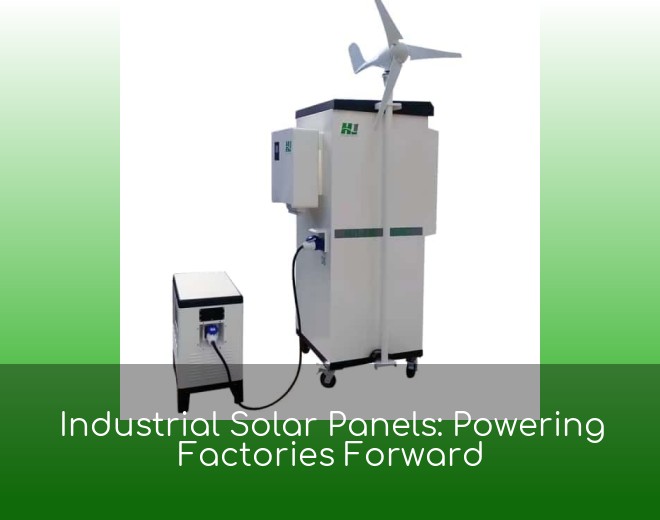
Industrial Solar Panels: Powering Factories Forward
Manufacturers worldwide spent a staggering $2.8 trillion on energy last year - equivalent to Brazil's entire GDP. The International Energy Agency reports industrial electricity prices have jumped 78% since 2020. "We're seeing factories choose between keeping lights on or workers employed," says MIT's Dr. Elena Torres, whose team tracks energy-intensive industries.
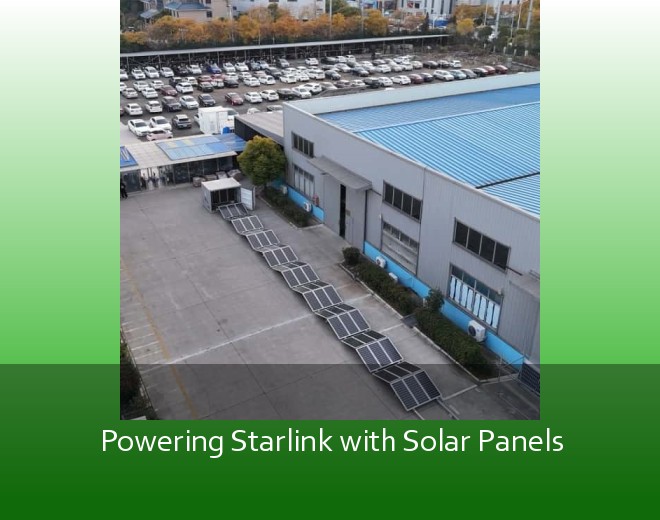
Powering Starlink with Solar Panels
Let's cut through the hype: Your Starlink dish guzzles more power than three refrigerators combined. While Elon Musk's satellite marvel delivers blazing speeds in remote areas, its 100-150W continuous draw creates an energy paradox. How's that sustainable when 1.4 billion people lack reliable electricity?
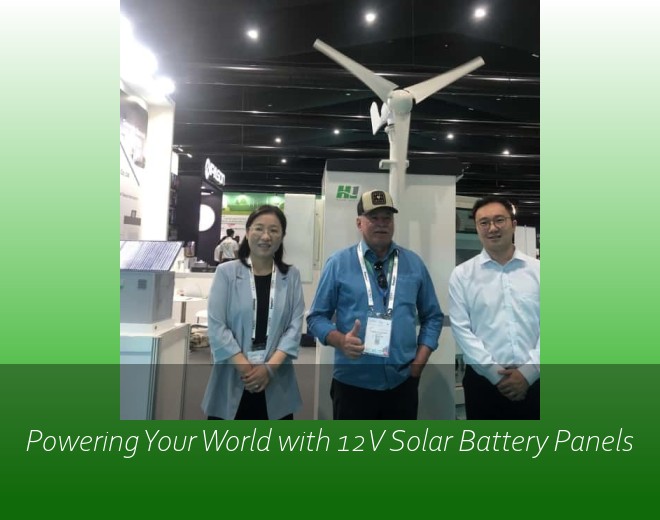
Powering Your World with 12V Solar Battery Panels
Ever tried charging your phone during a blackout using car jumper cables? That's kinda what happens when people mismatch solar components. The 12V solar battery system has become the Swiss Army knife of renewable energy - compact, versatile, and surprisingly powerful. But why does this particular voltage dominate RVs, boats, and backyard sheds?
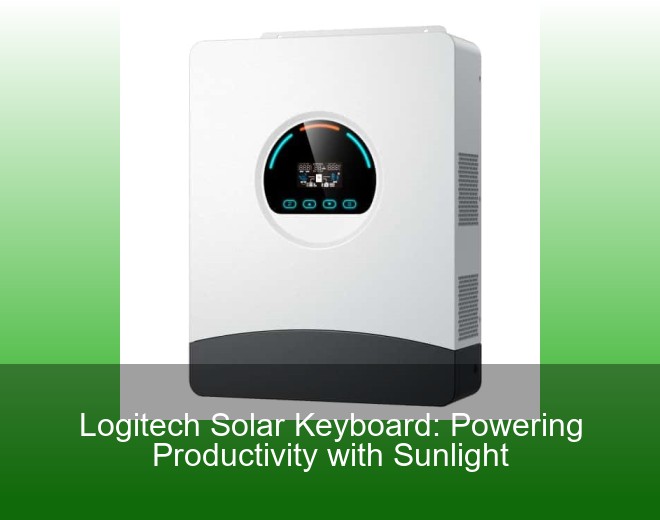
Logitech Solar Keyboard: Powering Productivity with Sunlight
Ever calculated how many AA batteries your home office consumes annually? For the average remote worker using wireless peripherals, it's typically 18-24 batteries yearly - enough to power a small village in the 1990s. This environmental cost forms the silent backdrop to Logitech's solar innovation.
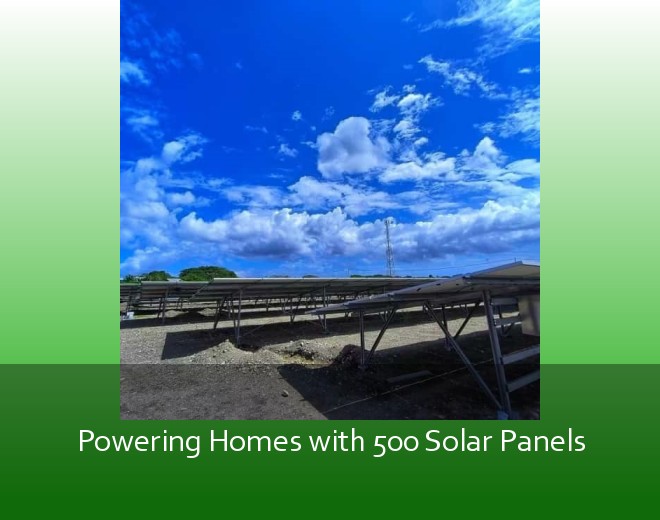
Powering Homes with 500 Solar Panels
You know what's funny? Most homeowners think 20 panels will solve all their energy needs. But when we're talking commercial-scale 500-panel arrays, the game changes completely. Let's crunch some numbers: A typical 500-module system generates about 250 kW - enough to power 40 average American homes. But wait, no...that's assuming perfect conditions, right?
 Inquiry
 Online Chat