


Solar Inverters in Nigeria: Powering Progress
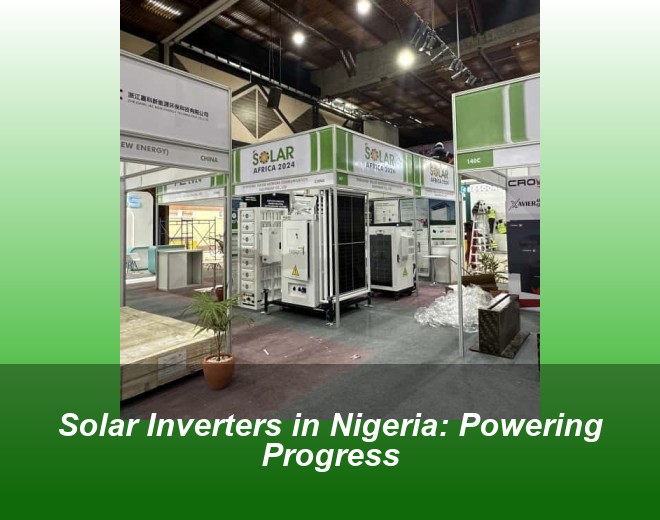
Table of Contents
Nigeria's Energy Crisis: Why Solar Inverters Matter
It's 8 PM in Lagos, and solar inverters suddenly become the most valuable appliances in town. Why? Because Nigeria's national grid has collapsed for the third time this month - a recurring nightmare affecting 2.2 million households according to 2025 Rural Electrification Agency reports.
The numbers don't lie: • 140 grid failures in 10 years • 20,000 communities without grid access • $29 billion annual economic losses from outages
But here's the twist - while diesel generators once dominated backup power solutions, solar hybrid systems with energy storage systems now lead residential and commercial adoption. The reason? Pure economics. A typical 5kVA diesel generator costs ₦18,000/day to operate, compared to ₦2,500 for equivalent solar capacity.
How Solar Energy Storage Systems Work
Let's break down the magic happening inside those sleek cabinet-sized units:
- Solar panels convert sunlight into DC electricity
- Charge controllers regulate battery charging
- Lithium-ion batteries store excess energy
- Inverters convert DC to AC power
But wait - not all inverters are created equal. The latest models feature smart load prioritization, automatically powering refrigerators before entertainment systems during outages. Some even integrate mobile money payments for shared solar setups common in multi-tenant buildings.
Inverter Technology Breakdown
Three critical components separate winners from also-rans in Nigeria's harsh climate:
1. Maximum Power Point Tracking (MPPT)
Advanced algorithms squeeze 30% more power from panels during Harmattan dust storms. Premium models like Huawei's SUN2000 series adapt to changing light conditions 100 times per second.
2. Battery Management Systems (BMS)
With temperatures regularly hitting 40°C, thermal management becomes crucial. Tier-1 systems maintain batteries at optimal 25-35°C ranges through liquid cooling - a game-changer for battery lifespan.
3. Grid Interaction Capabilities
New hybrid inverters like Growatt's INFINITY 1500 enable seamless transitions between grid, solar, and battery power. They can even sell excess energy back to DISCOs under Nigeria's 2023 Net Metering Policy.
Real-World Success Stories
Take Mrs. Adebayo's frozen food store in Ibadan. After losing ₦4.7 million worth of stock in 2024's notorious "Black December" grid collapse, she installed a 20kW solar system with SMA inverters. The result? 92% reduction in spoilage and ₦380,000 monthly energy savings.
Or consider the Gbagi Market Solar Collective - 127 traders sharing a 150kW system through individual prepaid meters. Using Sungrow inverters with modular expansion capabilities, they've cut energy costs by 60% while maintaining 24/7 operations.
Government Initiatives Driving Adoption
Nigeria's 2022 Energy Transition Plan isn't just paperwork. The numbers tell the real story:
| 30% renewable target by 2030 | 45% import duty reduction on solar components |
| ₦85 billion solar infrastructure fund | 5-year tax holidays for solar manufacturers |
The Rural Electrification Agency's Solar Power Naija program has already deployed 256,000 photovoltaic systems since 2023, prioritizing health clinics and schools. But here's the kicker - 68% of beneficiaries added battery storage within 6 months, proving Nigerians want reliability beyond daylight hours.
As Lagos-based installer Tunde Adewumi puts it: "We've moved from selling panels to providing complete energy solutions. The inverter is now the brain of every solar installation - it's what makes the magic last after sunset."
So what's holding some people back? Initial costs remain a barrier, but innovative financing models are changing the game. Sterling Bank's Solar Asset Finance program reports 300% YoY growth, with average loan sizes of ₦2.3 million for commercial systems.
The Maintenance Factor
Let's address the elephant in the room - dust. Harmattan winds coat panels with fine Sahara dust, reducing efficiency by up to 40%. Smart inverters now include performance alerts, triggering maintenance requests when output drops below thresholds. It's like having a built-in system doctor!
The road ahead? Challenging but promising. With grid reliability declining and solar costs dropping 18% annually since 2020, Nigeria's energy future appears increasingly decentralized. The real question isn't if solar inverters will dominate - it's how quickly manufacturers can meet Nigeria's unique demands for rugged, intelligent power conversion systems.
Related Contents
Solar Solutions in Nigeria: Powering Progress
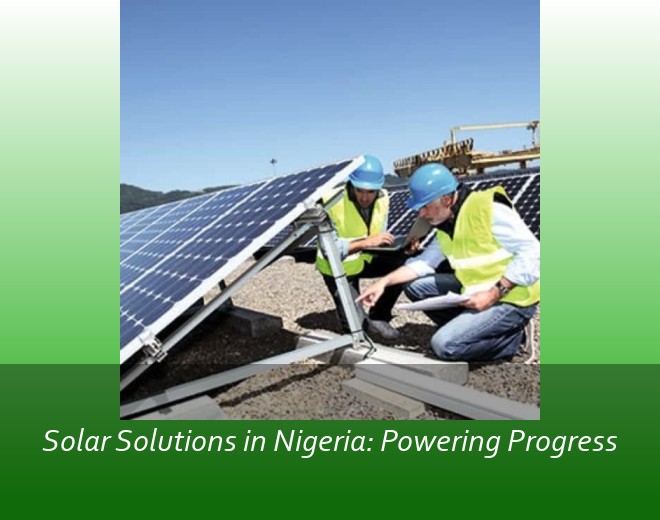
Nigeria's energy situation is sort of like trying to charge a smartphone with a potato battery. Over 60% of Nigeria's 213 million people lack reliable grid electricity, according to 2024 World Bank estimates. But wait, no...it's not just about lights. This energy poverty costs businesses $29 billion annually in diesel expenses alone.
Solar Panels in Nigeria: Powering Progress
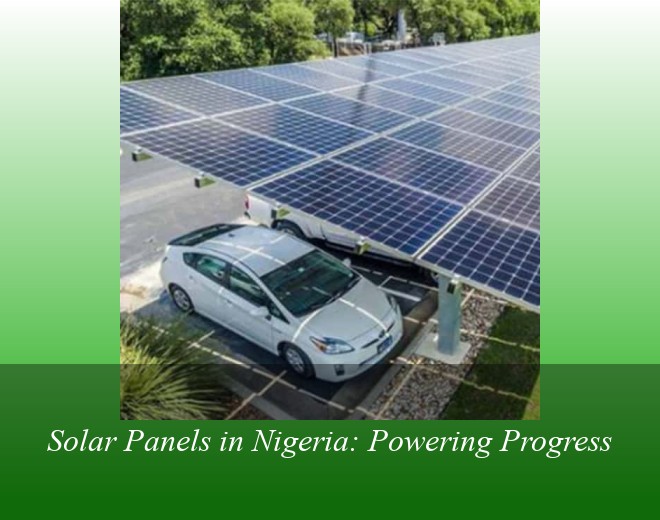
You know how it goes - just as you're about to stream your favorite show, NEPA takes the light. Again. Nigeria's power deficit isn't just annoying; it's costing us $29 billion annually in lost productivity according to 2023 World Bank estimates. But wait, there's more: 43% of urban households and 78% of rural communities still lack reliable grid access.
The Essential Guide to 10kW Solar Inverters: Powering Your Energy Independence
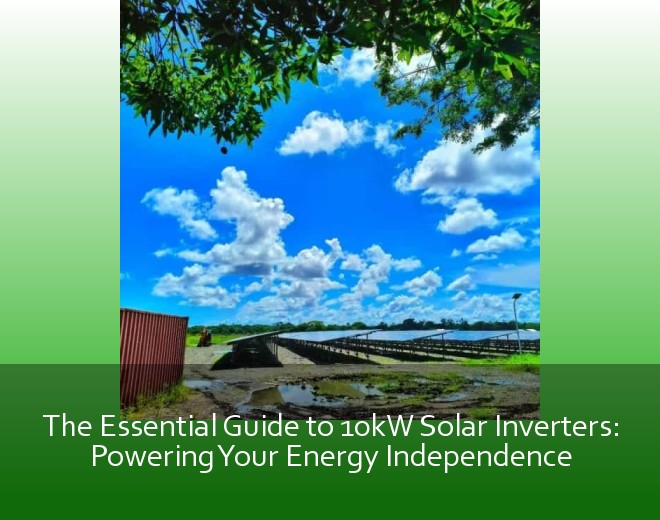
Ever wondered why solar inverter 10kW systems are suddenly everywhere? Let me paint you a picture: The average American household uses about 877 kWh monthly. A properly sized 10kW system can generate 1,200-1,500 kWh/month – enough to power most homes and charge an EV. But here's the kicker: 62% of new solar installations in Q1 2024 opted for 8-12kW systems, according to SEIA data.
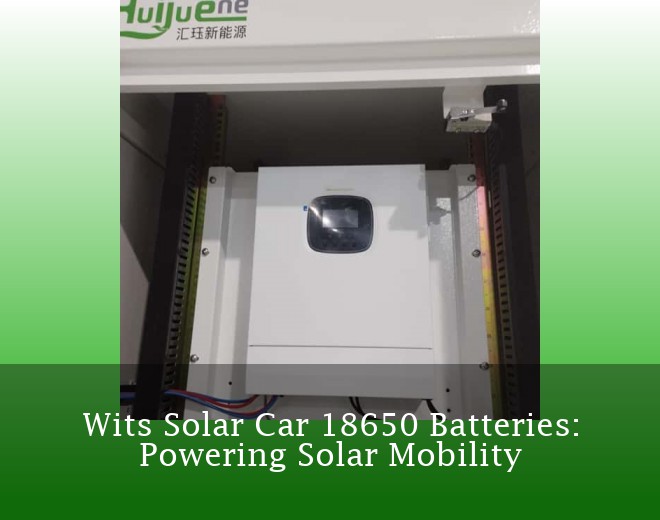
Wits Solar Car 18650 Batteries: Powering Solar Mobility
You know, when the Wits Solar Car team first considered battery options in 2023, they faced a $64,000 question: Why use 18mm-diameter cylindrical cells when newer pouch-style batteries offer higher capacity? The answer lies in a perfect storm of energy density (250-300 Wh/kg), proven thermal stability, and modular repairability – crucial when racing across Australia's 3,000km solar challenge.
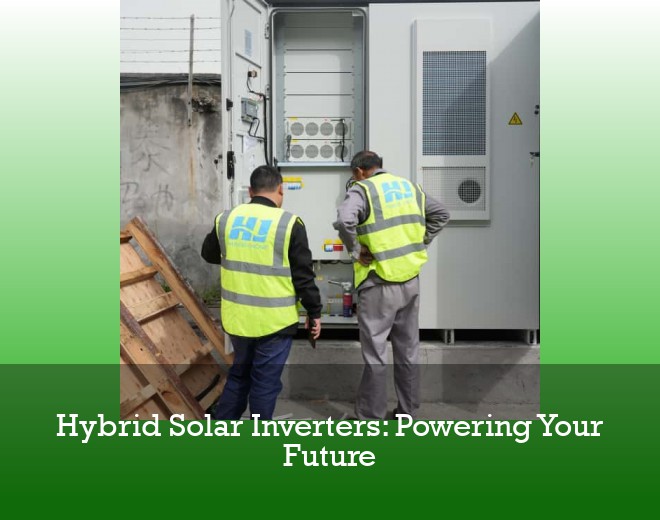
Hybrid Solar Inverters: Powering Your Future
Ever found yourself worrying about blackouts during peak summer months while trying to reduce your carbon footprint? You're not alone. Over 1.3 million U.S. households added solar-plus-storage systems in 2023, driven by rising utility costs and extreme weather patterns.
 Inquiry
 Online Chat