


Retrofitting Battery Storage: Smart Energy Upgrade
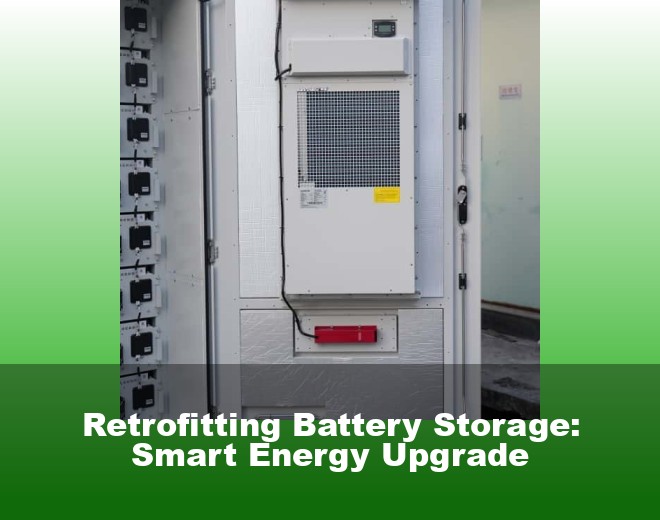
Table of Contents
Why Retrofitting Battery Storage Matters Now
Did you know German households using retrofitted solar batteries reduced grid dependence by 40% last winter? As Europe faces unprecedented energy price volatility, retrofitting existing solar systems with storage has become more than an eco-choice - it's financial armor against unpredictable bills.
The Hidden Costs of "Naked" Solar Panels
Most homeowners don't realize their solar panels essentially work part-time. Without storage, excess daytime energy gets sold back to utilities at wholesale rates (typically 4-6¢/kWh), only to repurchase it at retail prices (30-40¢/kWh) after sunset. It's like selling your homemade bread for $2 and buying back slices for $5 when hungry.
The Real Hurdles in Energy Storage
While 68% of EU renewable energy professionals recommend battery retrofits, three main barriers persist:
- Space constraints in urban homes
- Upfront costs averaging €6,000-€12,000
- Technical compatibility with older solar systems
But here's the kicker - new modular systems like the Huijue H3 allow incremental expansion. You could start with 5kWh capacity (about 2 washing machine cycles) and scale up as budgets allow.
Practical Solutions for Homeowners
Take the Müller family in Hamburg - they retrofitted their 2015 solar array with lithium-phosphate batteries last autumn. During December's energy crunch, they achieved 83% self-sufficiency while neighbors faced €700+ monthly bills. Their secret sauce? A hybrid system combining:
- DC-coupled battery connection
- Smart load-shifting algorithms
- Emergency power isolation switches
Battery Tech Made Simple
Modern energy storage systems aren't your grandpa's lead-acid monsters. Lithium-ion variants now dominate 78% of the EU home market, offering:
| Cycle Efficiency | 95-98% |
| Lifespan | 6,000+ cycles |
| Temperature Tolerance | -20°C to 50°C |
But wait - are these batteries truly sustainable? The industry's moved to closed-loop recycling recovering 96% of lithium, cobalt and nickel. It's not perfect, but certainly better than letting unused solar energy go to waste.
Installation Realities
A typical retrofit takes 1-3 days. Certified installers first audit your existing system's compatibility - like checking if your solar inverter can handle battery communication protocols. Newer homes often need just a firmware update, while older installations might require a hybrid inverter (adding €800-€1,500 to costs).
As renewable grids evolve, retrofitting batteries becomes the missing link between simply generating green energy and actually living on it. The question isn't whether to add storage, but when your household will join the energy resilience revolution.
Related Contents
Smart Storage Battery 727258 B21: Revolutionizing Renewable Energy Storage
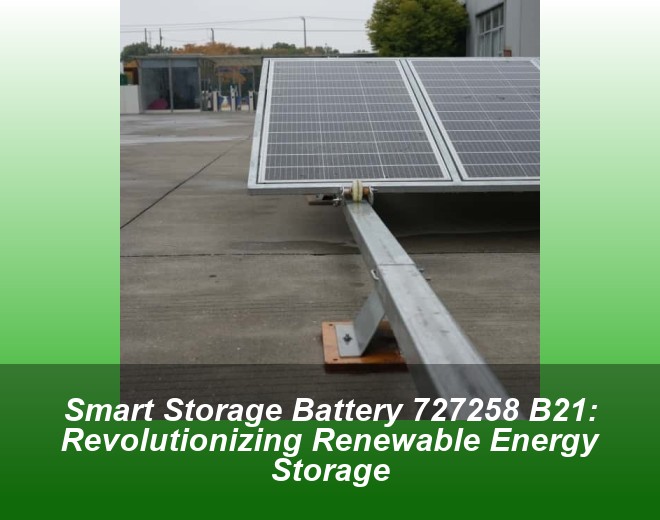
You know what keeps renewable energy experts awake at 3 AM? Mountains of solar panels generating excess power with nowhere to store it. The global renewable energy sector added 510 gigawatts of capacity last year alone, but here's the kicker - nearly 18% of that potential gets wasted due to inadequate storage solutions.
Nexus Solar Battery South Africa: Solving Energy Challenges with Smart Storage
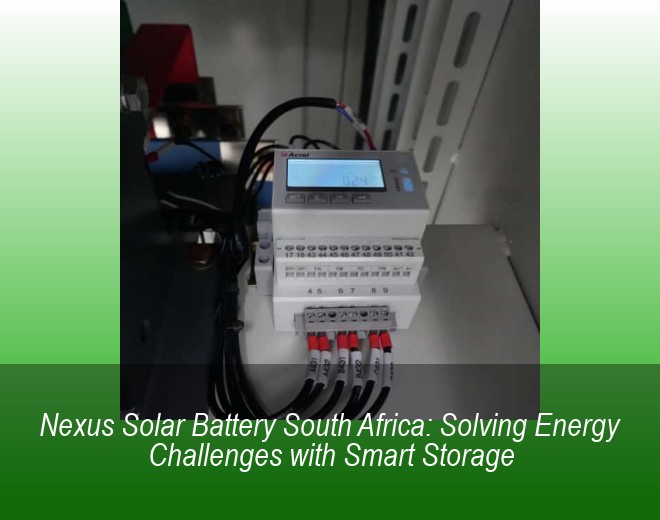
You know what’s worse than load-shedding? Paying for expensive diesel generators that smell like regret. In 2024, South Africa experienced 207 days of rolling blackouts – a 23% increase from 2023. But here’s the kicker: the average household now spends 18% of their income on backup power solutions.

EnSight Energy Solutions: Powering the Future with Smart Battery Storage
You've probably heard the numbers – global solar capacity grew 22% last year alone. But here's what they're not telling you: energy waste from mismatched storage systems reached a staggering 18.7 terawatt-hours in 2024. That's enough to power Denmark for three months!
How Solar Energy and Battery Storage Are Solving Our Toughest Energy Challenges
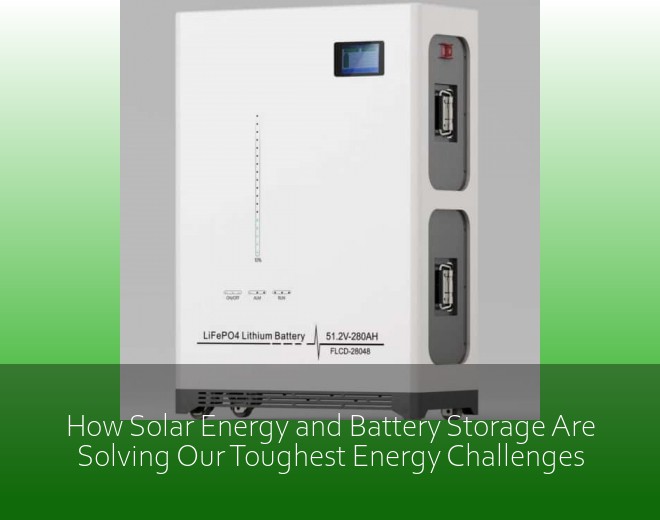
Let's face it – our current energy model's about as stable as a house of cards in a windstorm. Fossil fuel prices swung wildly last quarter, with natural gas hitting $8.50/MMBtu in February before crashing to $4.20 by March. Meanwhile, extreme weather events knocked out power for 2.3 million U.S. households just last month. Solar energy isn't just an alternative anymore; it's becoming our safety net.
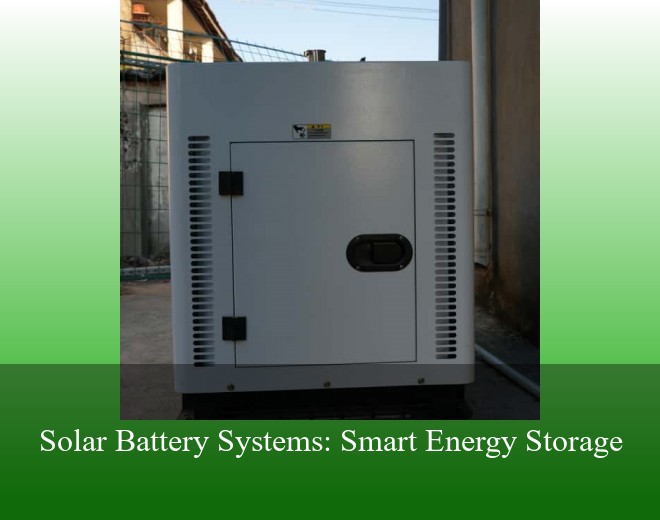
Solar Battery Systems: Smart Energy Storage
Ever wondered why your neighbor installed those sleek solar panels with bulky boxes last summer? Well, they've probably joined the 43% of U.S. homeowners adopting solar battery systems since 2023. The real kicker? Traditional grid electricity prices jumped 18% last quarter alone, making energy independence more than just an eco-friendly choice.
 Inquiry
 Online Chat