


Solar Energy Storage: Powering Tomorrow’s Grid Today
Table of Contents
Why Energy Storage Isn’t Just an Afterthought
Let’s face it: solar panels alone won’t solve our energy woes. Sure, they’ve become 80% cheaper since 2010, but what good is that rooftop array if it can’t power your home during a blackout? The real game-changer lies in pairing solar with battery storage systems – a combo that’s reshaping grids from California to Chengdu.
The Duck Curve Dilemma
California’s grid operators noticed something odd back in 2018. Solar farms were flooding the grid with midday power, only to crash output at sunset – a phenomenon nicknamed the “duck curve.” Fast forward to 2025, and utilities are now scrambling to store that excess energy. Lithium-ion batteries have stepped up, with projects like Moss Landing’s 1.6 GWh system storing enough juice for 300,000 homes during peak hours.
When Policy Meets Physics
China’s latest mandate requiring solar-plus-storage systems for all new utility-scale projects isn’t just bureaucratic red tape. It’s a direct response to curtailment rates hitting 15% in sun-drenched regions like Qinghai. By 2024, combined installations in China alone reached 380 GW of solar paired with 92 GWh of storage – numbers that’d make even the most hardened oil exec sweat.
The Solar-Storage Synergy: More Than Just Panels
Modern photovoltaic systems aren’t your grandma’s solar tech. With bifacial modules capturing reflected light and trackers following the sun’s arc, today’s arrays generate 35% more power than 2020 models. But here’s the kicker: without storage, that extra energy literally vanishes into thin air.
Residential Revolution
Take the Smiths in Arizona. Their 10 kW rooftop system with a 20 kWh battery bank let them weather a 14-hour outage during last July’s heatwave – all while selling excess power back to the grid at peak rates. “It’s like having a money-printing machine that also keeps the AC running,” they quipped to local media.
Battery Breakthroughs You Can’t Afford to Ignore
While lithium-ion dominates headlines, flow batteries are making quiet gains. China’s Dalian Rongke Power recently deployed a 200 MW/800 MWh vanadium flow system – perfect for smoothing out wind and solar fluctuations over multiday cycles. And let’s not forget sodium-ion tech: 40% cheaper than lithium, with CATL’s new cells already powering 5,000 telecom towers across Inner Mongolia.
The Recycling Reckoning
With 2.5 million tons of solar panels and 500,000 tons of batteries set to retire by 2030, the industry’s scrambling for circular solutions. Europe’s new 95% material recovery mandate has birthed startups like France’s Soren, which can extract 99.9% pure silicon from old panels. “It’s not just greenwashing,” their CEO insists. “We’re mining urban landfills instead of the Congo.”
From Texas Heatwaves to German Winters: Real-World Impact
When Winter Storm Uri froze Texas’ gas plants in 2021, solar-storage hybrids kept lights on for 200,000 households. Now, ERCOT’s forecasting 9.7 GW of battery storage by 2025 – enough to power 2 million homes during emergencies. Across the pond, Germany’s SonnenCommunity proves neighborhood-scale storage works: 100,000 homes sharing power through AI-managed virtual power plants.
The Microgrid Momentum
Puerto Rico’s post-Maria rebuild offers a blueprint. Over 800 solar-powered microgrids now dot the island, combining Tesla Powerwalls with Generac’s smart inverters. During Hurricane Fiona, these systems provided 72 hours of backup power where traditional grids failed – a lifeline that’s becoming standard from Jakarta to Johannesburg.
As grid operators grapple with rising peak demand and extreme weather, one truth emerges: energy storage isn’t just an accessory anymore – it’s the backbone of modern power systems. The question isn’t whether to adopt these technologies, but how quickly we can scale them before the next crisis hits.
Related Contents
Solar Panel Energy Storage: Powering Tomorrow’s Grid Today
Ever wondered why your neighbor’s rooftop solar panels still rely on the grid during cloudy days? The answer lies in the missing piece of the renewable energy puzzle: energy storage batteries. Solar panels generate power when the sun shines, but without storage, excess energy slips through our fingers like sand. Globally, we’re wasting enough solar energy annually to power Germany for six months—a staggering inefficiency in our climate-critical era .
Solar Energy Storage Solutions: Powering Tomorrow’s Grid Today
You know that sinking feeling when clouds roll in during peak solar hours? That’s precisely why battery storage systems have become the unsung heroes of renewable energy. In 2023 alone, global solar installations grew 35% year-over-year—but without storage, we’re basically throwing away sunlight.
Solar Energy Storage: Powering Tomorrow's Grid
It’s 2 AM in California, and solar farms sit silent while homes blast AC. This nightly mismatch explains why global energy waste from renewable curtailment hit 58 TWh in 2024 – enough to power Denmark for a year. The culprit? Intermittency. Without storage, solar’s true potential remains locked.
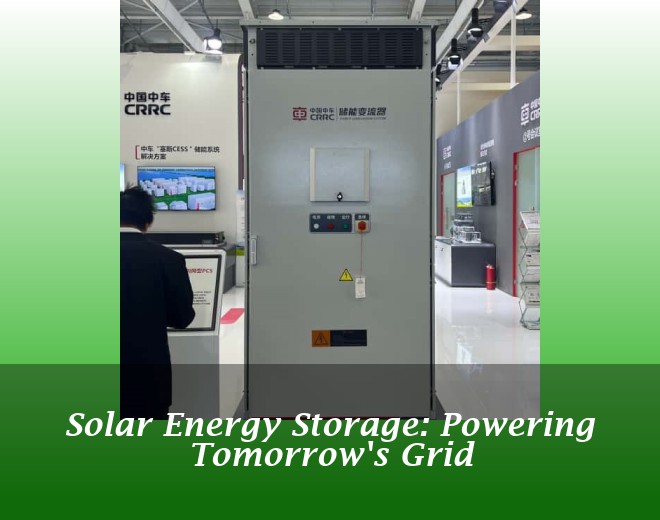
Solar Energy Storage: Powering Tomorrow's Grid
Can we really power entire cities with solar alone? The harsh truth is that solar energy storage remains the missing puzzle piece in our renewable revolution. While solar panels now account for 15% of new power installations globally, their intermittent nature causes grid instability that costs billions annually.
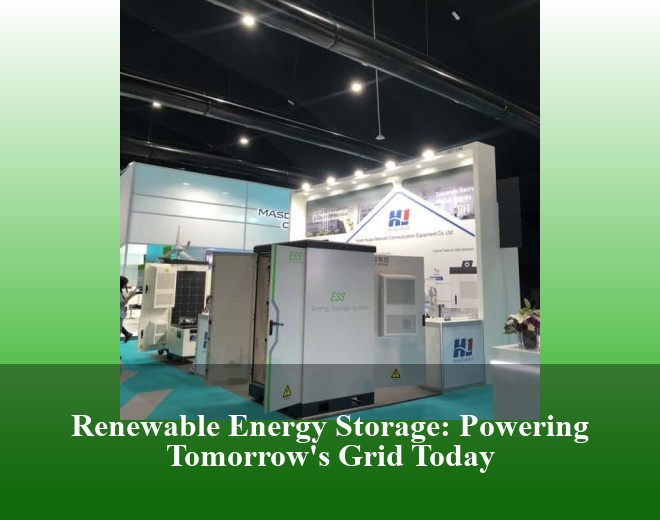
Renewable Energy Storage: Powering Tomorrow's Grid Today
We've all seen those gleaming solar farms and majestic wind turbines - symbols of our clean energy future. But here's the million-dollar question: how do we make renewable energy reliable when the sun isn't shining and the wind isn't blowing? This fundamental challenge has been holding back our transition to renewable energy storage systems that could truly replace fossil fuels.
 Inquiry
 Online Chat