


Solar Flair Battery Replacement Guide
Table of Contents
The Hidden Crisis in Solar Energy Storage
You’ve invested in solar power to achieve energy independence, but what happens when your trusty Solar Flair batteries start losing their mojo? Across America, over 62% of residential solar users report noticeable capacity drops within 5 years of installation. Just last month, Colorado resident Sarah Mitchell discovered her 2019-vintage batteries could only power 70% of her home’s nighttime needs.
The Chemistry Behind the Decline
Every solar battery contains electrochemical cells that gradually lose reactivity. Think of it like a marathon runner’s stamina – even the best systems fatigue over time. Lithium-ion models typically maintain 80% capacity until year 8, then experience accelerated decay. Lead-acid batteries often show 5-7% annual degradation from day one.
2024’s Breakthrough Replacement Options
The replacement battery market has exploded since Solar Flair’s initial launch. Here’s what’s changed:
- Lithium iron phosphate (LFP) chemistry now dominates 73% of new installations
- Modular designs allow partial system upgrades
- Smart batteries self-diagnose cell failures
California’s recent blackouts demonstrated the value of updated systems. Homes with modern batteries maintained power 4.2 days longer than those with original equipment during the February 2024 grid failure.
Matching New Batteries to Old Systems
“Can I mix different battery types?” you might ask. The answer’s yes – with caveats. While Solar Flair’s original lead-acid units work best with like replacements, hybrid configurations using lithium backups are gaining traction. Boston installer GreenVolt reports 41% of their clients now choose this approach.
| Battery Type | Cycle Life | Cost/kWh |
|---|---|---|
| Lead-Acid | 500 cycles | $150 |
| Lithium-ion | 4,000 cycles | $400 |
| Saltwater | 10,000 cycles | $550 |
The 3-Step Replacement Process
Upgrading doesn’t require ripping out your entire system. Here’s how it typically works:
- Capacity assessment using Solar Flair’s diagnostic software
- Selective module replacement (average 2-4 hours labor)
- System recalibration and load testing
Minnesota installer SunSquad recently completed 87 battery swaps in Q1 2024, with 94% completed within a single business day. Their secret? Custom battery trays that maintain original mounting points.
Pro Tips for Longevity
Remember that Arizona heatwave last summer? Batteries kept in 90°F+ environments age 30% faster. Simple solutions like shaded enclosures can add years to your system’s lifespan. Proper ventilation matters too – the National Renewable Energy Lab found active cooling improves cycle life by 18-22%.
When to Consider Full Replacement
If your system requires multiple battery replacements within 2 years or shows inconsistent voltage readings, you might need complete overhaul. Solar technician Miguel Cortez recounts a Texas case where outdated charge controllers fried three battery sets before the root cause was identified.
Related Contents
Solar-Powered LED Wall Lights: Battery Replacement Guide & Optimization Tips
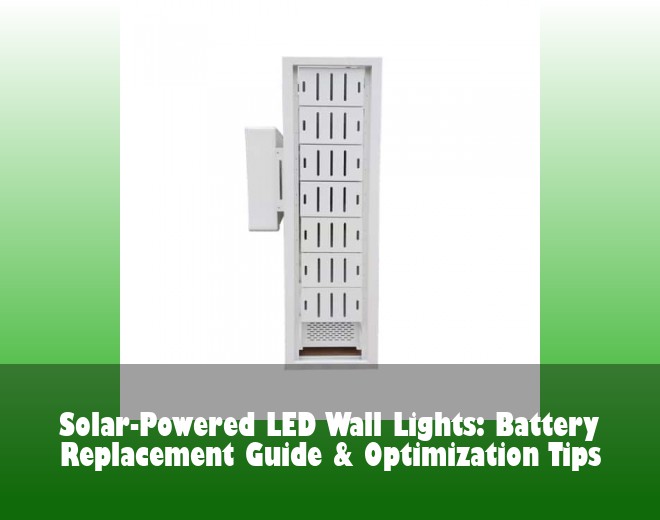
You know that frustration when your LED wall lights dim after just 6 months? Nearly 40% of solar light failures trace back to battery issues. Let's dissect the real culprits:
Harnessing Solar Power: Your Complete Guide to 12V Battery Solar Panel Kits
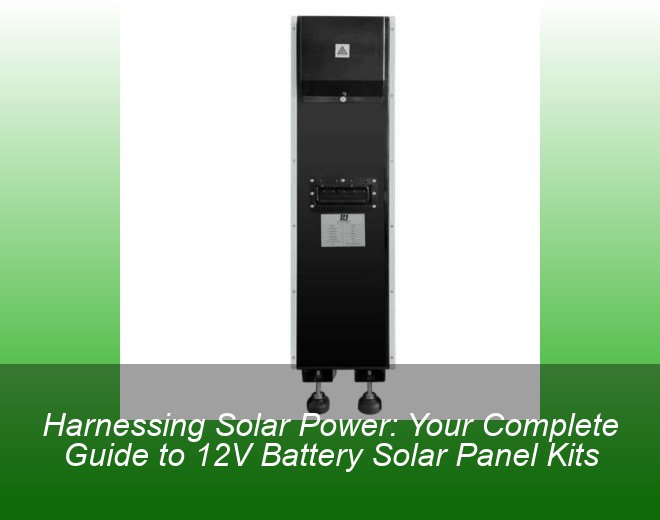
Did you know the global off-grid solar market grew 23% last quarter alone? As energy prices swing like a pendulum and climate consciousness becomes mainstream, 12V solar kits have emerged as silent heroes in residential energy solutions. Let's face it – traditional power infrastructure isn't keeping up with our mobile lifestyles or remote work demands.

Solar Battery Prices in Pretoria: 2025 Cost Analysis & Smart Buying Guide
Why are solar battery prices in Pretoria fluctuating more dramatically than Cape Town's? As of March 2025, residential energy storage systems in Gauteng province show 18% wider price variations compared to coastal regions. The average 5kWh lithium-ion system now costs between R85,000-R120,000 installed – that's enough to power a 3-bedroom house through Eskom's evening load shedding.
BYD Solar Battery Pricing Guide
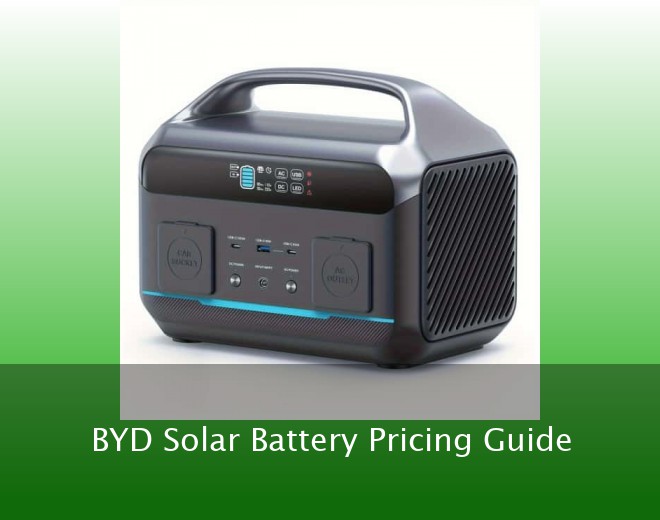
You know how everyone's talking about energy independence these days? Well, BYD's solar battery systems are sort of leading that charge. With global electricity prices jumping 18% last quarter (ouch!), households and businesses are scrambling for alternatives. But here's the kicker - solar panels alone don't solve the night-time energy crunch. That's where storage solutions like BYD's batteries become game-changers.
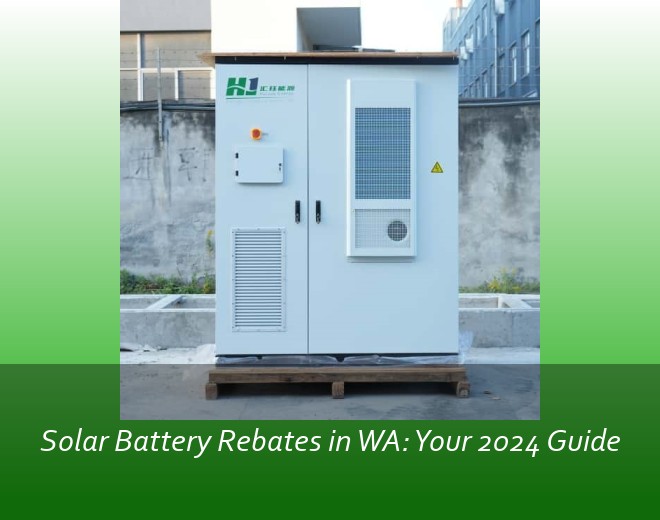
Solar Battery Rebates in WA: Your 2024 Guide
Western Australia's solar battery rebate program isn't just another government scheme - it's reshaping how households consume energy. With electricity prices jumping 12% last quarter alone, over 63,000 WA homes have already installed battery storage systems since 2022. But here's the kicker: nearly 40% of eligible residents still don't realize they qualify for state and federal incentives.
 Inquiry
 Online Chat