


Smart Grid Technologies: Powering Tomorrow's Energy
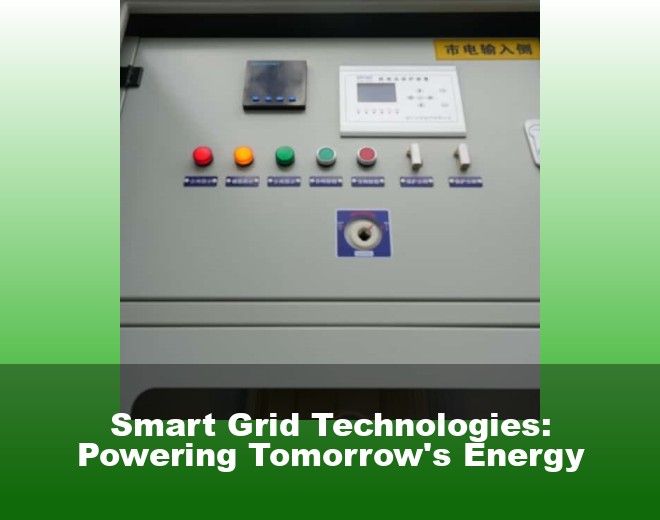
Table of Contents
The Energy Dilemma: Why Old Grids Fail
our century-old power systems weren't built for today's renewable energy revolution. Traditional grids struggle with solar and wind's natural variability, like trying to pour maple syrup through a coffee stirrer. The U.S. Department of Energy estimates that outdated infrastructure causes 14% of generated electricity to simply vanish before reaching consumers.
Well, here's the kicker: while global renewable capacity grew 50% last year, grid upgrade investments barely ticked up 3%. This mismatch creates bizarre situations where wind farms get paid to not produce energy during peak generation hours. Crazy, right?
How Smart Grids Solve Modern Power Challenges
Enter smart grid technologies - the digital nervous system for modern energy networks. Unlike their dumb predecessors, these systems use real-time data analytics to:
- Balance supply and demand within milliseconds
- Integrate decentralized solar/wind farms
- Enable two-way power flows with EV batteries
Take Shenzhen's new microgrid cluster as an example. By combining AI forecasting with battery storage systems, they've achieved 98% renewable utilization - up from just 63% in 2022. The secret sauce? Machine learning algorithms that predict energy patterns better than a Vegas bookie handicaps football games.
The Battery Storage Breakthrough
Now, lithium-ion batteries get most of the hype, but the real game-changer might be something you've never heard of - flow batteries. These liquid-based systems can store energy for days rather than hours, solving renewables' "nighttime problem" without mining rare earth metals.
A coastal town where wind turbines charge massive seawater flow batteries during storms, then discharge smoothly through calm periods. Tsinghua University's recent optimization models show such setups could cut energy waste by 40% compared to traditional systems.
Case Study: China's Grid Transformation
China's approach to smart grid development offers fascinating lessons. While Western nations focused on demand response tech, Chinese engineers went all-in on ultra-high voltage transmission lines. This "build the highways first" strategy now enables shipping solar power from Gobi Desert farms to Shanghai offices 2,000 miles away.
But wait - there's a plot twist. Recent blackouts exposed over-reliance on centralized systems. The solution? A hybrid approach blending mega-infrastructure with neighborhood-level microgrids. It's like combining interstate highways with bicycle lanes - each serving different needs efficiently.
Beyond the Basics: What's Next?
The next frontier? Vehicle-to-grid (V2G) networks. Imagine your EV not just guzzling electrons, but earning money by stabilizing the grid during peak hours. Early pilots show fleet operators making $1,200/year per vehicle through energy arbitrage - basically using their batteries as stock traders use Bloomberg terminals.
Of course, challenges remain. Cybersecurity threats keep utility execs up at night, and regulatory frameworks lag behind technological capabilities. But with global smart grid investments projected to hit $140 billion by 2027, the energy revolution's infrastructure is finally catching up to its ambitions.
Related Contents
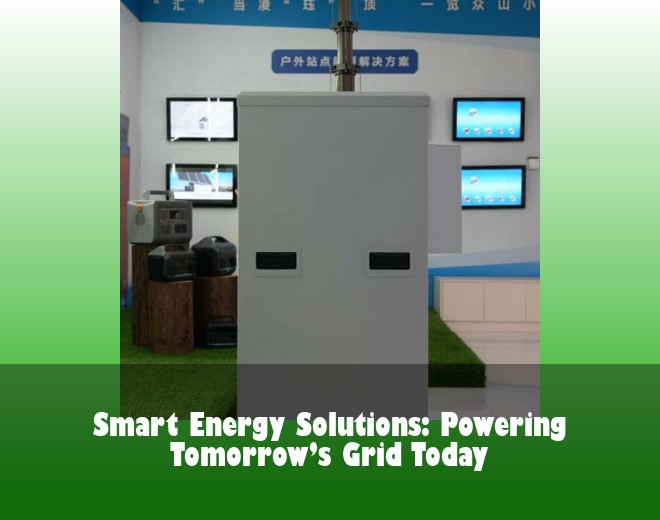
Smart Energy Solutions: Powering Tomorrow’s Grid Today
Ever wondered why your electricity bill keeps climbing despite using fewer appliances? The global energy landscape is undergoing seismic shifts—aging infrastructure, geopolitical tensions, and let’s face it, climate change isn’t helping. Smart energy solutions aren’t just buzzwords; they’re becoming survival tools for households and industries alike.
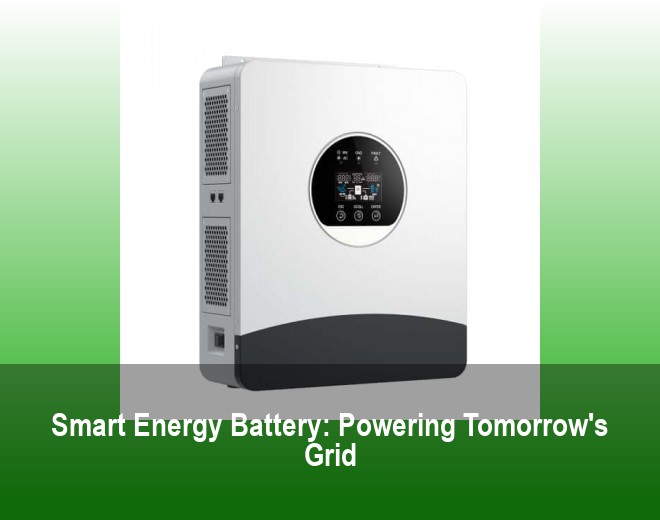
Smart Energy Battery: Powering Tomorrow's Grid
You know that feeling when your phone dies mid-video call? Now imagine that happening to entire cities. Last month's Texas blackout left 4 million homes powerless - a stark reminder that our aging grids need energy resilience solutions fast. Enter smart energy battery systems, the unsung heroes bridging renewable energy gaps.
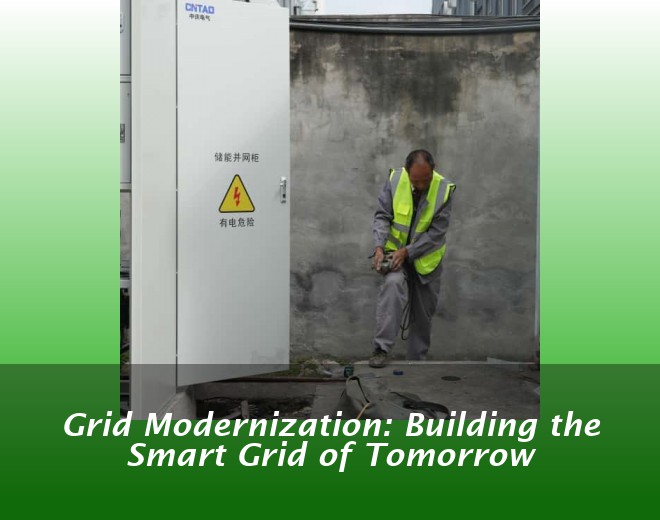
Grid Modernization: Building the Smart Grid of Tomorrow
You know how your phone gets slower with every iOS update? Our power grids are stuck running the equivalent of Windows 95 while trying to handle Tesla Superchargers and rooftop solar. The U.S. Department of Energy estimates 70% of transmission lines are over 25 years old - older than most TikTok users' parents. This aging infrastructure causes 6+ hours of annual outages for the average American household, costing businesses $150 billion yearly.
Renewable Energy Storage: Powering Tomorrow's Grid
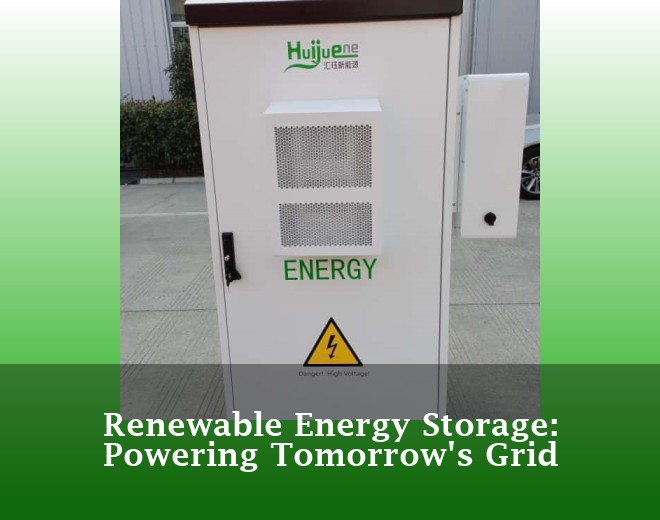
We've all seen those perfect solar farm photos - endless rows of panels soaking up sunlight. But here's the kicker: solar panels only produce meaningful energy for about 6 daylight hours in most regions. That leaves 18 hours daily where we're back to drawing from conventional grids. You know what they say about putting all your eggs in one basket? Well, we're trying to power cities with a basket that's only available 25% of the time.
Energy Storage: Powering Tomorrow's Grid
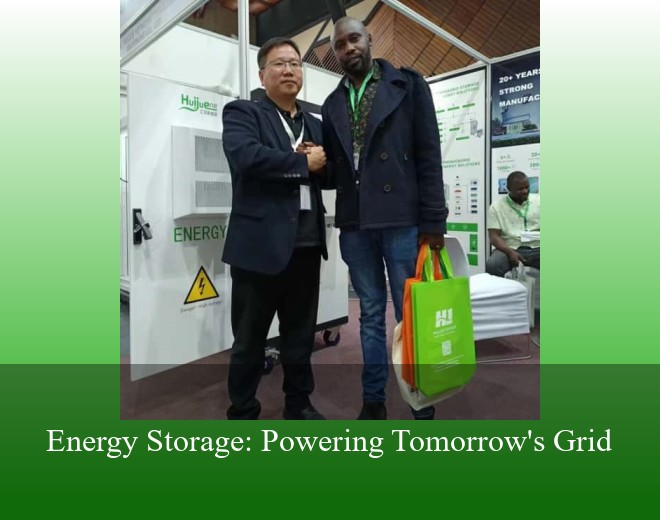
California's solar farms routinely shutting down on sunny afternoons while natural gas plants fire up at dusk. This isn't dystopian fiction—it's today's renewable energy paradox. Without adequate electricity storage, we're throwing away clean energy while burning fossils as backup.
 Inquiry
 Online Chat