


Renewable Energy Storage Solutions Decoded
Table of Contents
The Storage Puzzle: Why Renewable Energy Needs Backup
You know what's ironic? California recently curtailed 2.4 million MWh of solar power in a single year - enough to power 350,000 homes. That's the crux of our renewable dilemma: how do we save sunshine for a rainy day (literally)?
Let me paint you a picture. My neighbor installed rooftop solar last summer, thrilled about "free energy." By December, he was fuming over grid export rates dropping 73% during peak generation hours. Sound familiar? This rollercoaster stems from a fundamental mismatch - renewable energy systems produce power when nature dictates, not when we need it.
The Duck Curve That Quacked the Grid
California's grid operators coined the term "duck curve" to describe solar overproduction. Between 2015-2022, midday net load dropped 60% while evening ramp requirements surged 400%. Utilities now need power plants that can jump from 40% to 100% output in 30 minutes - something traditional infrastructure wasn't built for.
From Lab to Grid: Battery Innovations Changing the Game
Here's where things get exciting. The latest lithium iron phosphate (LFP) batteries have achieved 6,000-cycle lifespans while dropping to $97/kWh - a 70% cost reduction since 2018. But wait, there's more:
- Flow batteries using vanadium electrolytes (8-hour discharge capacity)
- Sand-based thermal storage hitting 95% round-trip efficiency
- Gravity storage systems moving 30-ton blocks up abandoned mine shafts
Take Tesla's Moss Landing facility. Their 1.2 GWh Megapack installation now provides inertial response comparable to natural gas plants. During last September's heatwave, it delivered 300 MW within milliseconds when a transmission line failed.
When Sunlight Isn't Enough: Solar Plus Storage Systems
Let's say you're considering a 10kW solar array. Pairing it with 15kWh of storage boosts self-consumption from 30% to 80% on average. The math works out:
| Component | Cost | Payback Period |
|---|---|---|
| Solar Only | $18,000 | 7.2 years |
| Solar + Storage | $28,500 | 6.8 years |
See that? The combo system actually pays off faster despite higher upfront costs. Why? Time-of-use arbitrage and capacity payments add revenue streams traditional systems can't access.
The Hidden Value Stack
Texas' ERCOT market revealed something fascinating last quarter. Battery storage systems earned 60% of their revenue from ancillary services - frequency regulation, voltage support, black start capability. These "grid service" payments often outweigh pure energy trading profits.
Storage in Action: Case Studies That'll Make You Rethink Power
Remember Hawaii's 2015 grid crisis? The Kauai Island Utility Cooperative flipped the script by deploying SolarCity's (now Tesla) 52MWh battery array. Result: 44% renewable penetration achieved without destabilizing the grid. They've since eliminated diesel imports during daylight hours.
"Storage isn't just an add-on anymore - it's becoming the control center of modern grids."
- Dr. Elena Richardson, MIT Energy Initiative
Then there's Germany's SonnenCommunity. Their peer-to-peer energy sharing platform lets neighbors trade stored solar power using blockchain. Members save 25% on bills while reducing grid dependence - a template spreading through EU energy circles.
Tomorrow's Storage Tech That's Working Today
Ever heard of "sand batteries"? Polar Night Energy's pilot in Finland stores excess wind power as heat in 100 tons of sand, achieving 99% charge-discharge efficiency. It's now heating homes in Kankaanpää through brutal -20°C winters.
On the chemistry front, CATL's sodium-ion batteries entered mass production last month. Though energy density trails lithium by 20%, the $58/kWh price point makes them ideal for stationary storage. Expect these to dominate utility-scale projects by 2025.
The Rural Revolution
In Kenya's Maasai Mara, nomadic communities use suitcase-sized solar storage kits to power LED lights and phone charging. These $350 systems replace $15/month kerosene costs - paying for themselves in under two years while eliminating indoor air pollution.
As we head into 2024, one thing's clear: energy storage isn't just about saving electrons anymore. It's about reshaping societies, empowering communities, and finally making renewables work on human terms. The technology's here - the question is, are we ready to deploy it wisely?
Related Contents
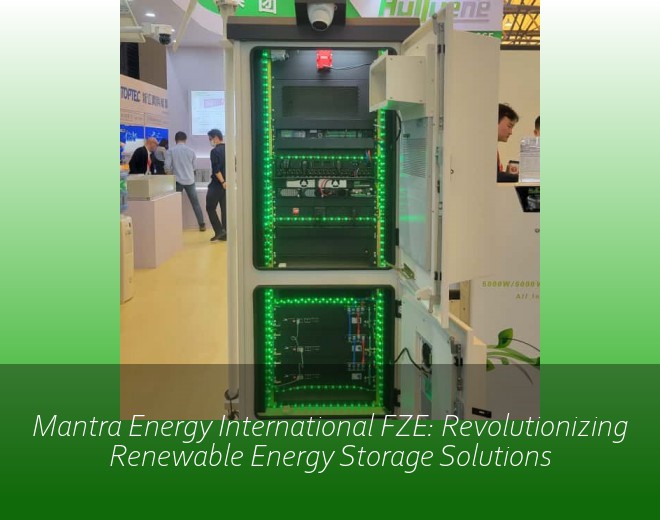
Mantra Energy International FZE: Revolutionizing Renewable Energy Storage Solutions
Why is energy storage such a critical piece of the renewable energy puzzle? Well, consider this: The International Energy Agency reports that global renewable capacity grew by 50% in 2023 alone, but nearly 18% of this generated power gets wasted due to inadequate storage solutions. That's enough electricity to power entire countries like Argentina for a year!
Renewable Energy Storage Solutions Decoded
Ever wondered why your electricity bill keeps climbing despite solar energy becoming cheaper than fossil fuels? The answer lies in our aging power infrastructure struggling to handle renewable inputs. Traditional grids, designed for steady coal-fired power, can't cope with solar's daytime surges and nighttime droughts.
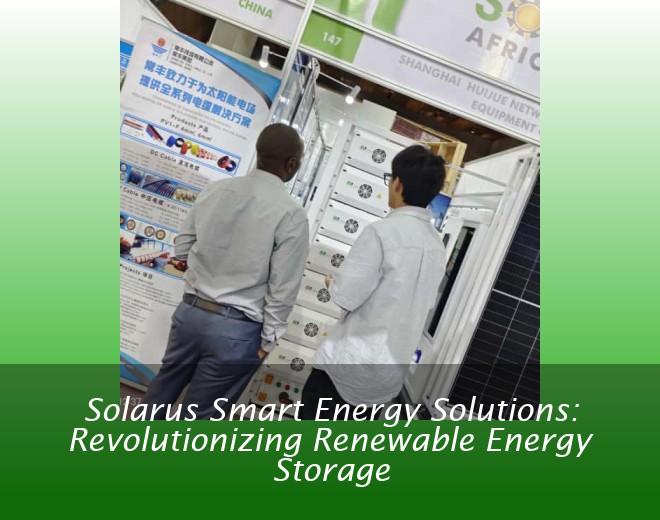
Solarus Smart Energy Solutions: Revolutionizing Renewable Energy Storage
Ever wondered why renewable energy hasn't completely replaced fossil fuels despite decades of development? The answer lies in what experts call the "sunset paradox" - solar panels stop generating when we need electricity most. In 2025, global energy storage capacity must increase by 300% to meet net-zero targets, yet current solutions barely scratch the surface.
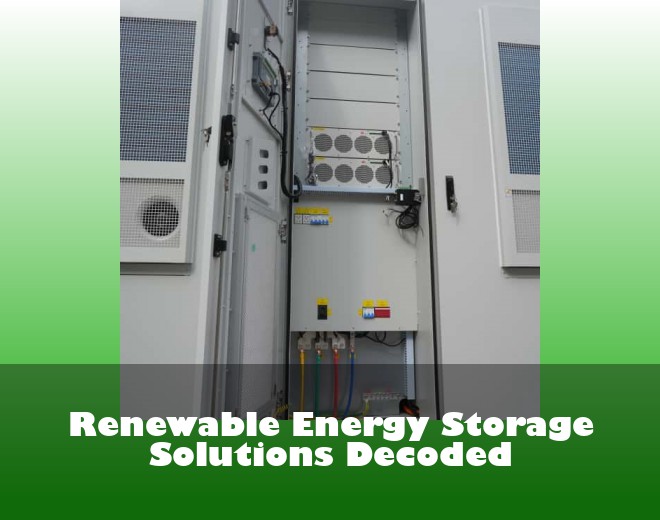
Renewable Energy Storage Solutions Decoded
our grids are creaking louder than a rusty bicycle chain. Last month's blackouts across Texas showed professional energy solutions aren't just nice-to-have accessories anymore. The global energy storage market is projected to hit $546 billion by 2035, but here's the kicker: 68% of commercial buildings still can't store enough solar power to last through dinner time.
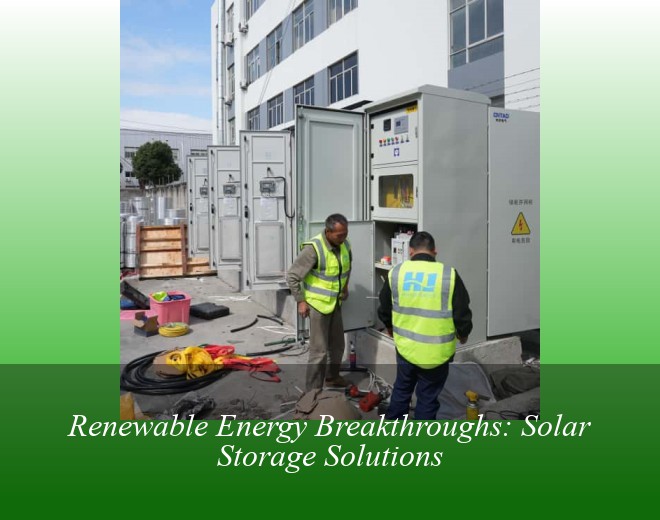
Renewable Energy Breakthroughs: Solar Storage Solutions
Ever wondered why your neighbor's rooftop solar panels still rely on the grid during cloudy days? The dirty little secret of renewable energy isn't generation - it's storage. While global solar capacity grew 22% last year, grid-scale battery installations only increased by 12%. This mismatch keeps fossil fuels in business as our backup plan.
 Inquiry
 Online Chat