


10kW Grid-Tie Solar Inverters Demystified
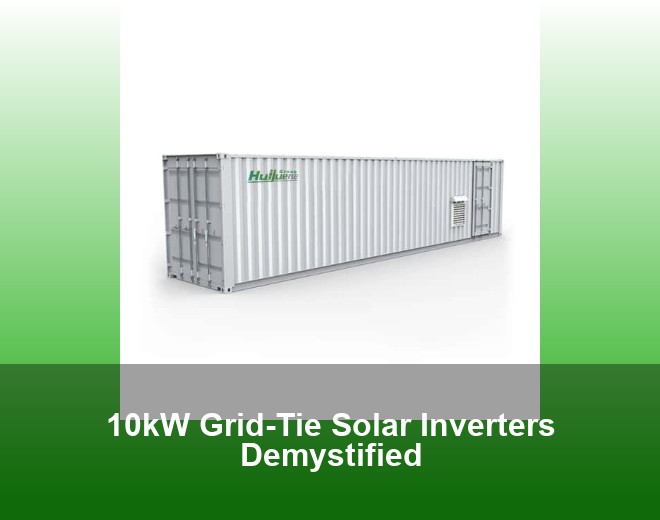
Table of Contents
Why Your Solar Setup Isn't Performing
Ever wondered why some solar installations generate 20% more energy with identical panels? The secret sauce often lies in the grid-tie inverter - the unsung hero converting DC sunlight into usable AC power. Recent data from QYR Research shows 42% of underperforming residential solar systems suffer from inverter mismatch issues.
Let me share a personal anecdote. Last spring, a neighbor complained their new 12kW solar array only offset 60% of their energy bills. Turns out they'd paired premium panels with an entry-level inverter not optimized for partial shading conditions. After upgrading to a 10kW hybrid model with advanced MPPT tracking, their energy production jumped 35% in three months.
The Voltage Conversion Conundrum
Modern 10kW on-grid inverters like Huijue's HJT-10000 solve three critical challenges:
- Dynamic voltage regulation (±5% tolerance)
- Reactive power compensation (0.9 lagging to 0.9 leading)
- Anti-islanding protection (sub-2 second response)
The 10kW Sweet Spot Explained
Why has 10kW become the gold standard for residential systems? The answer combines physics and finance. At this capacity:
- Peak efficiency reaches 98.6% (compared to 96% in 5kW models)
- System voltage stays below 600V DC - no need for expensive commercial-grade components
- Most utilities waive complex interconnection studies
Take California's 2024 Net Metering 3.0 policy. Systems under 10kW qualify for instant interconnection approval, while larger installations require 45-day utility reviews. This regulatory nuance makes 10kW the solar inverter size of choice for savvy homeowners.
Real-World Installation Case Study
A recent microgrid project at Tsinghua University demonstrates 10kW inverters' versatility. Their setup combines:
| Component | Specification |
|---|---|
| Inverter Type | 3-phase 10kW grid-tie |
| MPPT Channels | Dual tracking with 0.5% precision |
| Battery Integration | 48V DC coupling |
The system achieved 92% annual load coverage despite Beijing's variable weather patterns. More impressively, it demonstrated 0.2-second fault ride-through capability during simulated grid disturbances - crucial for maintaining power quality in urban areas.
Future-Proofing Your Energy System
With new UL 1741-SA standards taking effect last month, modern on-grid inverters must now provide:
"Voltage and frequency ride-through capabilities matching regional grid requirements"
This means your 10kW inverter purchase today needs to adapt to tomorrow's smart grid demands. Leading manufacturers accomplish this through software-upgradable firmware rather than hardware swaps - a critical consideration for long-term ROI.
As battery prices keep falling (17% year-over-year decline per BloombergNEF), the ability to seamlessly integrate storage becomes paramount. The latest 10kW hybrid models can transition from grid-tie to off-grid mode in under 20 milliseconds - faster than the blink of an eye.
Related Contents
1 kVA Off-Grid Solar Inverters Demystified
You know what's wild? Over 840 million people still lack reliable electricity access worldwide. That's where off-grid solar inverters come in - these unsung heroes are rewriting energy rules. But why specifically a 1 kVA system? Well, it's sort of the Goldilocks zone for small-scale energy independence.
Off-Grid Solar Inverters Explained
You know how regular grid-tied systems shut down during blackouts? Off-grid inverters flip that script entirely. These workhorses create self-contained power networks, completely independent from utility lines. Last month's Texas heatwave saw a 300% spike in searches for "solar backup systems that work when the grid fails" - proof people are waking up to energy independence.
On-Grid Solar Inverters: Powering Modern Energy Independence
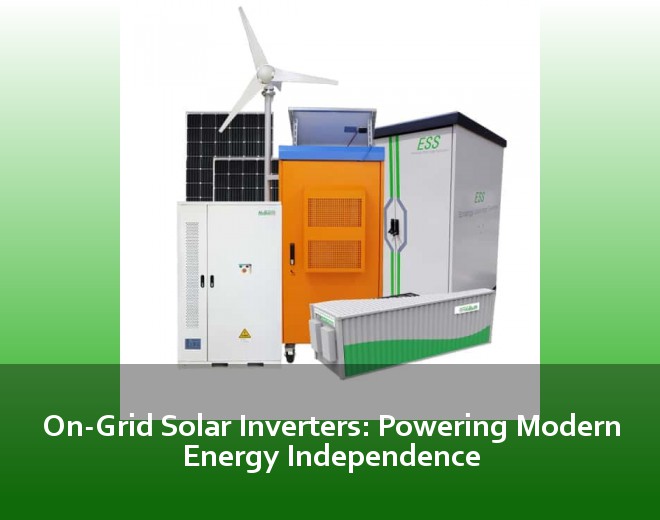
Ever wondered how California homeowners slash electricity bills by 40% without battery costs? The answer lies in on-grid solar inverters – the unsung heroes bridging rooftop panels and utility networks. Unlike off-grid systems requiring expensive battery banks, grid-tied solutions feed surplus energy directly into power lines while drawing from the grid at night.
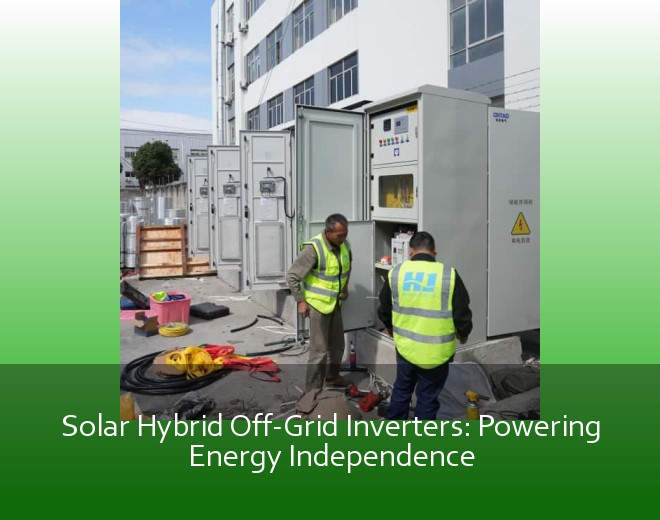
Solar Hybrid Off-Grid Inverters: Powering Energy Independence
You've probably heard the horror stories - solar installations gathering dust because they couldn't handle real-world conditions. Traditional off-grid inverters often leave users stranded during cloudy weeks, forcing them back to diesel generators. The root problem? Most systems treat energy production, storage, and consumption as separate processes rather than an integrated ecosystem.
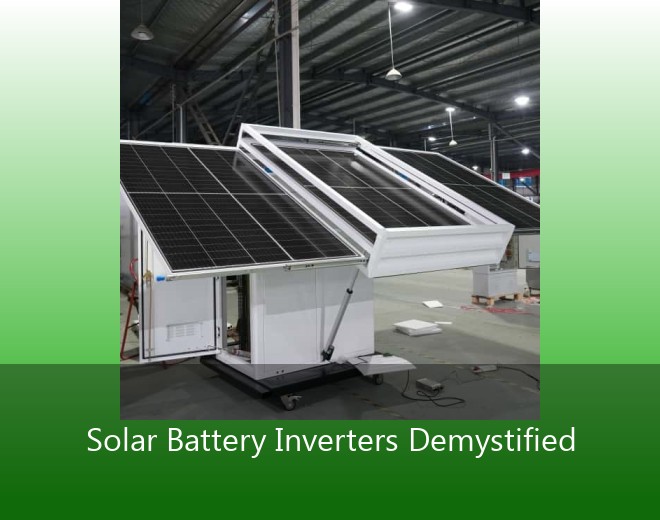
Solar Battery Inverters Demystified
Ever wondered why your solar battery system doesn't deliver its full promised potential? The dirty secret lies in inefficient energy conversion - a problem that's persisted since residential solar systems became mainstream in the 2010s.
 Inquiry
 Online Chat