


How Many Solar Batteries Do You Need?

Table of Contents
Calculating Your Energy Needs
Let's cut through the jargon. Your solar battery count depends on three factors: daily energy use, backup days needed, and system efficiency. Start by listing all appliances - fridge (200W), lights (60W total), TV (100W). Multiply each by usage hours. A 12V system running 60W lights for 7 hours needs 5A current (60W ÷ 12V). Simple enough, right?
But here's where most DIYers stumble: actual vs theoretical consumption. That 60W LED array? With inverter losses and voltage drops, you're really drawing 68W. Always add 15-20% buffer.
Battery Capacity: The Heart of Your System
Take our 12V example needing 5A for 7 hours. For 5 cloudy days: 5A × 7h × (5+1) = 210Ah. But wait! Batteries shouldn't discharge below 20%. So 210Ah ÷ 0.8 = 262.5Ah. Now factor in aging - multiply by 1.2. Final capacity: 315Ah. You'll need three 100Ah batteries minimum.
See how quickly numbers balloon? That's why Tesla Powerwall (13.5kWh) users often need two units for whole-home backup. For a cabin running 3kWh/day, a single 10kWh battery suffices with proper solar input.
The Solar Panel Equation
210Ah battery needs 2520Wh to recharge (210Ah × 12V × 1.05). With 4 peak sun hours: 2520Wh ÷ 4h = 630W panels. But conversion losses eat 25% - bump to 787W. That's eight 100W panels or three 300W units.
Monthly electric bill of $150? At 30kWh usage, you'd need 10kW solar array with 40kWh storage. But regional differences matter - Arizonans need fewer panels than Alaskans.
Real-World Case: Off-Grid Lighting
Take Houston streetlights using 40W LEDs (24V system). Daily need: 40W × 10h = 400Wh. Battery: 400Wh ÷ 24V × 6 days = 100Ah. Solar panel: (400Wh ÷ 0.8) ÷ 5.5 sun hours = 91W → 120W with losses. Total: 1 battery, 2 panels.
Contrast with a Nairobi clinic needing 24/7 refrigeration. 200W fridge × 24h = 4.8kWh. Seven-day backup requires 33.6kWh storage - sixteen 2kWh batteries! Solar array? 8kW minimum.
Choosing Battery Types: Beyond Basic Math
Lead-acid vs lithium? For 10kWh storage:
- Lead-acid: 833Ah @12V ($3,000) - Lasts 500 cycles
- LiFePO4: 833Ah ($7,000) - 3,500+ cycles
Wait, no... lithium actually needs less capacity due to deeper discharge. 10kWh lithium = 10kWh usable. Lead-acid needs 12.5kWh nominal. The plot thickens!
Pro Installation Tips
1. Mix battery brands? Big mistake. Internal resistances vary, causing imbalance.
2. Ground mounts vs roof? 23° tilt boosts winter yield 18% in temperate zones.
3. That "waterproof" battery box? Add silica gel packs - humidity kills BMS units.
Remember Mike from Tampa? His 8-battery system failed in year 2. Why? He used forklift batteries beside golf-cart ones. Different charge profiles created cascading failures. Moral: Uniformity matters.
So how many solar batteries do YOU need? Start with energy audit. Factor in location, appliance types, and future expansion. When in doubt, oversize by 25% - it's cheaper than replacing entire systems later.
Related Contents
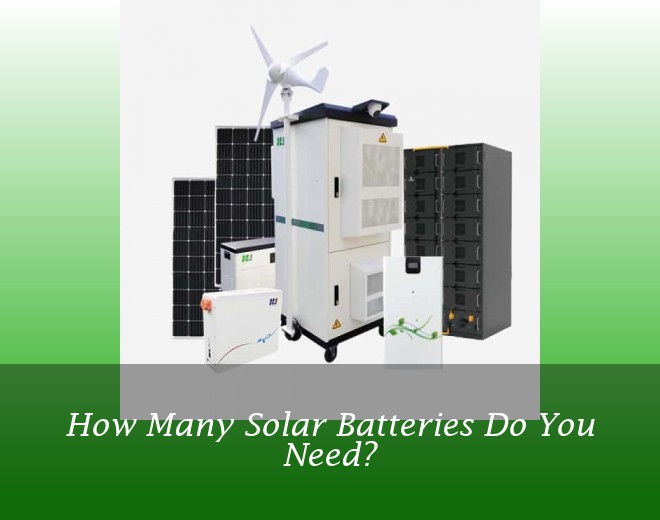
How Many Solar Batteries Do You Need?
Let's cut through the jargon. Your solar battery count depends on three factors: daily energy use, backup days needed, and system efficiency. Start by listing all appliances - fridge (200W), lights (60W total), TV (100W). Multiply each by usage hours. A 12V system running 60W lights for 7 hours needs 5A current (60W ÷ 12V). Simple enough, right?
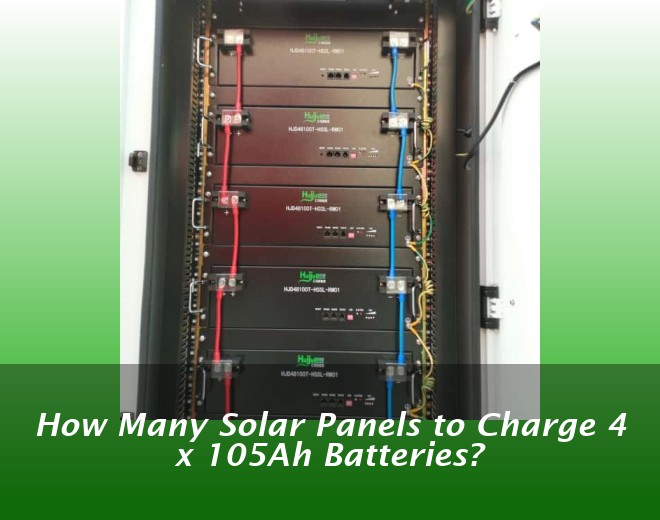
How Many Solar Panels to Charge 4 x 10⁵Ah Batteries?
Let's start with your 105Ah batteries. The "Ah" stands for amp-hours, but here's the catch – that rating assumes discharge over 20 hours at 80°F (27°C). In real-world solar systems, you'll typically use about 50% of that capacity to preserve battery life. So for 4 batteries:
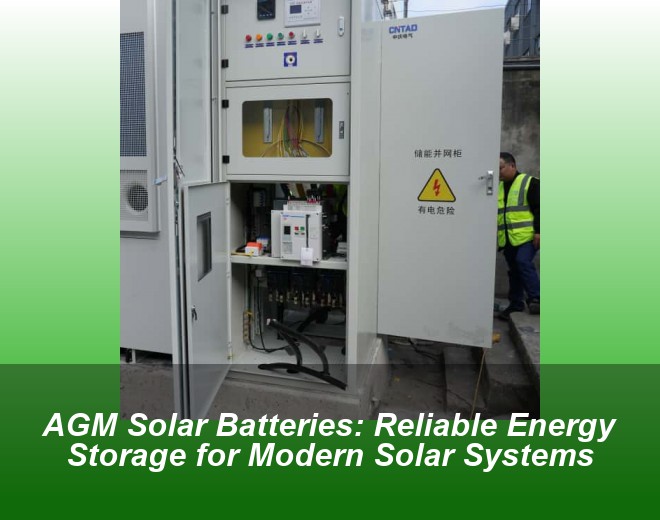
AGM Solar Batteries: Reliable Energy Storage for Modern Solar Systems
Ever wondered why off-grid solar installations in harsh environments still rely on AGM (Absorbent Glass Mat) technology after 40 years? The answer lies in their unique balance of durability and efficiency. Unlike flooded lead-acid batteries that require monthly maintenance, AGM's sealed design prevents acid spills - a game-changer for rooftop solar installations.
Do Solar Water Pumps Need Batteries?
Let's cut through the confusion: solar water pumps don't always need batteries, but here's the kicker—it depends on how you're using them. Imagine you're a farmer in Texas needing irrigation during cloudy days. Without storage, your pump becomes a fair-weather friend. But wait, battery systems add 30-40% to initial costs. Is that trade-off worth it?

Harnessing Solar Power: The Rise of 100mAh Solar Batteries
Ever wondered why your solar-powered gadgets sometimes conk out when you need them most? The problem isn’t always the solar panel—it’s often the solar battery struggling to store energy efficiently. Traditional solar storage solutions have been like using a bucket to catch rainwater—bulky, inefficient, and frankly, kinda old-school.
 Inquiry
 Online Chat