


Solar Energy in Peru: Powering the Future
Table of Contents
Why 2024 Became Peru's Solar Tipping Point
Let's cut through the noise - 2024 marked Peru's solar energy sector crossing from promise to reality. Three new plants added 195.48 MW, pushing total installed capacity to 476 MW. But wait, those numbers only tell half the story.
The real headline? 18,134 MW of solar projects now sit in Peru's development pipeline. That's enough to power 12 million homes - equivalent to Peru's entire population. The Clemesí plant alone (114.93 MW, $81M investment) generates enough electricity to replace 63,000 tons of coal annually.
Anatomy of a Solar Surge
What's driving this acceleration? Three factors converge:
- World-record solar radiation (3,000 kWh/m² in southern regions)
- Streamlined environmental approvals (82% of projects now clear permits in <6 months)
- Chinese tech partnerships (like Trina Solar's 338 MW Sunny III project)
Tax Breaks & 2035 Vision: Connecting the Dots
"Why should businesses care about Peru's renewable energy tax incentives?" you might ask. The extended tax holiday until 2035 slashes project payback periods by 40%. For developers like Inkia Energy, this policy shift enabled their bold 1 GW solar expansion plan.
But there's a catch. While Arequipa's 385 MW Illa project races toward completion (16% built), the 45.34 MW Summer Sun I hasn't broken ground. Why the disparity? It comes down to transmission access - projects near existing power corridors get built first.
Megawatt Giants Reshaping the Landscape
By 2026, Peru's solar map will feature three titans:
- Pampa Salinas Complex (468 MW) - Twin plants in Moquegua's radiation-rich desert
- Sunny III (356.4 MW) - Arequipa's behemoth with tracking solar panels
- Inkia's Solar Hub (1 GW) - Latin America's first integrated solar-storage cluster
The Mollendo Desert plants achieve 32% capacity factors - 8% higher than global averages. How? Thin-film panels specifically engineered for Peru's high UV index and minimal cloud cover.
The Grid Bottleneck No One's Discussing
Here's the uncomfortable truth: Peru's transmission infrastructure can't keep pace. While 1,773.64 MW of solar farms near completion, 38% face delayed commissioning due to:
- Overloaded substations in Tacna
- 800km gaps between generation zones and Lima's demand centers
- Legacy systems designed for hydro's steady output
Solution? Battery storage projects like Kondu's 40MW/160MWh system in Cajamarca. These installations smooth solar's midday peaks into evening demand - a $23M investment already preventing 12,000 tons of CO2 emissions annually.
Beyond Megawatts: Solar's Ripple Effect
Let's get personal. María Quispe, a farmer in Moquegua, now operates solar-powered irrigation for her quinoa crops. "Before, diesel costs ate 60% of profits," she shares. "Now my kids can attend school instead of hauling fuel."
This human impact scales up. Peru's solar boom created 8,200 direct jobs in 2024 - 37% filled by women. The San Martín Solar project (252.40 MW) alone trains 140 local technicians annually in panel maintenance and grid management.
The road ahead remains steep, but the pieces align. With solar energy
Related Contents
Battery Energy Storage Systems: Powering Solar's Future
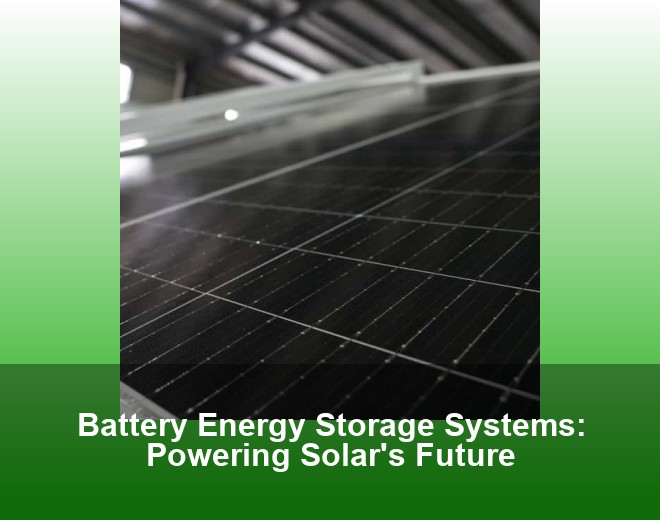
Ever wondered why solar panels sometimes underperform despite perfect sunshine? The answer lies in our inability to capture surplus energy effectively. In 2025, the global energy storage market is projected to reach $50 billion, with lithium iron phosphate (LFP) batteries leading adoption rates by 38% year-over-year .

Solar Batteries Centurion: Powering South Africa's Energy Future
You know that feeling when the lights flicker during load-shedding stage 6? Last month's 300+ hours of blackouts cost businesses R12 billion according to Naamsa. But here's the kicker - 78% of affected households still use traditional generators despite diesel prices hitting R25/liter. Why are we pouring money into 20th-century solutions?

Why Solar Shops in Bulawayo Are Powering Zimbabwe’s Energy Future
It’s 7 PM in Bulawayo’s bustling city center. Shop owners are manually counting cash under flickering candlelight while families huddle around dying phone screens. Sound familiar? For over 68% of urban Zimbabweans, daily power cuts aren’t just inconveniences—they’re economic handcuffs. The national grid’s instability has turned solar shops in Bulawayo from niche retailers to essential service providers.
Top Solar Companies Powering South Africa's Energy Future
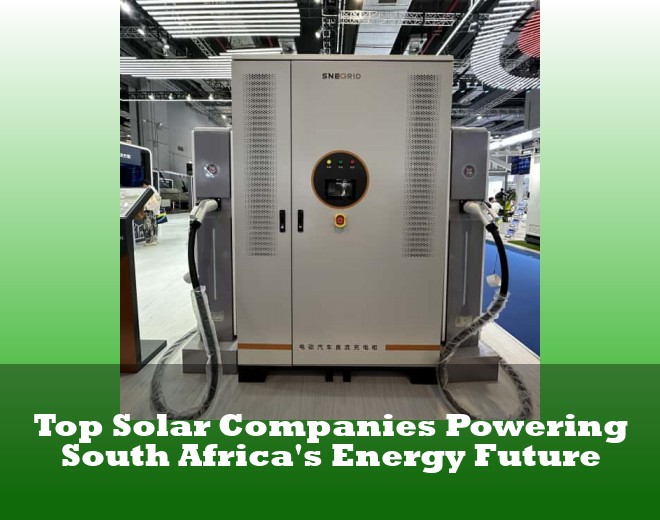
Let's face it – load shedding has become South Africa's unwanted national pastime. With over 280 days of power outages in 2024 alone, businesses are bleeding profits and households are scrambling for alternatives. But here's the kicker: while Eskom struggles to keep the lights on, the sun delivers enough daily energy to power the entire continent – if we could just harness it properly.
Solar Rooftop Revolution: Powering India's Energy Future
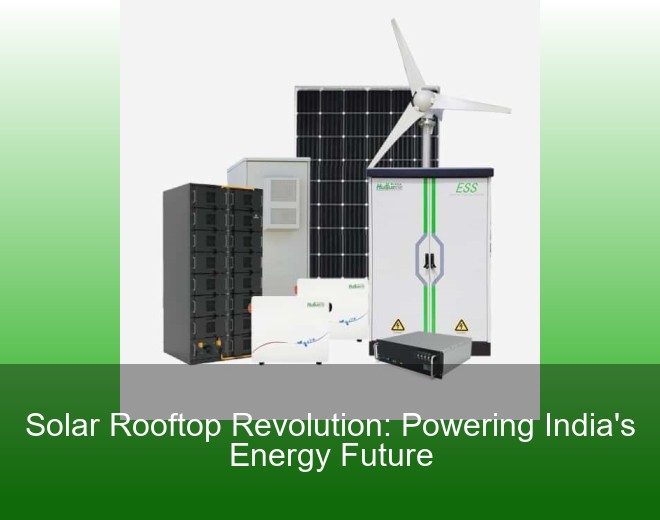
Did you know India loses over $86 billion annually due to power shortages? While the country's coal dependency continues, solar rooftop installations have quietly achieved 78% cost reduction since 2010. The math speaks volumes - every 1kW rooftop system can power 2 Indian households while reducing carbon emissions equivalent to planting 30 trees annually.
 Inquiry
 Online Chat