


BESS Applications: Powering Renewable Futures
Table of Contents
The Renewable Energy Paradox: Clean Power's Dirty Secret
You know how everyone's crazy about solar and wind these days? Well, here's the kicker – last month, California actually curtailed 1.8 million MWh of renewable energy because the grid couldn't handle the midday solar surge. That's enough to power 270,000 homes for a month! This isn't some isolated incident – Germany's grid operators reported 127 emergency interventions in Q1 2024 due to renewable volatility.
Battery Energy Storage Systems (BESS) are emerging as the Swiss Army knife for these challenges. Take Texas' massive 460MW BESS installation completed last month – it's already prevented three potential blackouts during April's freak hailstorm.
The Duck Curve Dilemma
Solar farms create this crazy demand-supply mismatch called the "duck curve" – production peaks when demand's low. Southern Spain's grid operators sort of stumbled upon a fix using BESS clusters, shaving peak demand charges by 40% through strategic energy time-shifting.
From Intermittent to Predictable: How BESS Tames Renewables
China's 2.2GW Ningxia solar farm paired with BESS achieves what engineers call "dispatchability" – their output now matches coal plants' predictability. The secret sauce? Machine learning algorithms that anticipate cloud movements 15 minutes ahead, coordinating battery response.
Microgrid Marvels
Puerto Rico's Humacao microgrid – powered by solar + BESS – kept hospitals running for 72 hours during Hurricane Fiona. The system's black start capability (rebooting without external power) has become the gold standard for island grids.
EV Fast Charging's Hidden Grid Demands
A Tesla Semi truck needs 1MW to charge – that's like adding 50 houses to the grid instantly! Electrify America's new Nevada station uses onsite BESS to draw power gradually while delivering instant charging. Their secret? Recycled EV batteries handling peak loads.
The Gas Station of Tomorrow
Shell's London "Energy Hub" prototype combines 20MW solar canopy with BESS, supplying both EVs and the grid. During February's cold snap, it actually sold power back to the National Grid at 8x normal rates.
Life-Saving Power: BESS in Critical Facilities
When Chicago's Mercy Hospital replaced diesel generators with BESS, they didn't just cut emissions – response time for backup power improved from 45 seconds to 20 milliseconds. That's faster than a hummingbird's wing flap! Their secret? Flywheel-BESS hybrids that bridge the gap until main batteries engage.
5G's Silent Energy Revolution
China Tower's 50,000 BESS-equipped 5G stations have created an accidental virtual power plant. During July's heatwave, they supplied 230MWh to overloaded grids – all while maintaining network uptime.
Edge Computing's Power Partner
Amazon's new Mumbai data center uses BESS for both backup and daily load shifting. Their "peak shaving" algorithm reduced grid demand charges by 62% – savings that make CFOs do double takes.
As we approach the 2025 renewable targets, one thing's clear – BESS isn't just supporting the energy transition. It's rewriting the rules of how we produce, store, and consume electricity. From hospital basements to solar farms, these silent power managers are becoming the unsung heroes of our electrified world.
Related Contents
BESS Monitoring: Powering Renewable Futures
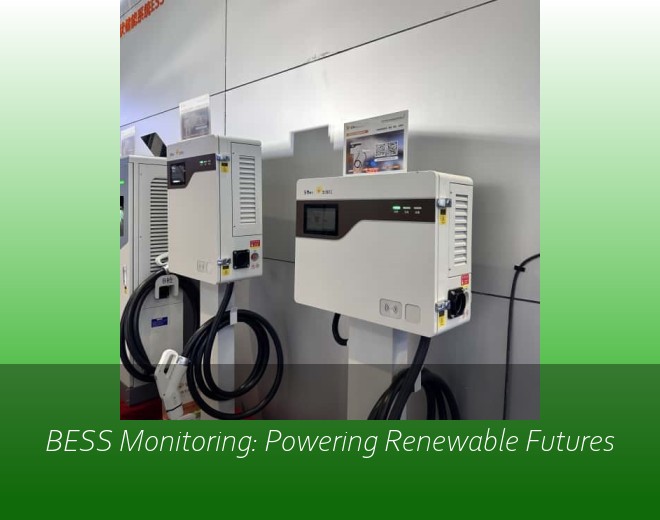
California's 2024 summer blackouts left 150,000 homes powerless despite having Battery Energy Storage Systems installed. Why? Outdated monitoring couldn't predict thermal runaway in 12% of battery racks. This isn't isolated – Australia's Hornsdale Power Reserve initially lost 23% capacity within 18 months due to uneven cell degradation.
BESS Impianti: Powering Renewable Futures
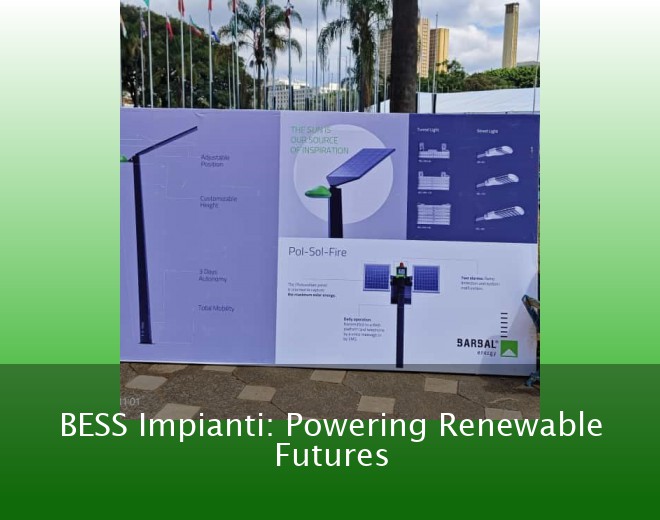
Ever wondered why Texas faced blackouts during 2021's winter storm despite having abundant wind power? The answer lies in our aging grid's inability to store surplus energy. With global renewable capacity projected to grow 60% by 2030 (IRENA 2023), Battery Energy Storage Systems (BESS) aren't just optional - they're the missing link in our clean energy transition.
BESS Inverters: Powering Renewable Futures
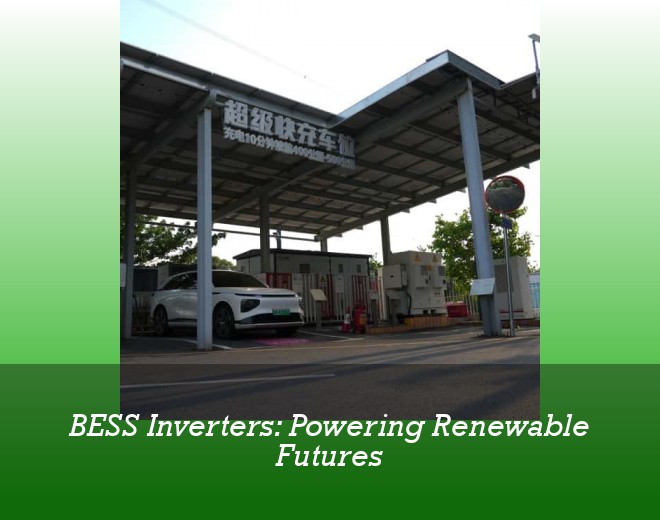
Ever wondered what makes modern battery systems actually useful? The unsung hero isn't the battery itself, but the BESS inverter that breathes life into stored electrons. These devices convert DC battery power into AC electricity we can actually use - and they're getting smarter by the month.
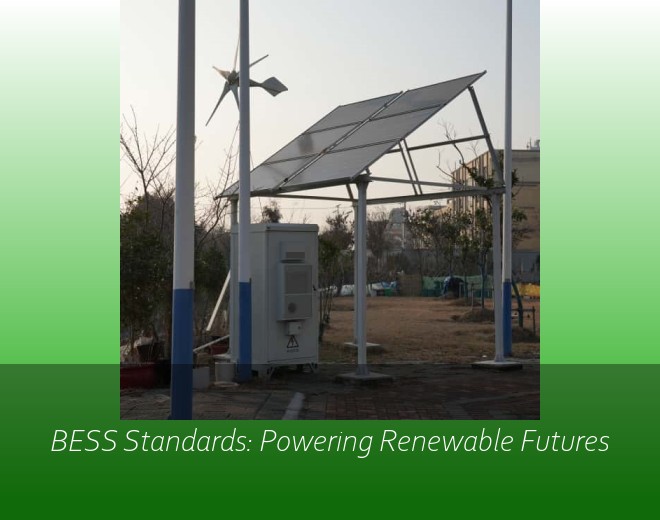
BESS Standards: Powering Renewable Futures
You know what's keeping solar developers awake? BESS voltage inconsistencies across installations. Last quarter's report from DNV GL revealed 43% of solar-plus-storage projects experienced performance drops due to mismatched battery bank voltages. We're talking about systems designed for 1500V DC suddenly interfacing with 1000V inverters - it's like trying to fit a European plug into an American socket!
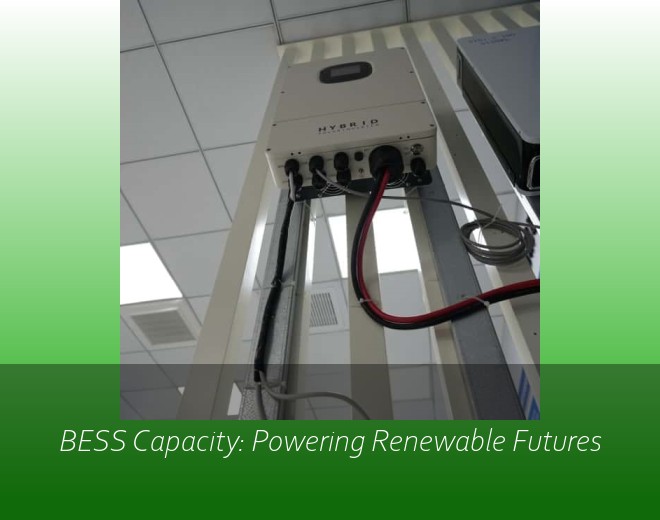
BESS Capacity: Powering Renewable Futures
You know that moment when your phone battery hits 1% during a storm warning? That's our power grids right now - desperately needing energy storage buffers as renewable adoption accelerates. The global BESS market's ballooning to $150 billion by 2030 , but here's the kicker: we're still storing less than 4% of generated solar energy.
 Inquiry
 Online Chat