


Solar Panels for 200Ah Battery Charging
Table of Contents
The 200Ah Battery Charging Challenge
You’ve probably found yourself staring at your off-grid power system, wondering why your batteries never seem fully charged. Let’s cut through the noise – calculating solar panel requirements isn’t about memorizing formulas, but understanding energy relationships.
Imagine this: Your neighbor installed eight 300W panels for their 200Ah battery bank, while your cousin swears by four 450W units. Who’s right? The truth lies in contextual energy calculus that accounts for real-world variables most guides overlook.
3 Critical Energy Variables You Can't Ignore
Battery chemistry plays dirty tricks on solar math. A lithium iron phosphate (LiFePO4) battery delivers 90% usable capacity versus 50% for lead-acid types. Translation: Your panel count could vary by 40% based solely on battery technology.
Let’s break down the actual energy requirements:
| Battery Type | Usable Energy (200Ah @12V) |
|---|---|
| Flooded Lead Acid | 1.2kWh |
| AGM | 1.44kWh |
| LiFePO4 | 2.16kWh |
Practical Calculation Framework
Here’s where most tutorials fail – they assume perfect conditions. In Montana’s December gloom, solar panels might yield 1.5 peak hours versus Arizona’s 5.5 hours. That’s a 367% difference in daily energy harvest!
The military-grade calculation method:
- Determine daily load: 200Ah × 12V = 2.4kWh (lead acid)
- Account for losses: 2.4kWh ÷ 0.85 (inverter) ÷ 0.95 (wiring) ≈ 3kWh
- Divide by local peak sun hours: 3kWh ÷ 3.2h (national avg) = 937W
- Select panels: 937W ÷ 400W/panel = 2.34 → 3 panels
Wait, no – that’s assuming daily full recharge. What if you need weekend autonomy? Suddenly we’re talking 6-8 panels. See how context changes everything?
Beyond Basic Solar Math
Smart installers use MPPT charge controllers to squeeze 30% more juice from panels. But here’s the kicker: Oversizing your array creates morning charging advantages. My cabin’s 150% oversized system starts charging at dawn light levels that leave neighbors’ systems idle.
Consider these pro tips:
- Tilt angle optimization boosts winter yield by 40%
- Battery temperature compensation prevents undercharging
- Panel micro-inverters mitigate shading losses
When Theory Meets Reality
Take the Johnson farm in Minnesota – they run a 200Ah lithium battery bank on four 450W bifacial panels. The secret? Snow reflection adds 18% winter output, while their ground-mounted array self-cleans. Contrast this with a Miami high-rise using six 350W panels battling elevator shaft shadows.
Final thought: Your perfect panel count emerges from honest site analysis, not generic formulas. What seasonal changes impact your location? Could panel orientation compensate for fewer modules? The answers await in your unique energy landscape.
Related Contents
Solar Panels for 24V Battery Charging
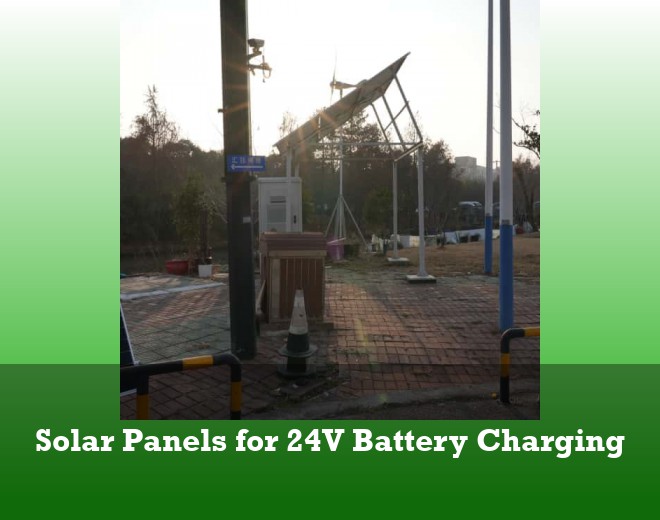
Let's cut through the technical jargon: 24V battery systems have become the gold standard for mid-sized solar installations. Why? Imagine trying to power your off-grid cabin with a 12V system – you'd need cables thicker than your thumb to handle the current. With 24V, we reduce energy loss by 75% compared to 12V systems while keeping components affordable.
Solar Panels for 315Ah Battery Charging
Let's cut through the noise: charging a 315Ah battery isn't just about slapping on random panels. You know what's wild? A 2023 study found 68% of DIY solar users undersize their arrays by at least 30%. Why? They forget to account for... well, pretty much everything except basic amp-hour math.
Charging 100Ah Battery with 100W Solar Panels
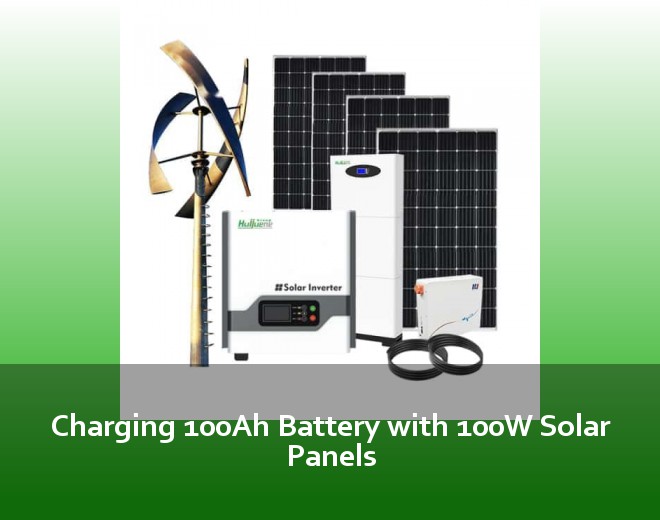
Let's start with a basic truth: A 100W solar panel doesn't deliver 100 watts consistently. You know how it goes - weather patterns, panel angles, and even dust accumulation can reduce output by 10-30% . For a 100Ah battery (typically 12V, storing 1.2kWh), you'd need proper sunlight exposure and system configuration.
Solar Panels for Bike Battery Charging
Ever found yourself stranded with a dead e-bike battery miles from a charging station? You're not alone. Urban cyclists and adventure riders alike face this modern mobility dilemma as electric bikes surge in popularity. But here's the kicker: standard charging methods still rely heavily on grid electricity, which often comes from non-renewable sources.
Charging a 100Ah Battery with Solar Panels: The Complete Guide
Ever wondered why your solar-powered battery system underperforms? Let's start with the fundamentals. A 100Ah battery stores 1.2kWh of energy (12V×100Ah), but here's the kicker – you'll need about 1.5kWh from solar panels to fully charge it due to efficiency losses.
 Inquiry
 Online Chat