


Distributed Energy Systems Revolution
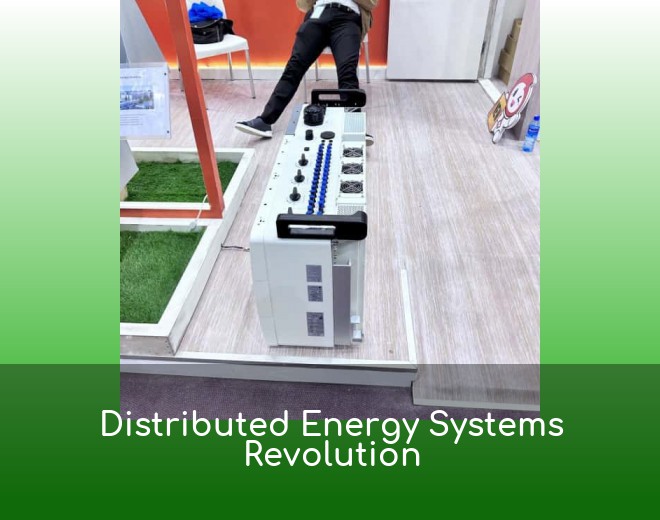
Table of Contents
The Energy Crossroads We Face
our aging power grids are creaking under pressure like an overloaded extension cord. Last summer's rolling blackouts in Texas proved that even energy superpowers aren't immune to collapse. But here's the kicker: demand for electricity is projected to triple by 2050 while we're supposed to be cutting emissions. How do we square that circle?
Enter distributed energy systems - the quiet revolution redefining how communities generate and consume power. Unlike the "all eggs in one basket" approach of centralized plants, these decentralized networks leverage solar panels, wind turbines, and battery banks working in concert. It's like swapping a monolithic desktop computer for a nimble smartphone ecosystem.
The Ticking Clock
California's recent mandate requiring solar + storage for new buildings isn't just progressive policy - it's a survival strategy. The state's grid survived 2023's heat dome through distributed resources providing 12% of peak demand. Without these decentralized assets, whole neighborhoods would've gone dark.
Beyond Centralized Grids
Traditional grids are like water towers - efficient until the pipes burst. Distributed systems act more like underground springs, with multiple redundant sources. Germany's Energiewende demonstrates this beautifully: 46% of their 2023 electricity came from decentralized renewable sources, mostly owned by citizens and co-ops.
"The future isn't about bigger power plants - it's about smarter energy neighborhoods." - Dr. Lena Schmidt, Fraunhofer Institute
But wait - doesn't this sound chaotic? Actually, modern energy management systems (EMS) using AI coordination make these networks more reliable than centralized alternatives. They're like air traffic control for electrons, balancing supply and demand in real-time.
Storage: The Missing Puzzle Piece
Here's the rub: renewables are intermittent. How do we keep the lights on when the sun isn't shining? Battery storage systems have become the linchpin, with lithium-ion costs plummeting 89% since 2010. Tesla's Powerwall installations doubled last year alone, creating virtual power plants from suburban rooftops.
The Chemistry of Resilience
Flow batteries are emerging as the dark horse for grid-scale storage. Unlike their solid-state cousins, these liquid-based systems can scale indefinitely - imagine using abandoned oil reservoirs as giant batteries. China's Dalian Flow Battery Energy Storage Station already powers 200,000 homes for 24 hours straight.
When Theory Meets Practice
Let's get concrete. Brooklyn's Microgrid Project connects 56 buildings through a blockchain-powered local energy market. Participants trade solar credits peer-to-peer like Pokémon cards - except you're swapping kilowatt-hours instead of Charizards. This community-driven model reduced bills by 18% while cutting transmission losses.
Island Innovations
Tau Island in American Samoa went from diesel dependence to 100% solar + storage in 18 months. The result? Energy costs dropped from $0.54/kWh to $0.12 - and they've become a blueprint for 17 Pacific islands transitioning this year. Talk about punching above your weight!
Power to the People
Here's where it gets personal. My cousin in Ohio quit her corporate job to start a solar co-op. Last month, they flipped the switch on a 5MW shared array powering 800 homes. "It's not just about electrons," she told me. "We're rebuilding community through energy democracy."
This human element changes everything. When people become prosumers (producer + consumers), energy stops being a boring utility bill. It transforms into something you debate at backyard barbecues - "Should we add another wind turbine or invest in second-life EV batteries?"
The Road Ahead
Utilities aren't dinosaurs - many are evolving into grid orchestrators. Duke Energy's grid exchange platform now manages 1.2GW of distributed assets across six states. It's a delicate dance between legacy infrastructure and disruptive tech, but the momentum's undeniable.
As we approach 2025's global climate deadlines, distributed systems offer something rare - an actionable solution that scales from suburban homes to entire nations. The revolution won't be centralized, but it will be electrifying.
Related Contents
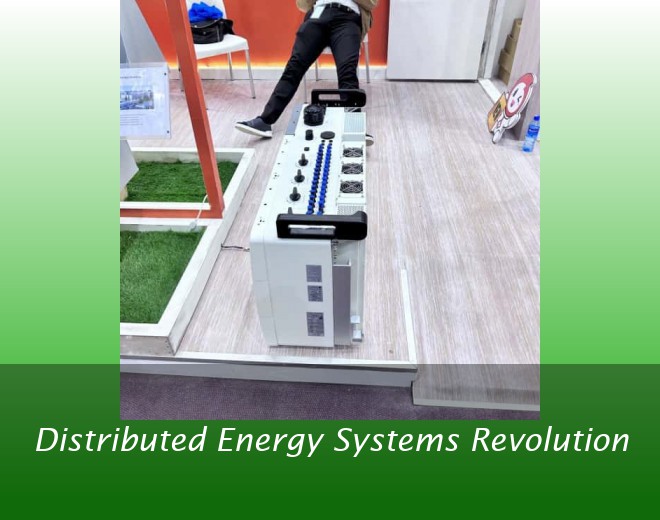
Distributed Energy Systems Revolution
our aging power grids are creaking under pressure like an overloaded extension cord. Last summer's rolling blackouts in Texas proved that even energy superpowers aren't immune to collapse. But here's the kicker: demand for electricity is projected to triple by 2050 while we're supposed to be cutting emissions. How do we square that circle?
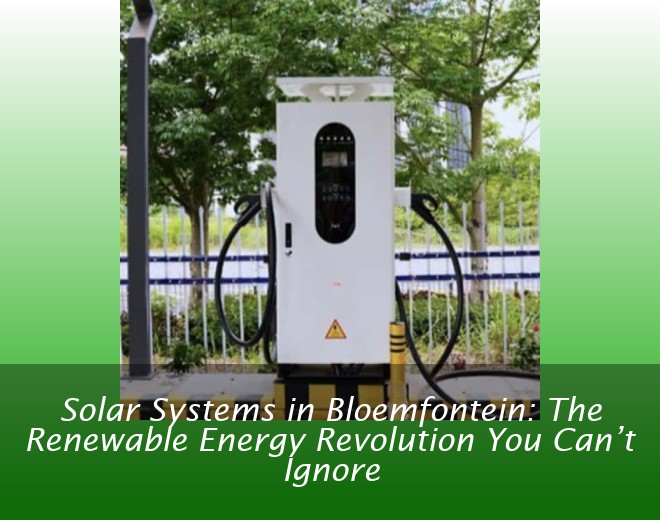
Solar Systems in Bloemfontein: The Renewable Energy Revolution You Can’t Ignore
It's 3 PM in Maselspoort, and the municipal grid just collapsed again. But down the road, the Van der Merwe family's lights stay on - their solar storage system quietly powers through the outage. This scene's becoming increasingly common as Bloemfontein embraces photovoltaic (PV) solutions to combat rolling blackouts.
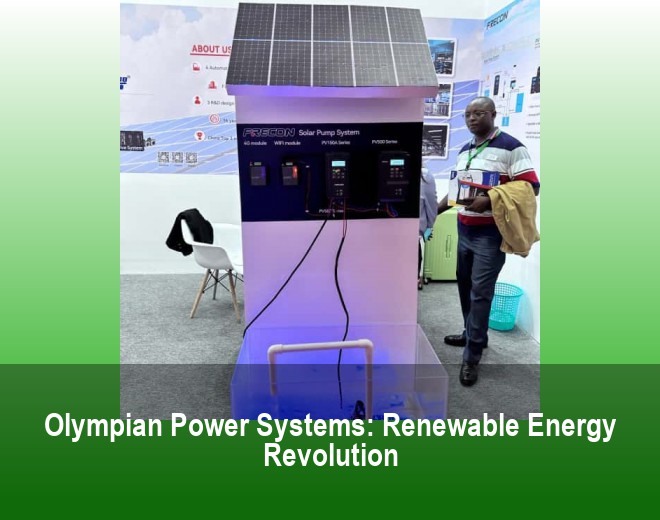
Olympian Power Systems: Renewable Energy Revolution
Last winter's Texas grid collapse left 4.5 million homes freezing in the dark - a brutal reminder that our renewable energy transition isn't just about saving polar bears. As we approach the 2024 hurricane season, utilities are scrambling for solutions that won't break the bank or the planet. Enter Olympian Power Systems' modular battery storage solutions, which reduced outage times by 73% during California's 2023 wildfire evacuations.
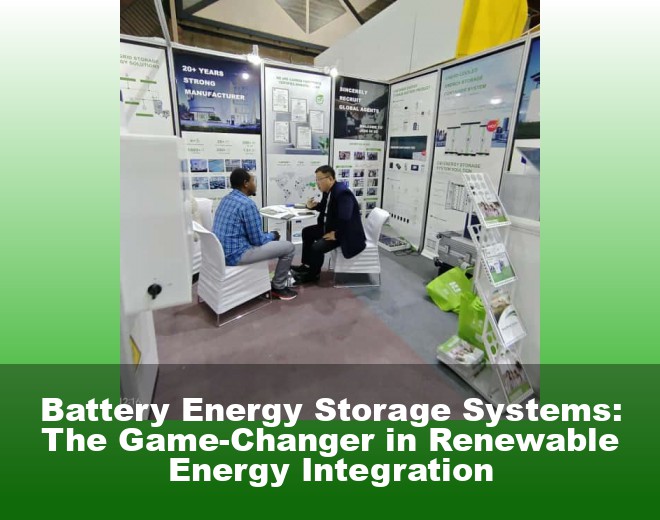
Battery Energy Storage Systems: The Game-Changer in Renewable Energy Integration
California’s grid operators watching helplessly as 300,000 MWh of solar power gets curtailed on a sunny afternoon—enough to power 90,000 homes for a day. Meanwhile, Texas households shivered through 2023’s winter storms despite having the nation’s largest wind power capacity. The culprit? A fundamental mismatch between when we generate renewable energy and when we actually need it.
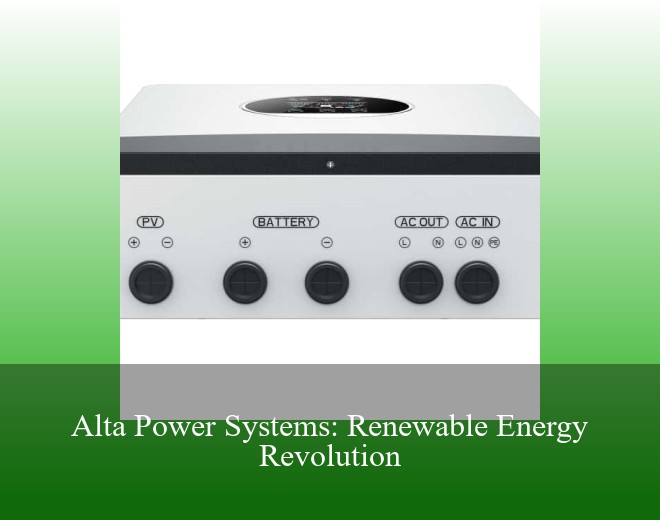
Alta Power Systems: Renewable Energy Revolution
Ever wondered why your electricity bill keeps climbing despite solar panel installations hitting record numbers? The dirty secret lies in our outdated grid infrastructure – a system designed for predictable coal plants, not the erratic dance of renewable energy. In 2023 alone, California's grid operators curtailed enough solar power during midday peaks to supply 800,000 homes. That's like pouring 2 million gallons of milk down the drain daily while supermarkets sit empty.
 Inquiry
 Online Chat