


Energy Storage and Power Management
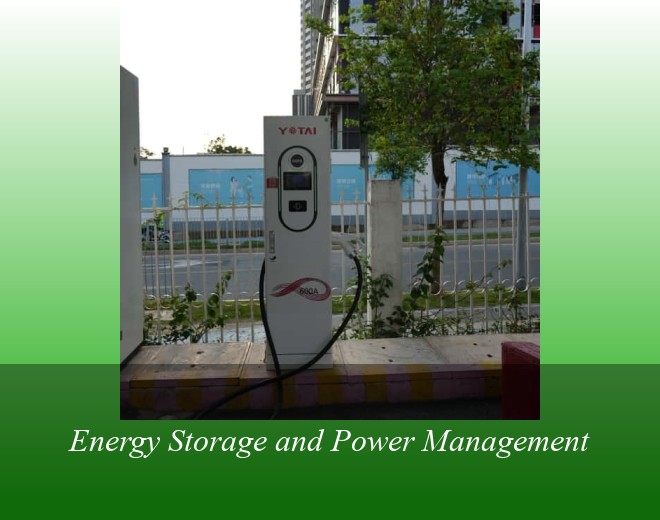
Table of Contents
The Silent Revolution in Energy Storage
You know what's wild? The sun doesn't shine at night, but your lights stay on. Wind farms sit idle on calm days, yet factories keep humming. This modern miracle hinges on our ability to store and release energy precisely when needed. But here's the kicker - global renewable capacity has grown 42% since 2020, yet energy storage systems only meet 15% of peak demand.
Last month in Texas, grid operators faced a nightmare scenario. Temperatures hit 104°F (40°C) during a wind drought. Without adequate storage reserves, they had to import power from three neighboring states. This isn't just about keeping AC running - it's about economic survival. A single hour of grid instability can cost manufacturers millions.
Beyond Lithium: The New Battery Storage Frontier
While lithium-ion dominates headlines, alternative chemistries are making waves. Take vanadium flow batteries - they've suddenly become cost-competitive thanks to Chinese mass production. A 200MW system in Hubei province can power 130,000 homes for 10 hours straight. But wait, isn't vanadium toxic? Actually, the electrolyte solution is completely recyclable, unlike traditional lead-acid systems.
Here's where it gets interesting. Startups like Form Energy are betting on iron-air batteries. These work by "rusting" iron particles to release energy, then reversing the process during charging. The kicker? Iron costs $0.12/kg versus lithium's $78/kg. Could this be the storage holy grail we've needed?
The Hidden Costs of Going Green
Solar panel prices have dropped 82% since 2010. But without proper storage, we're basically throwing away free energy. California's infamous "duck curve" shows solar farms routinely dumping excess power during midday peaks. Last quarter alone, the state wasted enough sunlight to power 750,000 EVs.
"Storage isn't just an accessory - it's the missing link in the renewable revolution."
- Dr. Elena Marquez, MIT Energy Initiative
When Theory Meets Practice: Storage Success Stories
Remember Hawaii's 2018 grid crisis? They've since installed the world's most distributed storage network. Over 85,000 Tesla Powerwalls now balance Oahu's grid, responding to demand fluctuations in milliseconds. The result? A 73% reduction in diesel backup usage.
But let's talk cold climates. Norway's Tromsø region uses abandoned mine shafts as gravitational storage. Massive weights get lifted during surplus periods, then lowered through regenerative brakes to generate power. It's sort of like a gigantic mechanical battery - no chemicals required.
The AI-Powered Energy Release Revolution
Modern storage isn't just about capacity - it's about intelligence. DeepMind's new GridOptix platform predicts demand spikes 36 hours in advance with 94% accuracy. In Germany, this tech helped avoid 12 potential blackouts during last winter's gas crunch.
your home battery communicates with neighbors' systems, creating a micro-trading network. During peak rates, 20 houses can collectively power a small factory. This isn't sci-fi - Brooklyn's LO3 Energy already runs such a blockchain-based exchange.
Storage Myths Debunked
"But aren't batteries terrible for the environment?" Let's break this down. A typical utility-scale battery offsets its manufacturing emissions within 18 months of operation. Compare that to coal plants which pollute indefinitely. Plus, 96% of lithium batteries get recycled in the EU versus just 15% of plastic waste.
Here's a shocker: the US has enough decommissioned EV batteries to store 12% of its daily electricity needs. Companies like B2U Storage Solutions are repurposing these for solar farms, extending battery life by 8-10 years. Talk about a circular economy!
The Human Factor in Energy Transitions
Admit it - we've all worried about blackouts during storms. Storage systems aren't just infrastructure; they're peace of mind. When Hurricane Ian knocked out Florida's grid last year, communities with Powerwall networks became emergency shelters. One Tampa Bay resident kept her dialysis machine running for 72 hours straight.
But there's a cultural shift happening too. Millennials are 3x more likely to invest in home storage than baby boomers. Maybe it's the "energy independence" appeal, or perhaps just good financial sense - stored solar power costs 8¢/kWh versus the national average of 16.6¢.
As we approach Q4 2023, watch for these trends:
- Solid-state batteries entering commercial production
- New federal tax credits for community storage projects
- AI-driven "predictive release" systems becoming mainstream
Storage at Scale: The China Benchmark
While Western nations debate permits, China's building gigawatt-scale storage parks. Their new 800MW Hainan facility uses floating solar panels above water reservoirs. The water cools panels for 12% efficiency gains while serving as pumped hydro storage. It's this kind of hybrid thinking that's pushing storage capabilities to new heights.
But let's not ignore the challenges. Supply chain bottlenecks have increased battery module costs by 17% this year. And skilled installers? There's currently a 58,000-worker shortage in the US alone. The solution might lie in robotic installation systems - Boston-based Veo Robotics just deployed its first autonomous storage deployment crew.
The Road Ahead: Storage Gets Strategic
Recent DOE reports confirm what industry insiders knew: energy storage and release capabilities now factor into national security assessments. Countries with advanced storage tech can withstand longer energy sieges during conflicts. It's no coincidence that NATO's 2023 summit included first-ever grid resilience workshops.
For homeowners, the equation's simpler. A typical 10kWh home system pays for itself in 6-8 years through bill savings and grid services. But here's the kicker - these systems increase property values by 4.1% on average according to Zillow's latest data. Suddenly, batteries look better than granite countertops.
As the sun sets on fossil fuels, one truth emerges: the future belongs to those who can store tomorrow's energy today. From iron-air breakthroughs to AI-managed microgrids, this silent revolution is rewriting the rules of power - literally. The question isn't whether to adopt storage tech, but how quickly we can scale solutions that keep our world running smoothly.
Related Contents
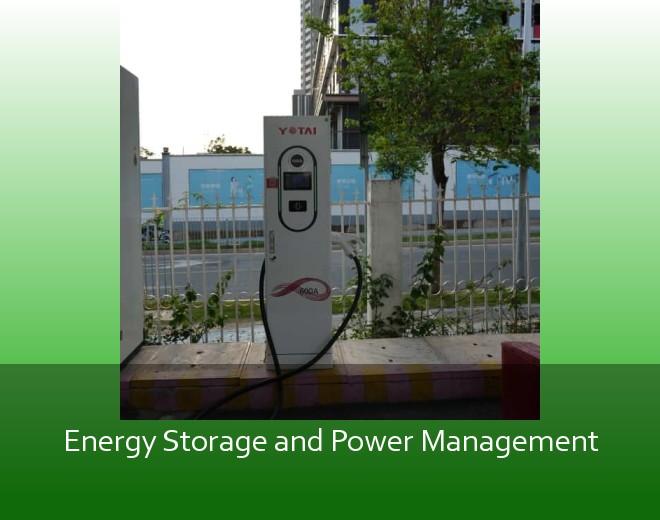
Energy Storage and Power Management
You know what's wild? The sun doesn't shine at night, but your lights stay on. Wind farms sit idle on calm days, yet factories keep humming. This modern miracle hinges on our ability to store and release energy precisely when needed. But here's the kicker - global renewable capacity has grown 42% since 2020, yet energy storage systems only meet 15% of peak demand.
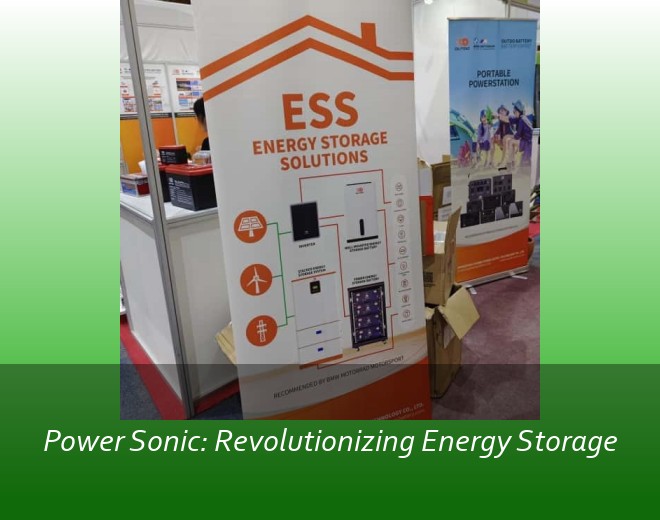
Power Sonic: Revolutionizing Energy Storage
You know how people keep talking about renewable energy saving the planet? Well, here's the kicker - we've sort of been putting the cart before the horse. Last month, Texas experienced rolling blackouts despite having enough wind turbines to power three mid-sized states. What gives? The dirty secret nobody's telling you: energy storage systems can't keep up with green power generation.
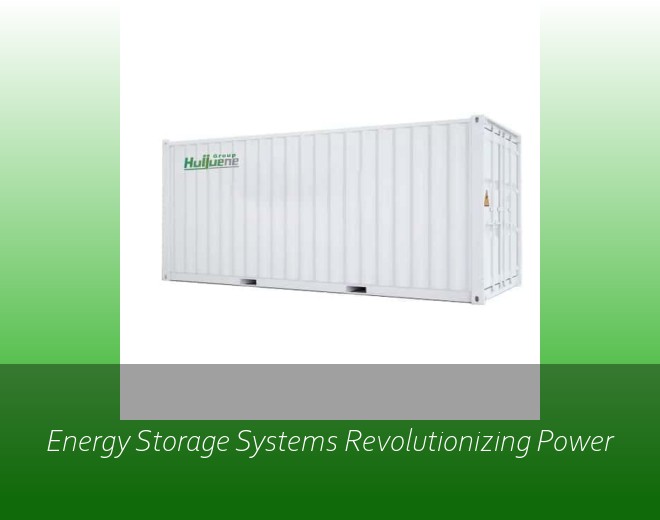
Energy Storage Systems Revolutionizing Power
You know how people joke about energy storage systems being the "holy grail" of renewable power? Well, that metaphor's becoming literal as grid operators scramble to prevent blackouts during extreme weather. California's 2023 heatwave saw battery storage facilities supply 10% of peak demand - a first in energy history.
Solar Energy Power: Storage Solutions
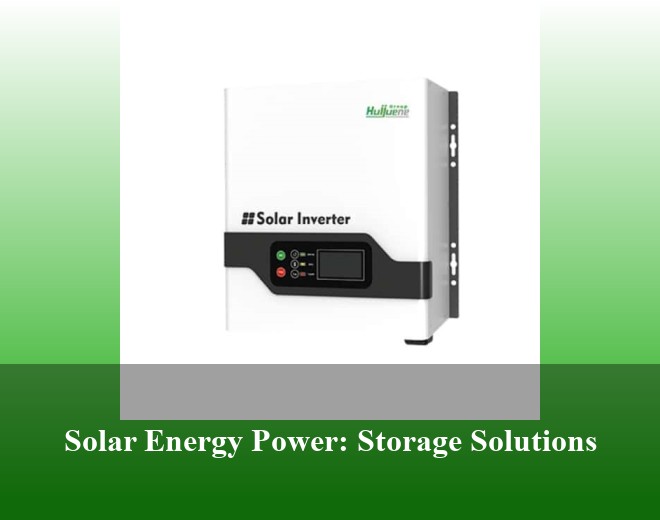
Let’s face it – solar panels have become the poster child for clean energy. But here’s the rub: What happens when clouds roll in or night falls? The harsh truth is that solar energy power systems without storage are like sports cars without fuel tanks – impressive until you need sustained performance.
Nectar Power System: Revolutionizing Energy Storage
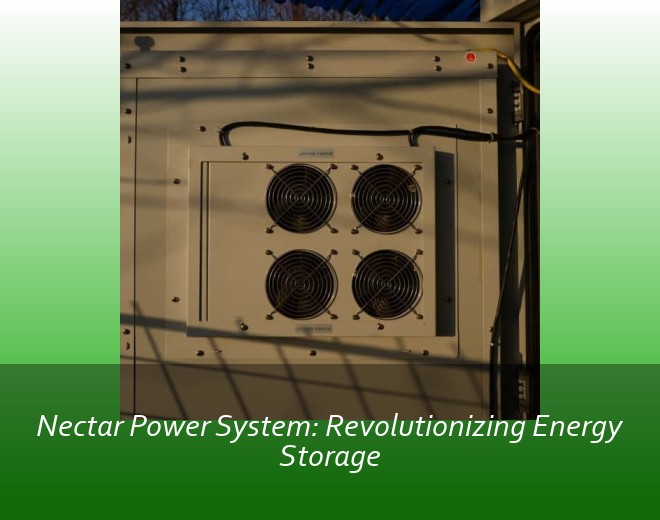
You know that sinking feeling when your phone dies during a blackout? Now imagine that happening to entire cities. As renewable adoption skyrocketed 93% last quarter, we've sort of created a monster - intermittency. Solar panels snooze at night, wind turbines yawn during calm days, and our aging grids? They're basically trying to drink from a firehose.
 Inquiry
 Online Chat