


10kVA Solar Systems: Powering Modern Energy Needs
Table of Contents
What Makes a 10kVA Solar System Unique?
Let's cut through the marketing fluff. A 10kVA solar system isn't just another generic power solution - it's the Goldilocks zone for medium-scale energy needs. You know, that sweet spot between undersized residential setups and industrial-scale behemoths. But here's the kicker: these systems can generate about 40-50 kWh daily, enough to power a small business or a large home with AC units running.
The Silent Energy Crisis You're Already Facing
Ever done the math on your electricity bills? The U.S. Energy Information Administration reports a 28% surge in commercial electricity prices since 2020. That's not just inflation - it's a structural shift. Traditional grid power is becoming like that unreliable friend who always shows up late...if at all.
It's August in Texas. The grid's straining under heatwave pressure again. But your neighbor with a 10kVA solar array? They're hosting pool parties while you're sweating over frozen pizzas. The writing's on the wall - distributed generation isn't just eco-friendly, it's becoming survivalist chic.
Breaking Down the 10kVA Solar System Anatomy
Let's geek out properly. A typical setup includes:
- 28-32 solar panels (depending on 330W vs 400W models)
- 5kW hybrid inverter with grid-tie functionality
- 20kWh lithium battery bank
- Smart energy monitoring system
But here's where it gets interesting. The latest 10kVA systems are ditching traditional string inverters for module-level power electronics. Translation? Each panel works independently, like a team of synchronized swimmers rather than a conga line. When clouds mess with one panel, the others keep performing at peak capacity.
Why Your Wallet Will Thank You in 3 Years
Upfront costs sting - we're talking $12,000-$18,000 installed. But let's play with numbers. For a California business facing $0.28/kWh rates:
| Annual consumption | 18,250 kWh |
| Yearly savings | $5,110 |
| Payback period | 3.2 years |
Now factor in the 30% federal tax credit and accelerated depreciation. Suddenly, solar becomes less about saving polar bears and more about CFO-friendly CAPEX decisions. But wait - there's a catch many overlook...
The Nuts and Bolts of Going Solar
Installation horror stories abound. A New Jersey school district learned this the hard way when their rushed solar rollout led to 23% underperformance. The culprit? Shading from a historic oak tree nobody considered.
Proper site assessment is everything. You'll want:
- 3D modeling of your property
- Historical weather pattern analysis
- Load profile mapping (when do you actually use power?)
And here's a pro tip: Insist on dual-axis trackers if space permits. They can boost output by 45% compared to fixed-tilt systems. Think of them as sunflower panels that actually follow the sun!
Beyond Panels: Where Solar Tech Is Headed
The industry's buzzing about perovskite tandem cells - they could potentially double panel efficiency. But let's be real: These won't hit commercial 10kVA solar systems until 2026 at earliest. More immediately useful? Smart inverters with automatic grid-forming capabilities.
Imagine your system detecting a blackout and seamlessly creating a microgrid for your neighborhood. It's not sci-fi - Hawaii's already testing this with 87% success rates. The future's bright, but you don't need to wait to start saving.
As we wrap up, remember: Choosing solar isn't just about kilowatts and payback periods. It's about energy independence in an increasingly chaotic world. Whether you're prepping for climate change or just tired of utility companies' rate hikes, a 10kVA system offers what money can't easily buy - peace of mind.
Related Contents
10kVA Solar Systems: Powering Modern Energy Needs
Let's cut through the marketing fluff. A 10kVA solar system isn't just another generic power solution - it's the Goldilocks zone for medium-scale energy needs. You know, that sweet spot between undersized residential setups and industrial-scale behemoths. But here's the kicker: these systems can generate about 40-50 kWh daily, enough to power a small business or a large home with AC units running.
Solar Grid-Connected Systems: Powering Modern Energy Needs
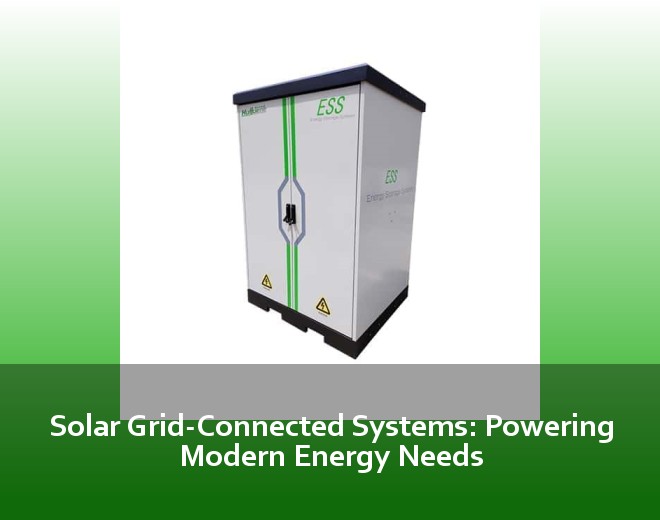
Did you know a single grid-connected solar system can power 20 households while reducing annual carbon emissions by 30 metric tons? As of March 2025, over 40% of new U.S. residential constructions now integrate photovoltaic (PV) systems with utility grids - a 15% increase from 2023.
Solar Panels: Powering Modern Energy Needs
traditional energy systems are kind of like fax machines in the smartphone era. Last month's heatwave across Southern Europe saw solar panel adoption spike 27% compared to 2023 averages. But why this sudden surge? Well, it's not just about being eco-friendly anymore.
Battery Inverter Solar Systems: Powering Modern Energy Independence
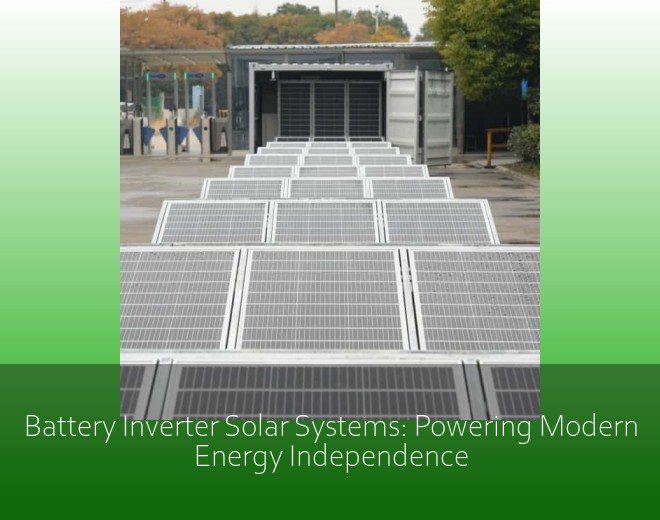
Ever wondered why your neighbor's solar panels keep working during blackouts while yours go dark? The secret sauce lies in their battery inverter solar system - a technological trio that's redefining how we harness sunlight. With grid reliability becoming as unpredictable as March weather (just look at Texas' 2024 ice storm outages), these systems aren't luxury items anymore - they're energy insurance policies.
80kW Solar Systems: Powering Mid-Scale Energy Needs
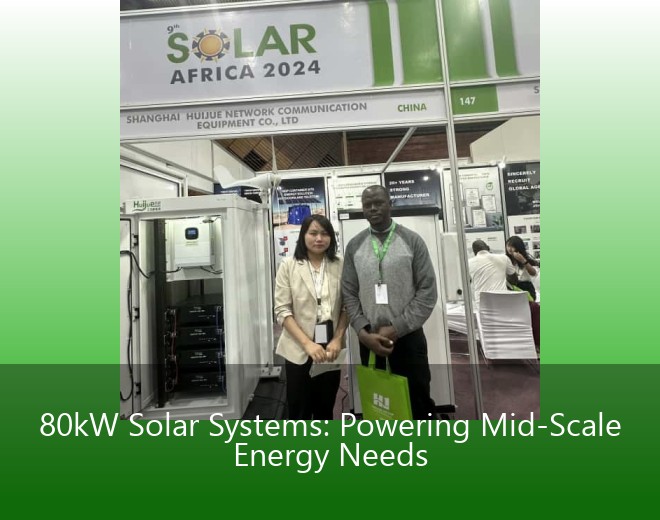
Let's cut through the jargon. An 80-kilowatt photovoltaic array isn't your neighbor's rooftop setup - it's the workhorse of commercial solar. 200-240 panels spread across a warehouse roof, quietly offsetting $9,000+ in monthly utility bills. But wait, no...actual savings depend on your local sun exposure and tariff rates.
 Inquiry
 Online Chat