


Battery Energy Storage Revolution
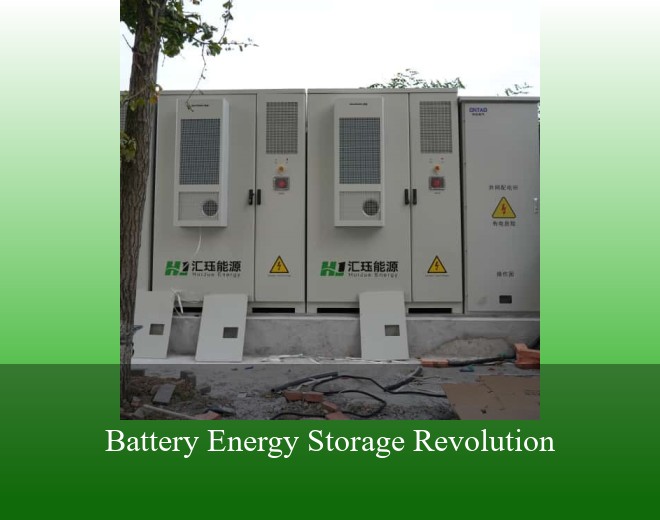
Table of Contents
When the Grid Fails: Our Energy Dilemma
California's rolling blackouts during the 2023 heatwave left 500,000 homes sweating in darkness. Meanwhile, Germany wasted 6.2 terawatt-hours of wind energy last winter because energy storage systems couldn't capture the surplus. This isn't just about flickering lights - it's a fundamental mismatch between how we make power and how we use it.
Traditional power grids operate like strict train schedules, demanding perfect alignment between generation and consumption. But renewable energy? Well, it's more like a moody artist - sometimes producing torrents of solar power at noon, then going quiet just as everyone turns on their air conditioning. The result? Utilities are stuck playing a multibillion-dollar guessing game.
The Duck Curve Nightmare
California's now-famous "duck curve" shows solar production peaking at midday while demand spikes at dusk. Without battery storage solutions, this imbalance could cost the U.S. energy sector $3.5 billion annually in curtailment losses by 2025. It's like growing a bumper crop of tomatoes only to let them rot because you can't find enough salad eaters at harvest time.
How Battery Storage Changes Everything
Here's where battery technology performs its magic trick. Modern lithium-ion systems can absorb excess renewable energy and release it precisely when needed. Tesla's Hornsdale Power Reserve in Australia - you know, the one Elon Musk promised to build in 100 days or it's free - has already saved consumers over $150 million in grid stabilization costs since 2017.
"Batteries aren't just backup power - they're becoming the Swiss Army knives of energy management." - Dr. Emma Richardson, MIT Energy Initiative
But wait, there's more. Advanced systems now offer:
- Sub-100 millisecond response to grid fluctuations
- 90%+ round-trip efficiency rates
- 15-year performance warranties
Storage Solutions in Action
Let's get concrete. In Texas' ERCOT grid, battery storage capacity jumped 800% since 2020. During Winter Storm Uri, these systems provided critical power when gas lines froze. One facility in Angleton kept 15,000 homes warm by discharging at 100MW for 4 hours straight - essentially becoming the biggest "generator" in the county during the crisis.
Island Energy Independence
Ta'u Island in American Samoa runs on 100% solar-plus-storage. Their 6MWh battery bank replaces 110,000 gallons of annual diesel consumption. You can actually hear the difference - no more generator hum, just waves and whispering palm trees.
Inside Modern Battery Systems
The latest flow batteries use liquid electrolytes that never degrade. China's Dalian Rongke Power installed a 200MW/800MWh system using vanadium redox technology. It's like having an energy lake you can keep topping up - the battery equivalent of those Soviet-era cameras that never break.
But sodium-ion batteries might be the real game-changer. CATL's new prototypes cost 30% less than lithium equivalents while using abundant table salt derivatives. They're already powering 5,000 electric buses in Beijing - though you wouldn't know it from the taste of the air (progress takes time).
Powering Your Living Room
Residential systems like Tesla Powerwall and SunPower SunVault are turning suburban homes into mini power plants. The Johnson family in Phoenix actually earned $2,300 last summer by selling stored solar power back to the grid during peak rates. Their secret? Timing energy trades like Wall Street day traders.
New bidirectional EV chargers take this further. Ford's F-150 Lightning can power a house for three days through its 131kWh battery. During California's blackouts, these trucks became mobile power banks - the automotive equivalent of those guys who always carry pocket knives and paracord.
The Payback Puzzle
While home systems typically show 7-12 year ROI timelines, new virtual power plants are changing the math. Vermont's Green Mountain Power offers $10,500 rebates for customers allowing grid access to their Powerwalls. Participants saved 75% on bills last year while helping stabilize regional grids - a rare win-win in energy economics.
As battery prices keep falling (they've dropped 89% since 2010), even skeptics are taking notice. The real question isn't "Can we afford storage?" but "Can we afford NOT to store?" After all, sunlight and wind are free - wasting them is like throwing away birthday presents because you can't find wrapping paper.
Related Contents
Battery Energy Storage Revolution
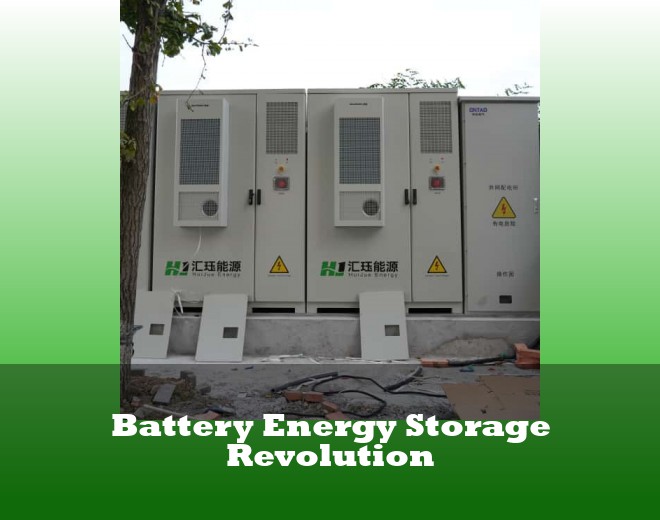
California's rolling blackouts during the 2023 heatwave left 500,000 homes sweating in darkness. Meanwhile, Germany wasted 6.2 terawatt-hours of wind energy last winter because energy storage systems couldn't capture the surplus. This isn't just about flickering lights - it's a fundamental mismatch between how we make power and how we use it.
Battery Energy Storage Systems Revolution
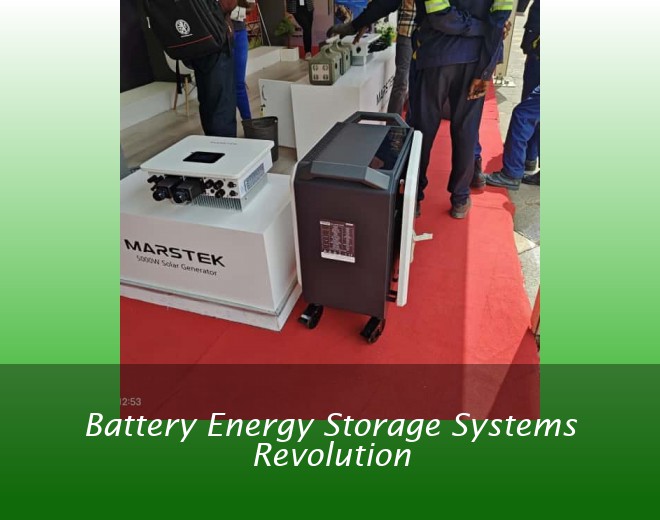
Ever wondered why your lights flicker during heatwaves? Battery storage systems could've prevented last month's Texas blackout that left 2 million without power. Our aging electrical grids are struggling with three existential threats:
Broken Hill's Battery Energy Storage Revolution
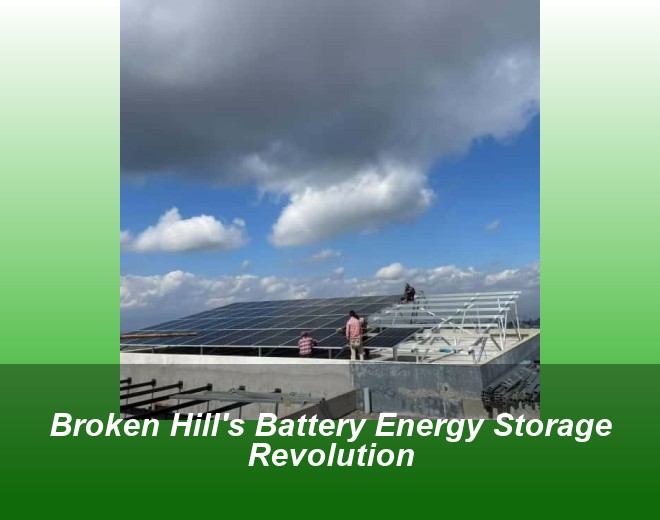
Broken Hill, New South Wales – a mining town turned renewable energy hub – faces a paradox. While its sunbaked terrain generates abundant solar power, weak grid connections force operators to curtail 40% of potential renewable output during peak production hours. Imagine harvesting rainwater only to watch it spill over a cracked bucket. That’s essentially what’s happening here with clean energy.
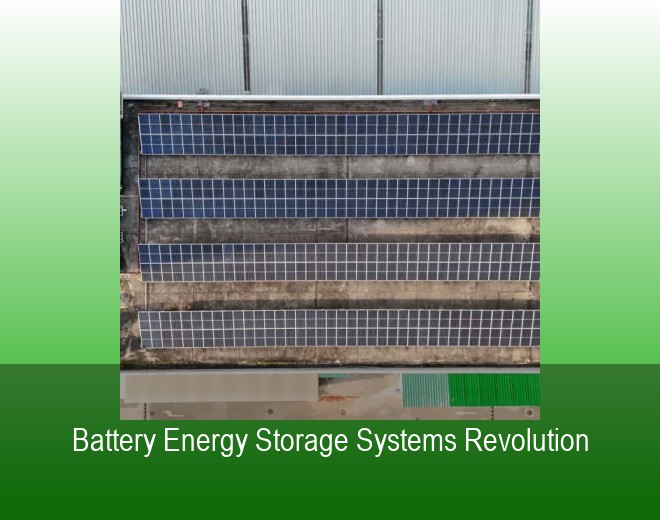
Battery Energy Storage Systems Revolution
You know how people keep talking about renewable energy? Well, here's the rub - solar panels don't work at night and wind turbines stand still on calm days. That's where battery storage systems become the unsung heroes of our clean energy transition. In 2023 alone, global deployments surged by 87% compared to pre-pandemic levels, according to BloombergNEF's latest report.
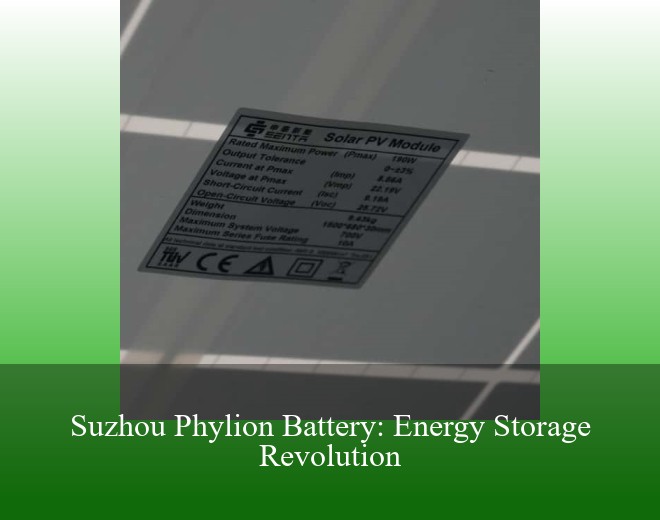
Suzhou Phylion Battery: Energy Storage Revolution
the renewable energy transition isn't just about generating clean power anymore. Energy storage systems have become the linchpin of our decarbonization efforts. As of Q1 2024, China's battery storage capacity reached 35.3GW, with Jiangsu Province accounting for 18% of national installations. But here's the kicker: 73% of solar projects now require integrated storage solutions to connect to the grid.
 Inquiry
 Online Chat