


BESS Manufacturing: Powering the Renewable Energy Revolution
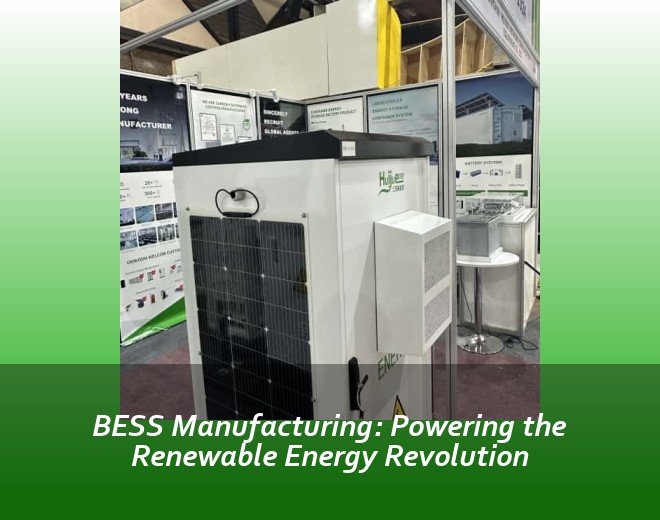
Table of Contents
The Growing Energy Storage Crisis
As global renewable energy capacity surges by 15% annually, we're facing an inconvenient truth - our grids weren't built for this revolution. Solar panels go dark at night. Wind turbines stall in calm weather. Battery Energy Storage Systems (BESS) manufacturing emerges as the missing puzzle piece in our clean energy transition, offering what I like to call "energy time travel" - capturing today's sunshine for tomorrow's Netflix binge.
Last month's grid instability incidents in California perfectly illustrate the stakes. When cloud cover suddenly reduced solar output by 40%, traditional peaker plants took nearly 9 minutes to respond - an eternity in grid terms. BESS solutions could've reacted in milliseconds.
The Cost of Doing Nothing
Utility companies report spending $50 billion annually globally on "grid band-aids" - temporary fixes for renewable intermittency. That's like paying for a full meal but only getting the garnish!
Why Current Solutions Fall Short
Traditional storage methods reveal stark limitations:
- Pumped hydro requires specific geography
- Compressed air systems lose 40-50% energy in conversion
- Flywheels struggle beyond 15-minute discharge durations
Here's the kicker: Lithium-ion BESS manufacturing achieves 92-95% round-trip efficiency while fitting into standard shipping containers . It's like comparing a horse-drawn carriage to a Tesla - both move goods, but one clearly belongs to the future.
How BESS Manufacturing Bridges the Gap
The secret sauce lies in three manufacturing breakthroughs:
1. Modular Architecture
Modern battery storage solutions use stackable units resembling LEGO blocks. This allows utilities to start small (500 kWh) and scale exponentially - crucial for risk-averse energy providers.
2. Thermal Management 2.0
Remember last summer's battery farm fire in Arizona? New immersion cooling techniques reduce thermal runaway risks by 80% while boosting energy density .
3. Second-Life Battery Integration
Pioneers like Huijue Group now blend new and recycled EV batteries in BESS configurations. This cuts manufacturing costs by 30% while solving the looming e-waste crisis.
Real-World Impact: Case Studies in BESS Deployment
Let's examine two trailblazing projects:
Indonesia's Distributed Grid Revolution
Huijue's partnership with Arsari Group deploys BESS manufacturing solutions across 17,000 Indonesian islands . The 150MW system replaces diesel generators, reducing energy costs by 60% for remote communities.
Egypt's Solar-Plus-Storage Triumph
The Abydos expansion pairs 500MW solar with 300MWh BESS - Africa's largest such integration . During sandstorms (which reduce solar output by 70%), the storage system provides 8 hours of backup power.
Overcoming Challenges in Large-Scale Implementation
Even game-changing tech faces growing pains:
Supply Chain Realities
Lithium prices fluctuated 300% last year - enough to give any manufacturer whiplash. Diversifying into sodium-ion and flow batteries provides crucial stability.
Regulatory Hurdles
40% of U.S. states still classify BESS as "experimental technology." Industry leaders are pushing for standardized safety certifications to accelerate adoption.
The path forward? Continuous innovation in BESS manufacturing processes, coupled with bold policy moves. When a single storage system can power 10,000 homes for 6 hours, the stakes couldn't be higher - or the opportunities more exciting.
Related Contents
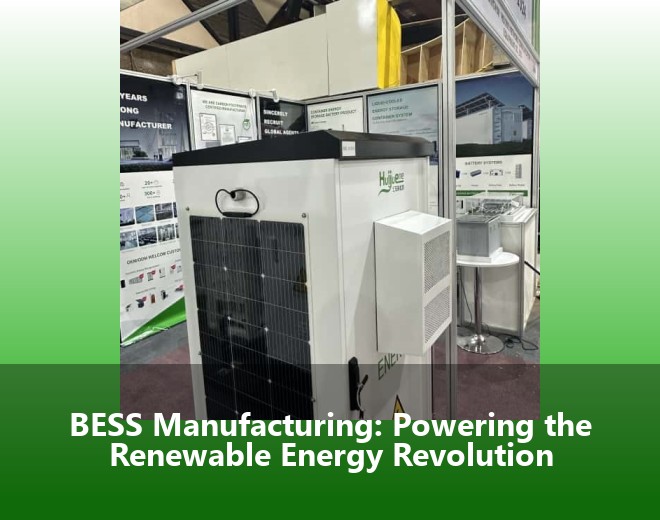
BESS Manufacturing: Powering the Renewable Energy Revolution
As global renewable energy capacity surges by 15% annually, we're facing an inconvenient truth - our grids weren't built for this revolution. Solar panels go dark at night. Wind turbines stall in calm weather. Battery Energy Storage Systems (BESS) manufacturing emerges as the missing puzzle piece in our clean energy transition, offering what I like to call "energy time travel" - capturing today's sunshine for tomorrow's Netflix binge.
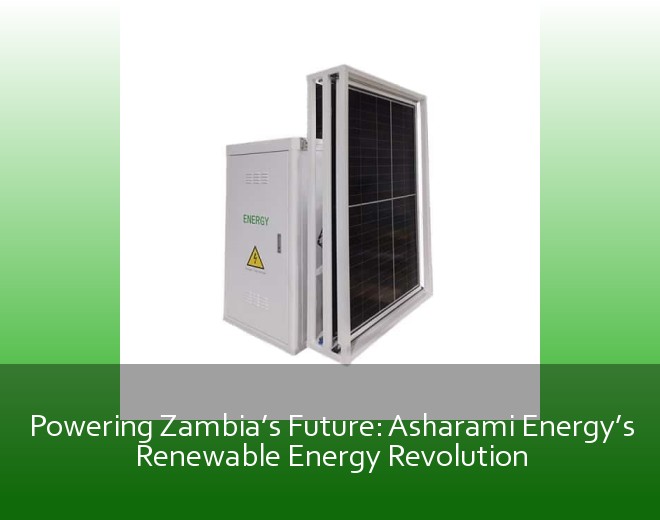
Powering Zambia’s Future: Asharami Energy’s Renewable Energy Revolution
Why has Zambia, blessed with 3,000 hours of annual sunshine, struggled to electrify 68% of its rural population? The answer lies in an outdated energy mix where hydropower dominates 85% of electricity generation – a precarious strategy in the face of climate change-induced droughts. Remember the 2019 power rationing that cost Zambia’s copper mines $300 million in lost production? That’s the canary in the coal mine.
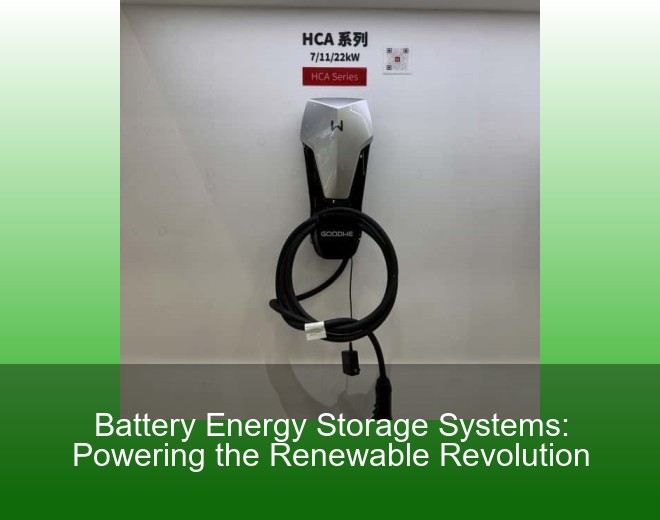
Battery Energy Storage Systems: Powering the Renewable Revolution
Ever tried charging your phone during a blackout? That's essentially the challenge facing renewable energy integration today. Solar panels sleep at night, wind turbines idle in calm weather - but our hospitals, factories, and homes need 24/7 power reliability.
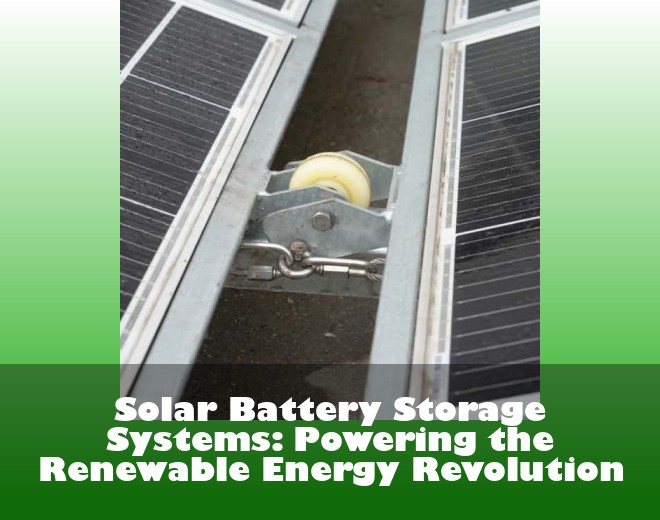
Solar Battery Storage Systems: Powering the Renewable Energy Revolution
Ever wondered why your solar panels sometimes feel like expensive roof decorations? Here's the kicker: 35% of solar energy generated globally goes to waste because we can't store it properly. That's enough to power all of South America for six months – gone. Poof.
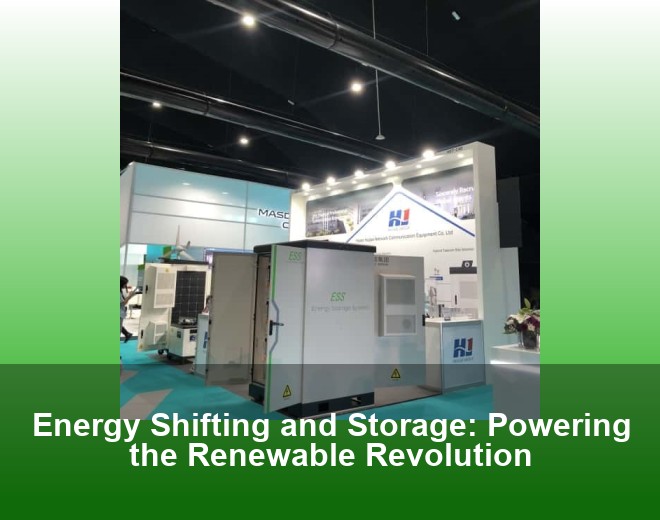
Energy Shifting and Storage: Powering the Renewable Revolution
Let's face it – our energy grids were built for fossil fuels. As renewable sources like solar and wind approach 30% of global electricity generation (up from just 8% in 2015), we're hitting a critical bottleneck. The sun doesn't shine on demand, and wind patterns change like mood swings. Without effective energy shifting solutions, clean power surpluses become wasted opportunities while energy shortages persist.
 Inquiry
 Online Chat