


Industrial and Commercial Energy Storage: Powering the Future
Table of Contents
Why Energy Storage Matters Now
Let's face it – our power grids weren't built for today's energy demands. With factories running 24/7 and office towers glowing like Christmas trees all night, industrial and commercial energy storage systems have become the unsung heroes of modern energy infrastructure. In 2023 alone, voltage fluctuations caused $4.7 billion in equipment damage across U.S. manufacturing plants. That's where battery systems step in, acting like shock absorbers for our creaky electrical grids.
Renewables add another layer of complexity. Solar panels go quiet at night, wind turbines stall on calm days – but businesses can't afford downtime. This mismatch explains why 68% of commercial solar projects now include storage solutions. It's not just about being green anymore; it's about staying operational.
Technology Breakthroughs Changing the Game
Three innovations are reshaping commercial battery storage:
- Lithium-ion batteries hitting $97/kWh (down from $1,100 in 2010)
- AI-driven battery management systems (BMS) extending lifespans by 40%
- Modular designs allowing capacity upgrades without system shutdowns
Take Huijue Group's latest installation at a Guangdong electronics factory. Their 800kWh system slashed peak demand charges by 62% – paying for itself in under 3 years. Now that's what I call a smart investment!
Real-World Success Stories
A major U.S. retailer recently deployed 150 storage units across its stores. During July's heatwave, these systems provided 18MW of backup power while earning $6,800 per site in grid services. Talk about having your cake and eating it too!
In the EU, steel plants are using thermal storage to shift energy consumption to off-peak hours. One German mill cut its annual energy bill by €2.3 million – equivalent to removing 850 cars from the road. These aren't pilot projects anymore; they're proven moneymakers.
The Rise of Smart Energy Management
Modern smart EMS platforms do more than just monitor battery levels. They:
- Predict energy pricing trends
- Automatically dispatch stored energy during peak rates
- Integrate with local utility programs
Huijue's cloud-based platform helped a Shanghai data center reduce its operating costs by 31% last quarter. The system even anticipates equipment maintenance needs before failures occur – sort of like a mechanic that texts you before your car breaks down.
What's Next for the Industry?
With global capacity projected to reach 700GW by 2030, the storage revolution's just getting started. Emerging technologies like iron-air batteries and thermal storage could slash costs another 50% by 2028. And let's not forget – as more companies adopt EVs for fleets, their charging depots become potential grid assets.
The writing's on the wall: businesses that embrace storage today will dominate tomorrow's energy landscape. Those dragging their feet? Well, they might find themselves paying competitors for the privilege of keeping lights on.
Related Contents
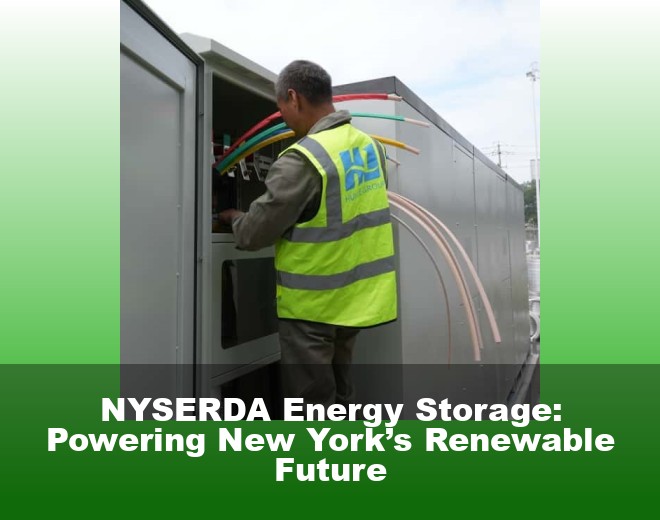
NYSERDA Energy Storage: Powering New York’s Renewable Future
You’ve probably heard New York’s aiming for 70% renewable energy by 2030. But here’s the kicker: energy storage systems aren’t just an optional accessory—they’re the linchpin making this transition possible. Let’s unpack why.
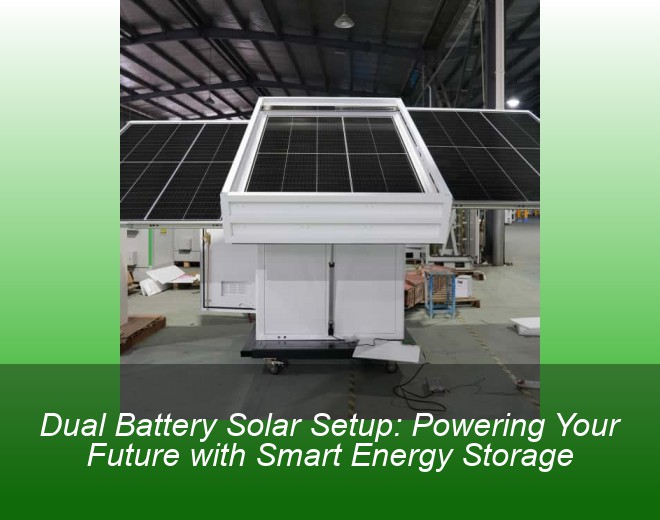
Dual Battery Solar Setup: Powering Your Future with Smart Energy Storage
You know what's worse than a blackout? Wasting solar energy you've already produced. While 68% of solar adopters report energy surplus, the harsh truth is most systems lose 20-30% of this bounty through inefficiencies. That's where a dual battery solar setup changes the game - it's like having both a checking and savings account for your electrons.
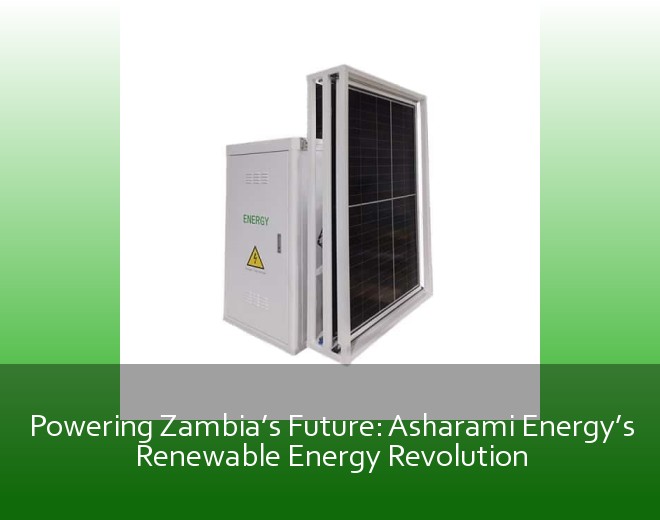
Powering Zambia’s Future: Asharami Energy’s Renewable Energy Revolution
Why has Zambia, blessed with 3,000 hours of annual sunshine, struggled to electrify 68% of its rural population? The answer lies in an outdated energy mix where hydropower dominates 85% of electricity generation – a precarious strategy in the face of climate change-induced droughts. Remember the 2019 power rationing that cost Zambia’s copper mines $300 million in lost production? That’s the canary in the coal mine.
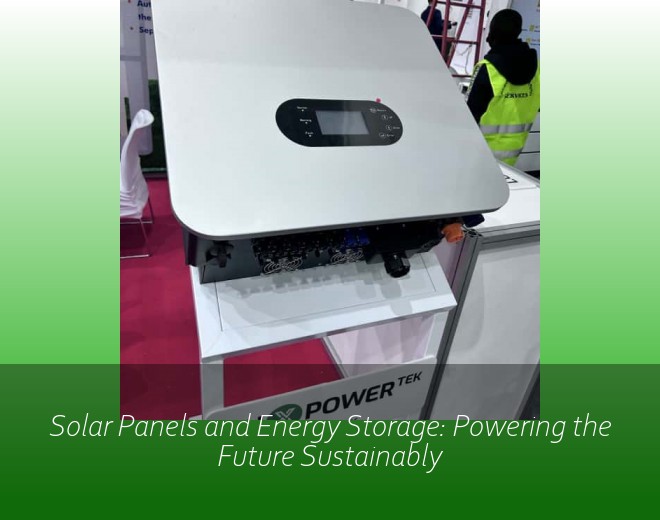
Solar Panels and Energy Storage: Powering the Future Sustainably
Ever wondered why solar panels haven't completely replaced fossil fuels yet? The answer lies in the inconvenient truth of energy intermittency. While photovoltaic cells can generate 20-22% efficiency in ideal conditions (about what you'd get from premium panels today), they can't produce electricity when it's cloudy or dark.
Solar Energy Storage Solutions: Powering the Future
We've all heard the numbers - solar installations grew 23% year-over-year globally in 2024. But here's the rub: 35% of new solar adopters still rely on diesel generators as backup. Why? Because intermittency issues remain solar's Achilles' heel.
 Inquiry
 Online Chat