


Unlocking Solar Power’s Full Potential
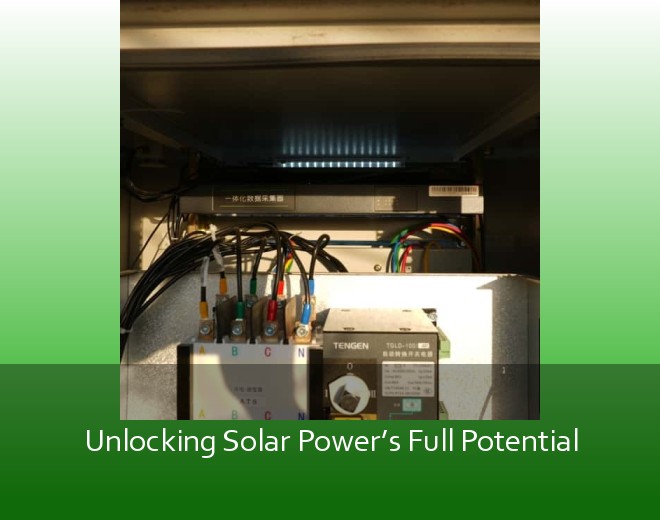
Table of Contents
Why Solar Energy Storage Matters Now
You know what’s wild? We’re currently wasting enough sunlight annually to power Europe twice over. The International Renewable Energy Agency reported last month that solar battery storage adoption jumped 89% since 2020, yet most homeowners still think Tesla Powerwalls are sci-fi tech. Here’s the kicker – California’s grid operators prevented 12 blackouts last summer solely through distributed storage systems.
The Duck Curve Dilemma
It’s 3 PM in Phoenix. Solar panels are cranking out juice, but demand’s low. By 7 PM when everyone’s blasting AC? Darkness. This mismatch – what grid operators call the “duck curve” – costs utilities $4 billion yearly in wasted renewable energy. Storage acts like a time machine for electrons, shifting surplus daytime power to peak hours.
Battery Storage Systems Demystified
Lithium-ion isn’t the only game in town anymore. Let’s break down the real contenders:
- Flow batteries (lasts 20+ years but costs $600/kWh)
- Saltwater systems (non-toxic but bulkier)
- Phase-change materials (stores heat as energy)
Wait, no – that last one’s actually thermal storage, not electrical. My bad. The point is, 2023’s storage landscape looks nothing like five years ago. Siemens Gamesa recently deployed a volcanic rock-based system in Germany that can power 3,000 homes for a week.
Home Solar Storage That Actually Works
Remember when residential batteries required a PhD to operate? The new Generac PWRcell automatically routes excess energy to your water heater first – smart prioritization that cuts bills 18% versus dumb systems. But here’s the rub: installation costs still vary wildly. A Texas homeowner paid $12k for a 10kWh system last month, while a comparable Florida install hit $18k due to hurricane-proofing requirements.
Real-World Payback Math
Let’s say you’re in Chicago with a 6kW solar array. Without storage, you’re selling back surplus at 7¢/kWh. Add a battery? Suddenly you’re avoiding 32¢/kWh peak rates. At current NEM 3.0 rates, that battery pays for itself in 6 years instead of 9. Makes you wonder why utilities are fighting so hard against storage mandates, doesn’t it?
How Grids Are Adapting (Finally)
Southern California Edison’s new virtual power plant aggregates 10,000 home batteries to function as a 250MW peaker plant. It’s not perfect – during January’s cold snap, some users couldn’t access their stored power when the grid claimed priority access. There’s growing tension between individual rights and collective needs in our energy storage transition.
Storage Myths You’ve Been Sold
“Batteries can’t handle winter!” Tell that to the Alaskan microgrid using organic flow batteries at -40°F. “Storage isn’t sustainable!” Redwood Materials now recycles 98% of battery components. The real unspoken issue? Legacy utility contracts that penalize storage adoption through demand charges and outdated rate structures.
But here’s a thought – what if storage becomes so ubiquitous that utilities pay us for grid-balancing services? Australia’s already testing this with their Distributed Energy Marketplace. Households earned A$753 last quarter simply for letting the grid tap their Powerwalls during congestion events.
The Copper vs. Software Race
Traditional utilities keep building more transmission lines (PG&E just proposed a $6 billion expansion). Meanwhile, software-first companies like Span.IO are proving that smarter solar storage management can defer 80% of grid upgrades. It’s infrastructure vs. intelligence – and the battleground is your breaker box.
At the end of the day, storage isn’t just about technology. It’s about reimagining our relationship with energy – from passive consumers to proactive participants. The tools exist. The economics are aligning. What’s missing? Maybe just the courage to disconnect from last century’s grid mentality.
Related Contents
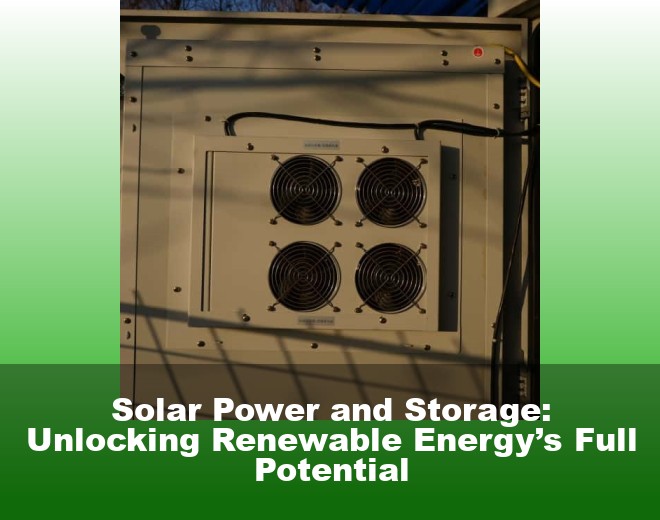
Solar Power and Storage: Unlocking Renewable Energy’s Full Potential
Let’s face it – our energy grids are creaking under pressure. With extreme weather events increasing by 18% since 2022 and electricity demand projected to double by 2040, something’s got to give. Traditional solar power systems, while cleaner than fossil fuels, still face the “sunset problem” – what happens when clouds roll in or night falls?
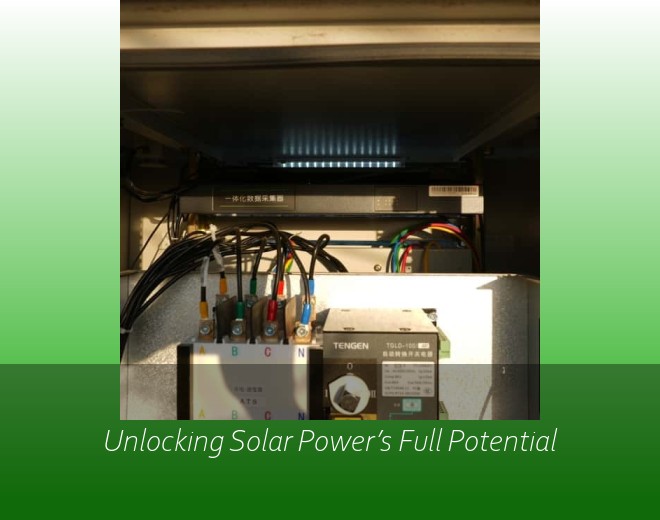
Unlocking Solar Power’s Full Potential
You know what’s wild? We’re currently wasting enough sunlight annually to power Europe twice over. The International Renewable Energy Agency reported last month that solar battery storage adoption jumped 89% since 2020, yet most homeowners still think Tesla Powerwalls are sci-fi tech. Here’s the kicker – California’s grid operators prevented 12 blackouts last summer solely through distributed storage systems.
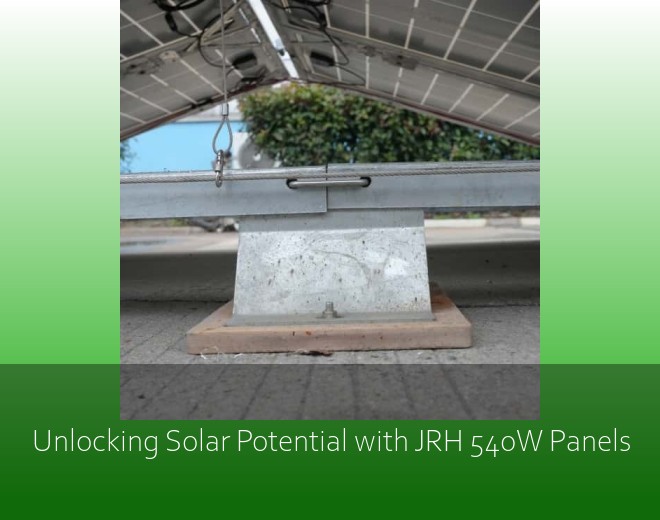
Unlocking Solar Potential with JRH 540W Panels
Ever wondered why solar installers are buzzing about 540W solar panels? The answer lies in America's accelerating energy transition. With utility prices jumping 13.7% year-over-year (Q1 2025 EIA data), homeowners and businesses need solutions that deliver more power per square foot.
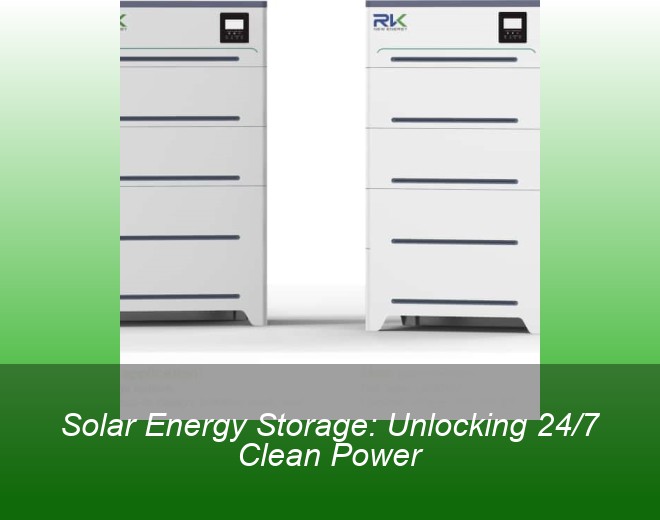
Solar Energy Storage: Unlocking 24/7 Clean Power
You know that feeling when clouds roll in during your picnic? That's exactly what happens with solar energy systems without proper storage. While solar panels convert sunlight into electricity beautifully during daytime, 78% of residential users report frustration with energy gaps at night according to 2024 grid data.
Unlocking Solar Potential with 1000Ah Batteries
Ever wondered why your solar panels still leave you sweating through blackouts? The bitter truth hits hard - we've been solving yesterday's energy problems with last-century battery tech. While solar panel efficiency jumped 40% in the decade before COVID, battery capacity only crawled up 12% in the same period. Talk about unbalanced progress!
 Inquiry
 Online Chat