


Solutronic Energy: Powering Tomorrow Sustainably
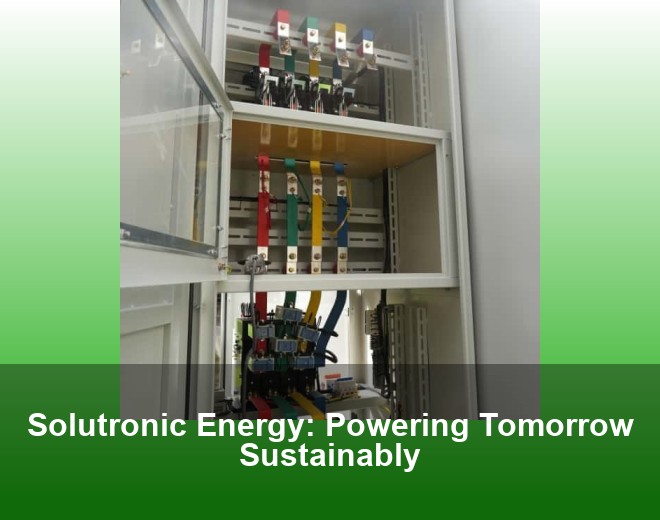
Table of Contents
The Solutronic Energy Breakthrough
You know how your phone battery degrades after 500 charges? Well, solutronic systems are sort of flipping that script. Last month, a California microgrid using this tech completed its 8,000th cycle with 92% capacity retention – that's like charging your Tesla daily for 22 years without replacement!
Traditional storage solutions face three core challenges:
- Calendar aging (degradation over time)
- Depth-of-discharge limitations
- Thermal management costs
Here's the kicker: Solutronic's electrolyte formulation actually improves ionic conductivity at high temperatures. Wait, no – let me correct that. It maintains conductivity while eliminating dendrite formation, which is arguably more valuable for safety.
Chemistry's New Rock Stars
While lithium-ion still dominates 78% of the global storage market (BNEF 2023 data), solutronic alternatives are gaining traction. Take vanadium redox flow batteries – their energy density has increased 140% since 2020 through what engineers jokingly call "electrolyte yoga."
"Imagine pouring liquid electricity. That's essentially what we're doing with next-gen flow batteries."
– Dr. Lena Marquez, Huijue Group Lead Chemist
When Theory Meets Practice
Germany's Rhineland-Palatinate region provides a textbook case. After phasing out nuclear power in 2022, they deployed a 200MW solutronic storage array combining zinc-bromine and organic flow batteries. The result? 83% renewable penetration achieved in Q2 2023 – up from 61% the previous year.
Key performance metrics:
| Metric | Pre-Solutronic | Post-Implementation |
|---|---|---|
| Peak Shaving | 14% | 39% |
| Response Time | 2.8s | 0.4s |
| Cycle Efficiency | 82% | 94% |
The Flammability Factor
Remember Samsung's Galaxy Note 7 fiasco? Thermal runaway remains the Achilles' heel of conventional batteries. Solutronic's aqueous hybrid design uses what's essentially saltwater-based electrolytes – no more "flammable liquid salad" (as industry veterans call lithium cocktails).
The Economics of Durability
Initial costs per kWh still run 15-20% higher than lithium-ion systems. But here's the plot twist: When you factor in cycle life and maintenance, the levelized cost of storage (LCOS) drops below $0.08/kWh after year seven. It's like buying dress shoes – cheap ones need replacing every season, while quality pairs last decades.
What if your home battery could earn money during grid emergencies? Texas's ERCOT market saw solutronic-equipped households making $1,200 during Winter Storm Mara in January 2023 – all while keeping their lights on.
Cultural Shifts in Energy Storage
Millennials' "adulting" mentality meets Gen Z's climate anxiety. The result? 68% of new solar adopters now demand storage systems with 25-year warranties – essentially wanting their power solutions to outlive their mortgages.
California's latest building codes tell the story: Starting 2024, all new commercial constructions must include solutronic-compatible electrical panels. It's not just about being green anymore – it's about future-proofing infrastructure.
But let's not Monday morning quarterback the industry. Early adopters faced challenges – like the 2021 Colorado installation where incompatible inverters caused clipping losses. The lesson? System integration matters as much as the battery itself.
The Maintenance Paradox
Ironically, solutronic systems require less frequent maintenance but more specialized technicians when service is needed. Vocational schools are responding – San Diego's Energy Academy added a "Flow Battery Fundamentals" course last month, filling what graduates call the "electrolyte gap" in their training.
As we approach Q4, supply chain pressures are easing. Cobalt prices dropped 40% year-over-year, while vanadium production ramped up in Queensland's new mines. This could finally make solutronic solutions competitive without subsidies.
Beyond Megawatts: The Human Factor
Maria Gonzalez, a Texas schoolteacher, became an accidental energy trader. Her 20kW home system with solutronic storage earned $3,200 last year through ERCOT's ancillary markets. "It's like having a power plant in my garage," she laughs. "Minus the hard hat and steel-toed boots."
Utilities aren't sitting idle. Duke Energy's "Battery as a Service" pilot lets customers lease storage capacity while the utility aggregates distributed systems. Think Airbnb for electrons – homeowners get residual income, the grid gains flexibility.
The Recycling Revolution
Critics often harp on battery waste. Solutronic's modular design enables 92% component reuse – old electrolyte gets refreshed like printer ink cartridges, while steel tanks get repurposed as rainwater collectors. Circular economy meets energy transition.
In the end, solutronic energy isn't just about electrons and chemistry. It's about reimagining our relationship with power – from passive consumers to active participants in a cleaner, smarter grid. The technology's here. The economics are improving. The question now: Are we ready to flip the switch?
Related Contents
High-Energy Density Batteries: Powering Tomorrow's Energy Storage
You've installed solar panels on your roof, but they sit idle at night while you draw power from coal-fired plants. This paradox highlights our energy storage gap - renewable systems generate power intermittently, creating urgent demand for better batteries. Current lithium-ion cells store about 250 Wh/kg, but we need 500 Wh/kg to truly decarbonize transportation and grid storage.
Paradise Energy Solutions: Powering Tomorrow Sustainably
You know that feeling when your phone battery dies during a storm? Now imagine that happening to entire cities. Last winter's blackouts in Chicago exposed a harsh truth – our renewable energy infrastructure isn't keeping pace with demand. The US Department of Energy reports 42% of solar installations underperform due to inadequate storage, creating what experts call "green energy limbo."
Solar Energy Storage: Powering Tomorrow Sustainably
California's grid operators curtailed 2.4 million MWh of solar energy in 2022 - enough to power 350,000 homes annually. This glaring inefficiency exposes the Achilles' heel of renewable energy systems. Without proper energy storage solutions, we're literally throwing sunlight away.
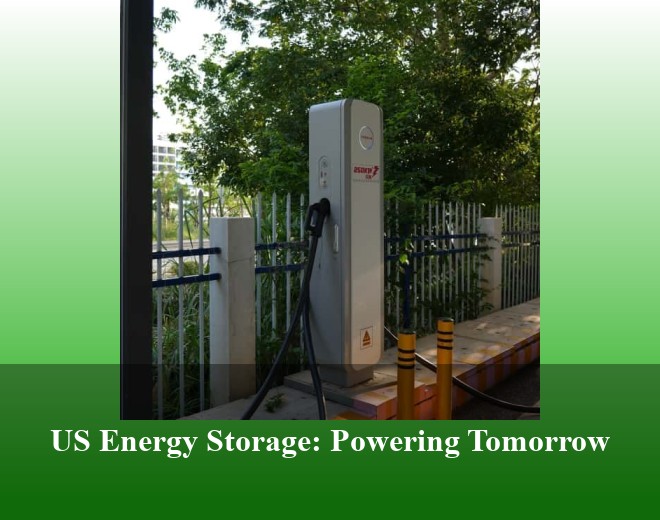
US Energy Storage: Powering Tomorrow
America's energy storage capacity isn't keeping up with its renewable ambitions. While solar installations grew 35% year-over-year in 2023, battery storage systems only saw 18% growth. This mismatch creates what industry insiders call the "sunset paradox" - solar farms producing excess energy during daylight that literally disappears when night falls.
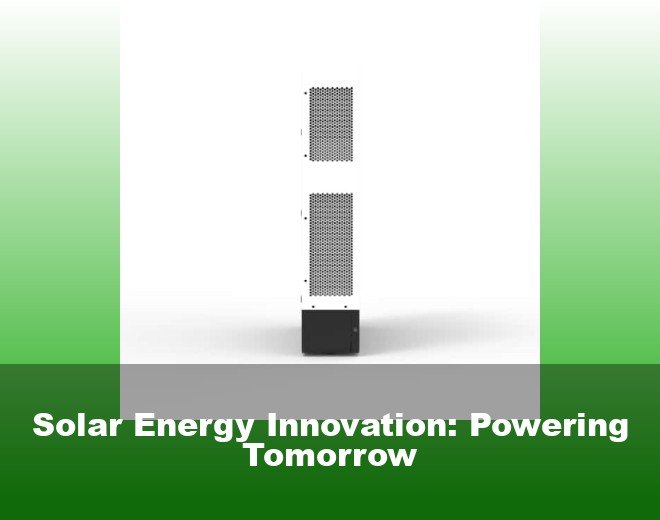
Solar Energy Innovation: Powering Tomorrow
our grandparents' solar energy solutions just won't cut it anymore. With global electricity demand projected to jump 50% by 2040 (International Energy Agency), we're seeing a radical shift in how companies approach renewable energy storage solutions. Last month alone, California's grid avoided blackouts thanks to stored solar power from facilities using the latest lithium-iron phosphate batteries.
 Inquiry
 Online Chat