


Lithium Solar Batteries Demystified
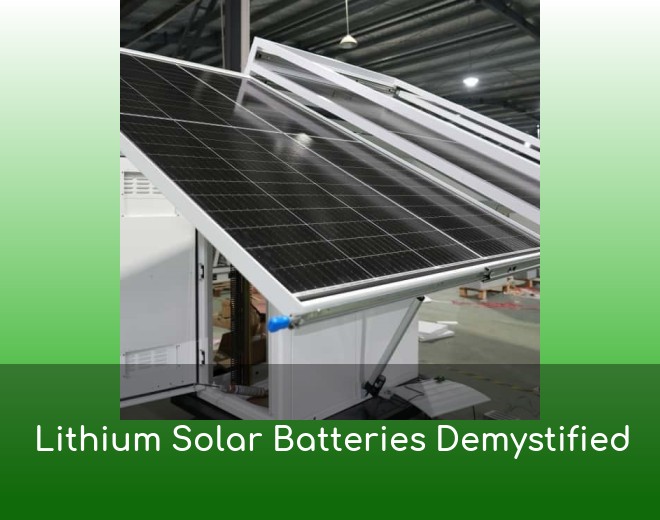
Table of Contents
The Lithium Revolution in Solar Storage
You know what's wild? Lead-acid batteries still power 38% of off-grid solar systems worldwide despite being about as efficient as a steam-powered smartphone. Here's the kicker – lithium solar batteries now deliver 95% round-trip efficiency compared to lead-acid's measly 80%. That missing 15%? That's literally money evaporating into thin air.
Last month, a Texas homeowner showed me their 2018 lead-acid system that couldn't even power their fridge during a 15-minute cloud cover. Switch to lithium-ion? Suddenly they're running AC units during blackouts. The difference isn't incremental – it's revolutionary.
What Makes Lithium Tick
Let's geek out for a second. The magic lies in lithium iron phosphate (LiFePO4) chemistry. Unlike your laptop's risky cobalt blend, these solar-optimized batteries:
- Withstand 6,000+ charge cycles (lead-acid croaks at 1,200)
- Operate at -20°C to 60°C without performance cliffs
- Self-discharge at just 3% monthly vs. lead-acid's 15%
But wait – there's a catch. Early lithium adopters got burned (sometimes literally) by thermal runaway. Modern battery management systems (BMS) now monitor individual cells 500 times per second. It's like having a digital guardian angel inside each battery pack.
When Lithium Saved the Day
Remember California's PSPS blackouts last October? San Diego's Mesa Verde community survived 72 hours off-grid using Tesla Powerwalls. Their secret sauce? Lithium-ion solar storage paired with smart load shedding.
"We powered medical devices and internet routers while neighbors scrambled for generators," said resident Maria Gonzales. "The system paid for itself in that single outage."
Commercial applications get crazier. A Chilean mine recently slashed diesel consumption by 89% using lithium batteries charged via solar-thermal hybrids. The ROI timeline? Under 3 years.
Pro Installation Hacks
Thinking about jumping in? Avoid these rookie mistakes:
- Never mix old and new battery banks (voltage sag city!)
- Always derate for temperature extremes
- Use UL-certified combiners (cheap breakers cause 23% of failures)
Here's a pro tip – lithium batteries hate being coddled. Unlike lead-acid needing babying at 50% discharge, lithium thrives when cycled down to 80% depth daily. It's the difference between marathon training and couch potato maintenance.
The Cost Paradox
Yes, lithium costs 3x upfront. But over 10 years? Total ownership drops 60% thanks to longevity and zero maintenance. It's like paying more for steel roofing instead of replacing shingles every hurricane season.
Funny story – last summer, an Alaskan lodge owner tried "saving money" with used lead-acid batteries. Two months later, replacement costs eclipsed lithium's price premium. Don't be that guy.
Future-Proofing Your Energy
With bidirectional EV charging coming online (Ford's F-150 Lightning proves this isn't sci-fi), lithium solar systems morph into grid assets. Imagine your home battery arbitraging energy prices automatically – charging when rates dip, powering your home during peaks.
Utilities are taking notice. Arizona's SRP now offers $500/kWh rebates for grid-tied lithium systems. Why? Because distributed storage prevents billion-dollar substation upgrades. Talk about a win-win.
As solar veteran Jake Remington puts it: "Lithium isn't just better tech – it's the missing link in the renewables puzzle." And honestly? After seeing systems withstand Category 5 hurricanes and polar vortices alike, I'm inclined to agree.
Related Contents
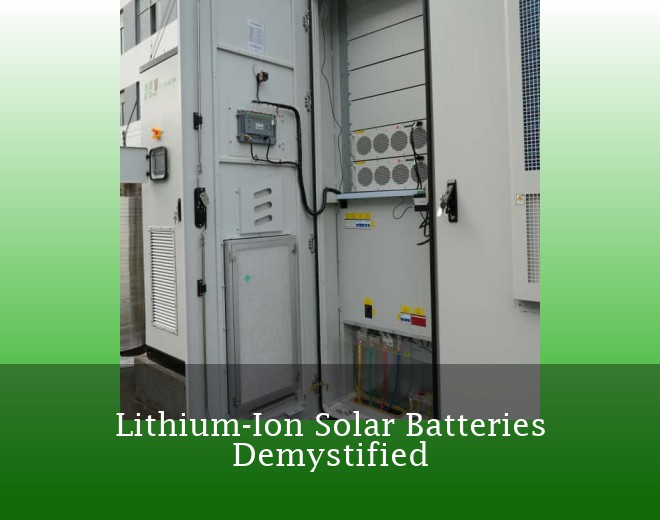
Lithium-Ion Solar Batteries Demystified
It's 3 AM during a blackout, but your fridge stays running and Netflix keeps streaming. That's the reality for over 2 million US households using lithium ion solar batteries for sale today. These compact powerhouses store 30% more energy than lead-acid alternatives while occupying half the space.
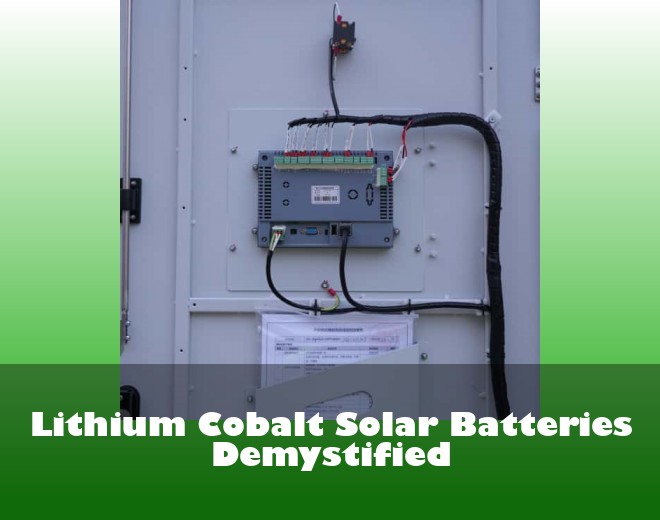
Lithium Cobalt Solar Batteries Demystified
You know how your smartphone lasts all day? Thank lithium cobalt oxide chemistry. This same tech now powers solar farms from Arizona to Zimbabwe. With energy density hitting 150-200 Wh/kg, these batteries store 40% more juice than standard lithium-ion cells. But wait, no – that's not the whole story.
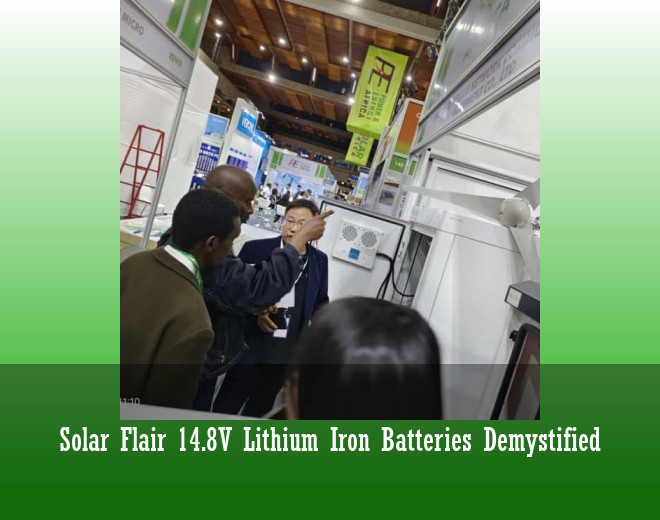
Solar Flair 14.8V Lithium Iron Batteries Demystified
You've probably heard about lithium iron phosphate (LiFePO₄) batteries, but the Solar Flair 14.8V variant brings something new to renewable energy systems. Unlike standard lithium-ion models that prioritize energy density above all else, this technology addresses three persistent pain points:
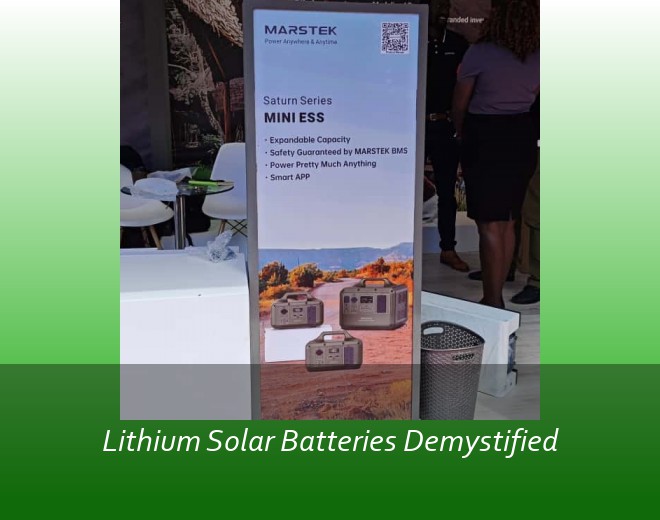
Lithium Solar Batteries Demystified
You know what's wild? Lead-acid batteries still power 38% of off-grid solar systems worldwide despite being about as efficient as a steam-powered smartphone. Here's the kicker – lithium solar batteries now deliver 95% round-trip efficiency compared to lead-acid's measly 80%. That missing 15%? That's literally money evaporating into thin air.
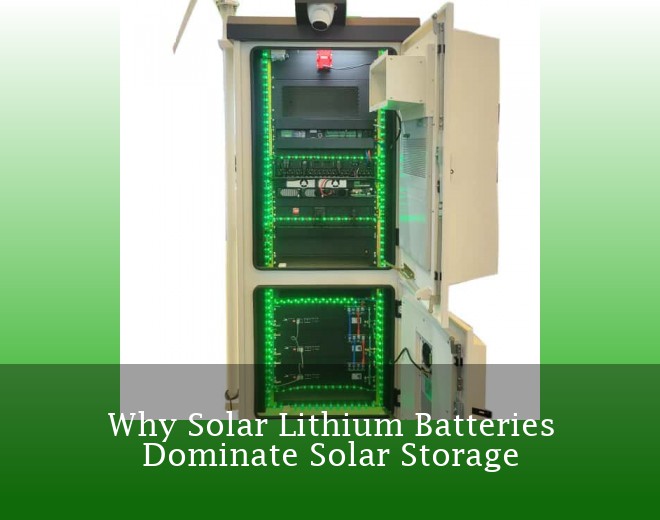
Why Solar Lithium Batteries Dominate Solar Storage
Let's face it – the solar industry's been stuck with lead-acid batteries since the 1970s. But here's the kicker: lithium batteries now power 68% of new solar installations globally. Why the sudden shift? Well, imagine trying to charge your smartphone with a car battery. That's essentially what we've been doing with solar systems using outdated battery tech.
 Inquiry
 Online Chat