


Sonnenschein Solar Batteries: Powering Sustainable Energy Solutions
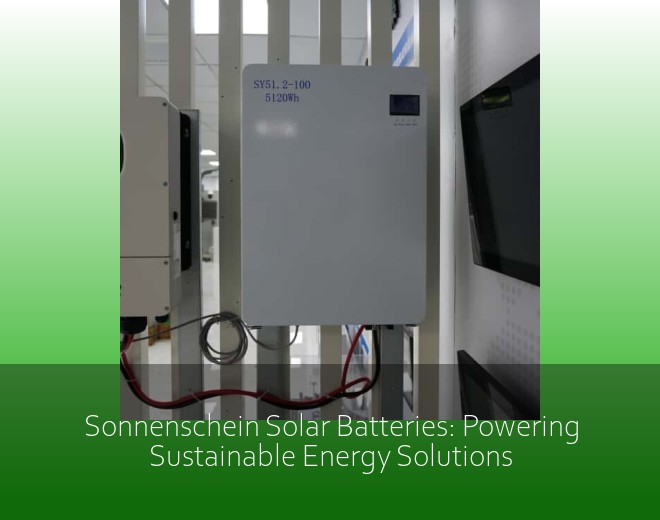
Table of Contents
Why Solar Batteries Matter Now
the global energy landscape's changing faster than a TikTok trend. With 68% of renewable energy projects now integrating storage solutions according to 2024 industry reports, solar batteries aren't just accessories; they're becoming the backbone of clean energy systems.
But here's the kicker: Not all batteries can handle the stop-start nature of solar energy capture. That's where specialized deep-cycle solar batteries like Sonnenschein's offerings separate themselves from consumer-grade power cells.
The Sonnenschein Innovation Edge
Sonnenschein's secret sauce? Their gel-based electrolyte technology. Unlike flooded lead-acid batteries that require maintenance, these maintenance-free units:
- Operate at 95% efficiency in temperatures from -20°C to 50°C
- Offer 3,000+ charge cycles at 80% depth of discharge
- Maintain stable voltage output even during partial charging
Just last month, a Bavarian microgrid project using these batteries weathered a 72-hour grid outage without dropping below 40% capacity. Now that's what I call reliability!
Real-World Performance in Extreme Conditions
A solar farm in the Sahara Desert where daytime temperatures hit 55°C. Standard lithium-ion batteries would throttle charging speed to prevent thermal runaway. But Sonnenschein's thermal management system allows full-power charging up to 60°C - a game-changer for desert solar installations.
Their corrosion-resistant plates deserve special mention. In coastal installations where salt spray destroys conventional batteries within 18 months, Sonnenschein units have clocked 5+ years of service with minimal capacity loss. Talk about building for the real world!
Future-Proofing Energy Storage
With the EU's new Battery Passport regulations taking effect in 2025, Sonnenschein's closed-loop recycling program positions them ahead of the curve. They're recovering 92% of battery materials for reuse - something competitors are still scrambling to achieve.
The bottom line? Whether you're powering a remote weather station or integrating with smart grid systems, these batteries deliver the flexibility modern energy systems demand. And with bidirectional charging capabilities coming in Q3 2024 models, they're ready to play nice with vehicle-to-grid (V2G) setups too.
So next time someone claims "all solar batteries are basically the same," you'll know better. The difference lies in engineering that anticipates real-world stresses while pushing sustainability boundaries. That's not just power storage - that's energy wisdom made tangible.
Related Contents
24-Volt Solar Batteries: Powering Sustainable Energy Solutions
You know what's keeping solar installers up at night? The 24-volt sweet spot in renewable energy systems. While 12V batteries dominated the market a decade ago, recent data shows 24V configurations now power 68% of new off-grid installations in North America. But why this shift?
180 Ah Solar Batteries: Powering Sustainable Energy Solutions
Solar energy adoption has surged by 48% globally since 2020, yet energy storage bottlenecks persist. Enter the 180 Ah solar battery—a game-changer balancing capacity and practicality. But what makes these batteries indispensable in modern solar setups?
48V Solar Battery Systems: Powering Sustainable Energy Solutions
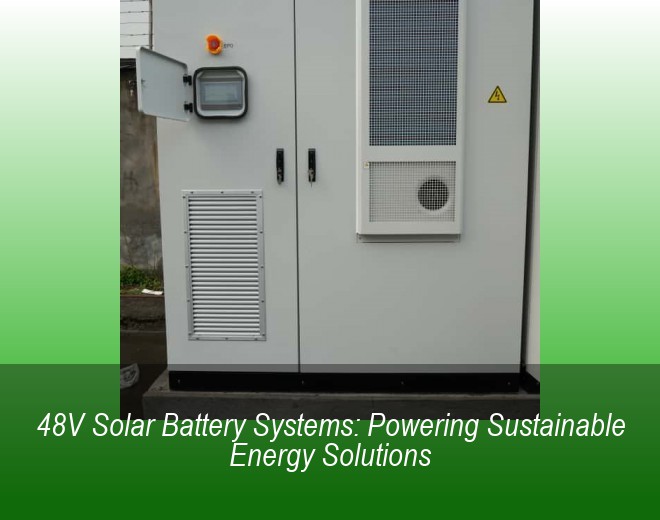
Ever wondered why major solar farms from California to Kenya are switching to 48V solar battery systems? The answer lies in their unique balance of power density and cost efficiency. Unlike traditional 12V or 24V setups, 48V configurations reduce energy loss by up to 70% during transmission – a game-changer for both residential and commercial installations.
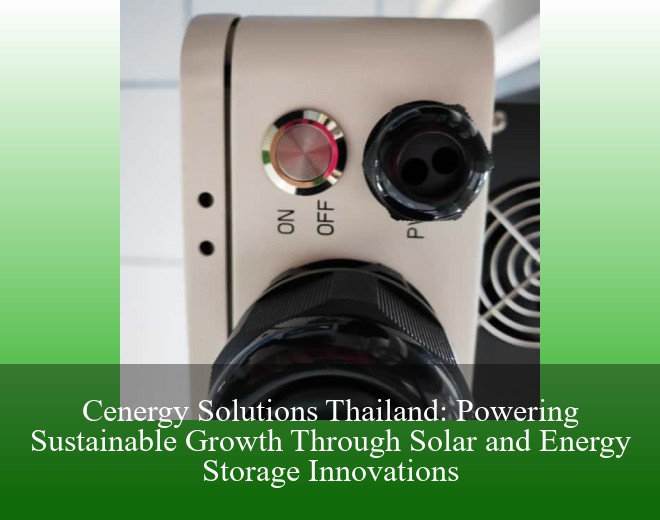
Cenergy Solutions Thailand: Powering Sustainable Growth Through Solar and Energy Storage Innovations
You know that feeling when your smartphone battery hits 5%? That's essentially Thailand's energy situation right now. The country's electricity demand grew 3.2% annually since 2020 while conventional power plants struggle to keep pace. Blackouts during peak hours have become sort of an unwelcome tradition in industrial zones.
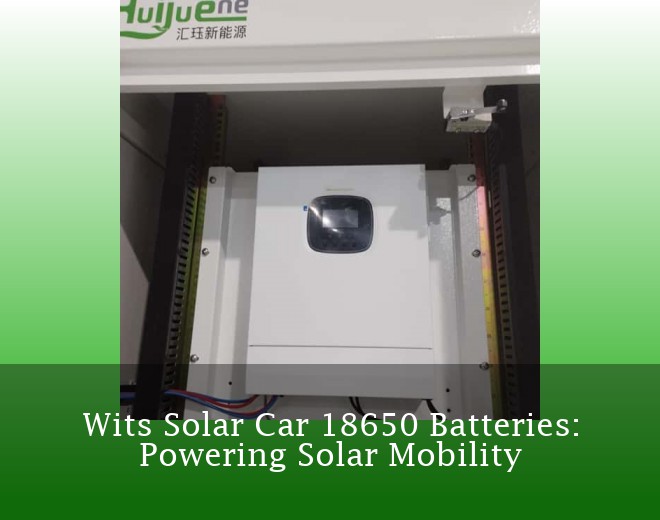
Wits Solar Car 18650 Batteries: Powering Solar Mobility
You know, when the Wits Solar Car team first considered battery options in 2023, they faced a $64,000 question: Why use 18mm-diameter cylindrical cells when newer pouch-style batteries offer higher capacity? The answer lies in a perfect storm of energy density (250-300 Wh/kg), proven thermal stability, and modular repairability – crucial when racing across Australia's 3,000km solar challenge.
 Inquiry
 Online Chat