


180 Ah Solar Batteries: Powering Sustainable Energy Solutions
Table of Contents
Why 180 Ah Batteries Are Revolutionizing Solar Storage
Solar energy adoption has surged by 48% globally since 2020, yet energy storage bottlenecks persist. Enter the 180 Ah solar battery—a game-changer balancing capacity and practicality. But what makes these batteries indispensable in modern solar setups?
Imagine a remote village in Indonesia where diesel generators once roared. Since adopting 180 Ah lithium-ion systems in 2024, they've achieved 90% energy independence. This isn't isolated—households using 180 Ah batteries report 30% fewer grid interruptions during monsoon seasons.
The Capacity Sweet Spot
Unlike smaller 100 Ah units that struggle with overnight loads or bulky 200 Ah systems requiring complex thermal management, 180 Ah batteries offer Goldilocks efficiency. Their 5-8 kWh storage range perfectly suits:
- 3-bedroom homes running AC units
- Small telecom towers
- Agricultural irrigation systems
Technical Innovations Behind High-Capacity Storage
Recent breakthroughs in lithium iron phosphate (LFP) chemistry have transformed 180 Ah batteries. Let's dissect the tech:
Core Components
| Component | Innovation | Impact |
|---|---|---|
| Cathode | Doped LFP nanostructures | 23% faster ion diffusion |
| Separator | Ceramic-coated polymer | Thermal runaway threshold +40°C |
During the 2025 Jakarta Battery Expo, Huijue Group demonstrated 180 Ah modules maintaining 95% capacity after 4,000 cycles—equivalent to 10+ years of daily use. That's like your smartphone battery lasting a decade!
Real-World Applications: From Homes to Grids
A hospital in Bavaria provides a textbook case. Their solar array paired with 180 Ah storage:
- Reduced diesel consumption by 12,000 liters annually
- Maintained life-support systems during 2024's winter blackout
- Cut energy costs by €18,000/year
But here's the kicker—when scaled across 100+ units, these batteries can stabilize municipal grids. Tokyo's pilot "solar neighborhood" uses interconnected 180 Ah systems to shave peak demand by 18 MW.
Overcoming Challenges in Solar Storage
No solution's perfect. Early 180 Ah adopters faced:
- Voltage drop during simultaneous charging/discharging
- Capacity fade below 0°C
The fix? Phase-change materials in battery cabinets that maintain optimal temperatures. A Canadian installer reported 22% winter performance gains using this approach.
Future Prospects and Market Trends
As EES Europe 2025 approaches, industry whispers suggest graphene-enhanced 180 Ah prototypes achieving 500 Wh/kg. While not yet commercial, this could revolutionize off-grid systems.
Meanwhile, recycling innovations promise to recover 98% of battery cobalt—a crucial step toward circular economies. Pair this with AI-driven battery management systems, and you've got storage solutions that actually get smarter with age.
So, is 180 Ah the "just right" storage solution we've needed? The numbers—and countless sun-powered communities—suggest a resounding yes. As solar adoption accelerates, these batteries aren't just supporting the transition; they're driving it.
Related Contents
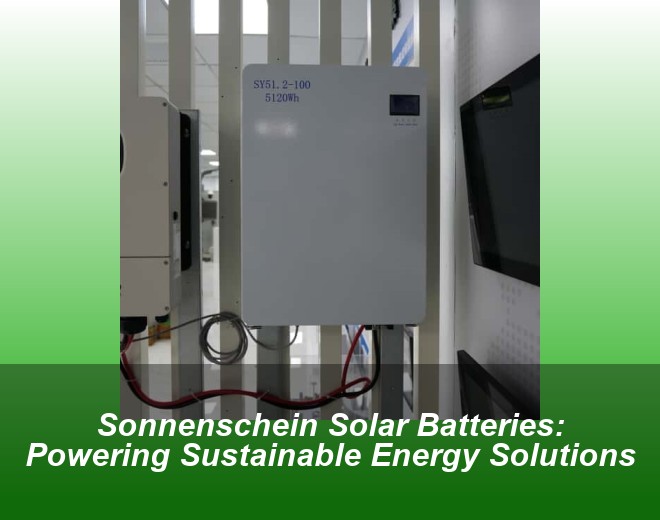
Sonnenschein Solar Batteries: Powering Sustainable Energy Solutions
the global energy landscape's changing faster than a TikTok trend. With 68% of renewable energy projects now integrating storage solutions according to 2024 industry reports, solar batteries aren't just accessories; they're becoming the backbone of clean energy systems.
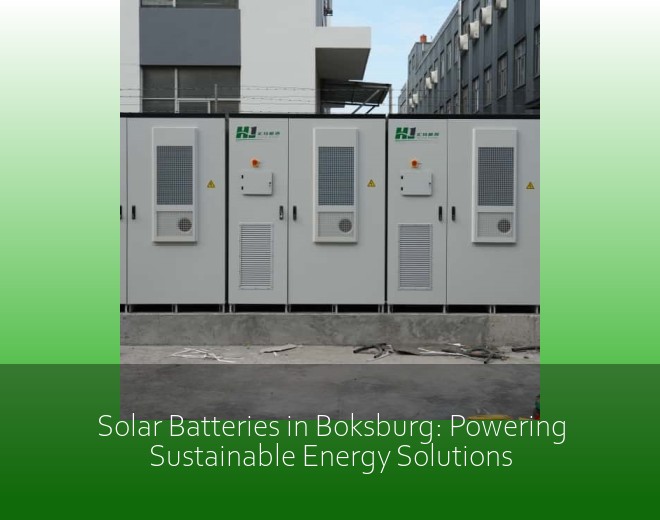
Solar Batteries in Boksburg: Powering Sustainable Energy Solutions
Let's face it – rolling blackouts have become as predictable as afternoon thunderstorms in Gauteng. But here's the kicker: solar batteries are quietly rewriting Boksburg's energy narrative. In March 2025 alone, the city recorded 120 hours of load-shedding, pushing businesses to the brink and leaving families in the dark – literally and figuratively.
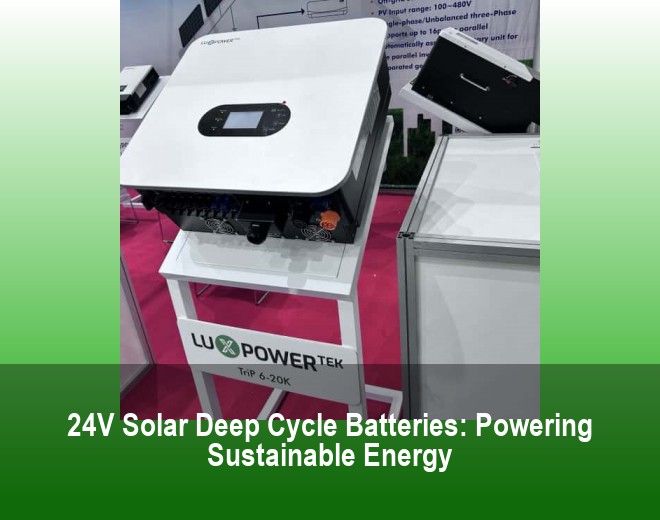
24V Solar Deep Cycle Batteries: Powering Sustainable Energy
You know what's funny? Most solar newcomers obsess over panels while treating batteries as an afterthought. Yet 24V deep cycle batteries actually determine whether your system works when clouds roll in. Let's break it down: 24V systems strike the perfect balance between efficiency and affordability. Compared to 12V setups, they halve current flow (reducing energy loss), yet avoid the complexity of 48V configurations.
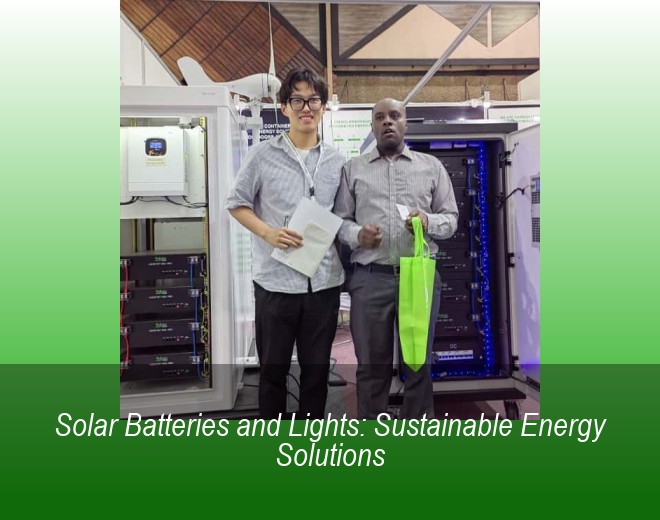
Solar Batteries and Lights: Sustainable Energy Solutions
Ever wondered how 1.3 billion people without grid electricity light their homes? The answer lies in solar-powered lighting systems. As energy prices soar and climate concerns intensify, photovoltaic storage solutions are becoming household essentials rather than luxury items.
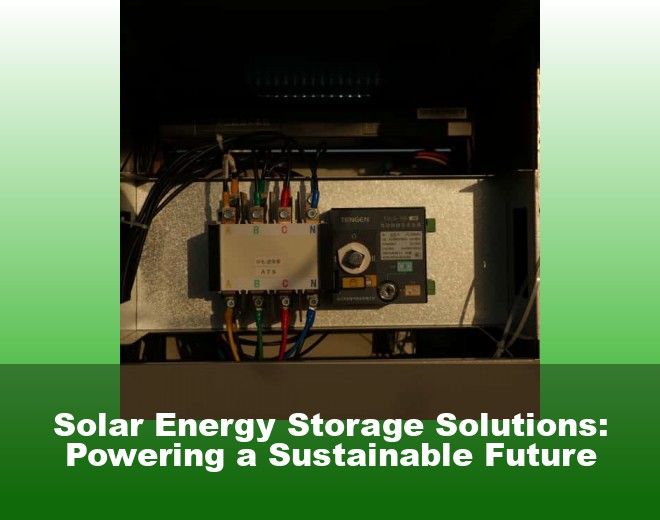
Solar Energy Storage Solutions: Powering a Sustainable Future
We're standing at a crossroads where solar energy storage solutions aren't just nice-to-have - they're critical infrastructure. The European photovoltaic market alone is projected to require over 90GW of components in 2024, climbing to 110GW by 2025. But here's the rub: without efficient storage, we're literally wasting sunlight.
 Inquiry
 Online Chat