


Distributed Energy Storage: Powering Tomorrow's Grids
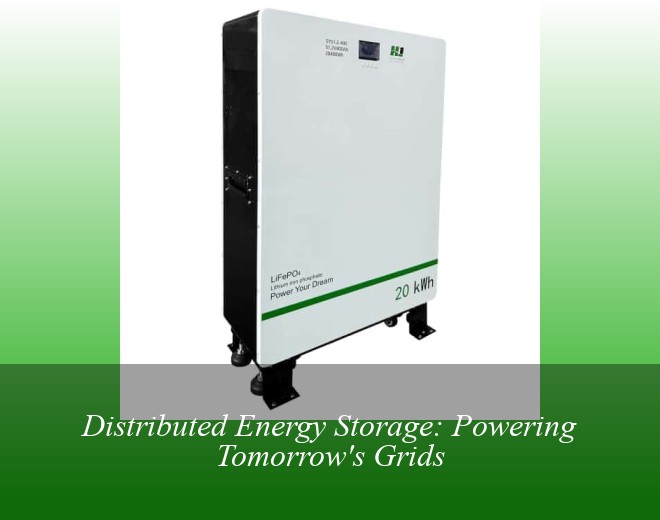
Table of Contents
The Energy Paradox: Why Our Grids Are Failing
California generates enough solar energy daily to power 13 million homes. Yet during 2023's heatwaves, utilities paid $2,700 per MWh – 100x normal rates – to prevent blackouts. Distributed storage energy systems could've captured that midday surplus, but less than 8% of commercial buildings had storage capacity. We're throwing away sunlight while burning gas turbines at night. Madness, right?
Our century-old grid architecture assumes constant centralized generation. But with renewables now providing 30% of global electricity, this model's breaking down faster than a cheap umbrella in a hurricane. The solution? Think smaller, smarter, and more resilient.
The Duck Curve That's Eating Your Electricity Bill
Net load curves in renewable-heavy grids now resemble a duck's profile – plunging midday when solar floods the market, then spiking at sunset. In 2024, California's grid operators had to curtail 2.3 TWh of renewable energy (enough to power 270,000 homes annually) because there was nowhere to store it. Decentralized energy systems act like shock absorbers for these wild swings.
The Storage Revolution You've Been Missing
Remember when mobile phones transformed from briefcase-sized bricks to pocket-sized supercomputers? Battery storage systems are undergoing similar miniaturization. Tesla's 2024 Q2 report showed 140% year-over-year growth in Powerwall installations – now over 500,000 units globally. But the real game-changer isn't the batteries themselves, but how they're orchestrated.
"A modern 10 MW distributed storage network can respond to grid fluctuations 600x faster than a traditional power plant." – IEEE Power & Energy Society, 2024
How Distributed Storage Outsmarts Traditional Systems
Traditional grid storage works like a reservoir – huge capacity but slow to respond. Distributed systems behave more like ant colonies – individually small, but collectively intelligent. Here's the secret sauce:
- Modular architecture that scales from apartment blocks to industrial parks
- AI-driven forecasting that predicts local demand 96 hours ahead
- Blockchain-enabled peer-to-peer trading between neighbors
Take Germany's SonnenCommunity – 100,000+ homes sharing stored solar energy through a decentralized energy network. During February's cold snap, members saved €350/month compared to grid rates. The kicker? Their aggregated storage capacity (1.2 GWh) exceeds Europe's largest pumped hydro facility.
Real-World Wins: From Texas Blackouts to Tokyo Skyscrapers
When Winter Storm Uri froze Texas' grid in 2021, a hospital in Austin stayed powered using distributed storage charged during off-peak hours. Fast forward to 2024 – the same facility now sells excess capacity back to the grid during peak events. Their secret? Three innovations:
- Second-life EV batteries (30% cheaper than new cells)
- Dynamic voltage regulation that adapts to grid stress
- Cybersecurity protocols that survived 47 attempted hacks last quarter
In Tokyo's Otemachi district, Mitsubishi's 22-building microgrid reduced diesel backup usage by 89% using thermal storage – basically freezing excess energy as ice during cheap-rate periods. The ice melts to cool buildings during peak hours, cutting their $4.2 million annual cooling bill nearly in half.
Not All Sunshine: The Hidden Challenges Ahead
For all its promise, distributed storage faces regulatory speed bumps. In Florida, a 2023 law actually taxes home battery systems as "grid parasitism" – a classic case of legacy utilities clinging to outdated models. Meanwhile, lithium prices remain volatile, though sodium-ion alternatives could break this dependency by 2026.
Then there's the technical elephant in the room – smart inverters need to handle bidirectional flows without destabilizing local voltage. Duke Energy's pilot in North Carolina saw 12% equipment failure rates in early trials. But here's the silver lining – machine learning models now predict inverter faults with 94% accuracy before they occur.
The Battery Recycling Time Bomb
By 2030, over 500,000 tons of lithium batteries will reach end-of-life annually. California's new regulations mandate 75% recycling rates, but current methods recover only 53% of materials economically. Emerging solutions like direct cathode recycling could boost yields to 90% – turning today's environmental liability into tomorrow's distributed storage goldmine.
So where does this leave us? The energy transition isn't about building bigger grids – it's about creating smarter networks. From Brooklyn brownstones to Bangalore factories, decentralized energy systems are rewriting the rules of power delivery. The question isn't whether distributed storage will dominate, but how quickly we'll adapt to its disruptive potential.
A Personal Note: Why This Matters
Last summer, my neighbor's solar+storage system kept their medical equipment running during a 16-hour blackout. That's not just kilowatt-hours – it's life-saving resilience. As we navigate this energy transition, let's remember: electrons don't care about political borders or corporate balance sheets. They'll flow wherever we create the smartest pathways.
Related Contents
Micro Energy Storage: Powering Tomorrow's Grids
your neighbor's rooftop solar panels generate 30% more electricity than they need at noon, while your household faces power shortages at dusk. This mismatch explains why small-scale energy storage systems are projected to grow 27% annually through 2030 according to the latest industry reports. Unlike bulky grid-scale solutions, these refrigerator-sized units can store 5-50 kWh – enough to power a typical home for 12-48 hours.
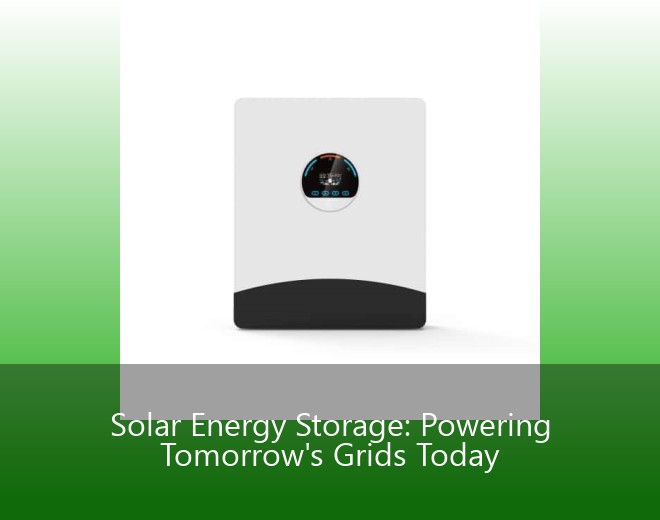
Solar Energy Storage: Powering Tomorrow's Grids Today
You know that feeling when your phone dies at 15% battery? Now imagine that happening to entire cities. That's essentially the challenge we're facing with solar energy storage today. While photovoltaic panels have become 85% cheaper since 2010 according to IRENA, the real headache lies in keeping the lights on when clouds roll in or night falls.
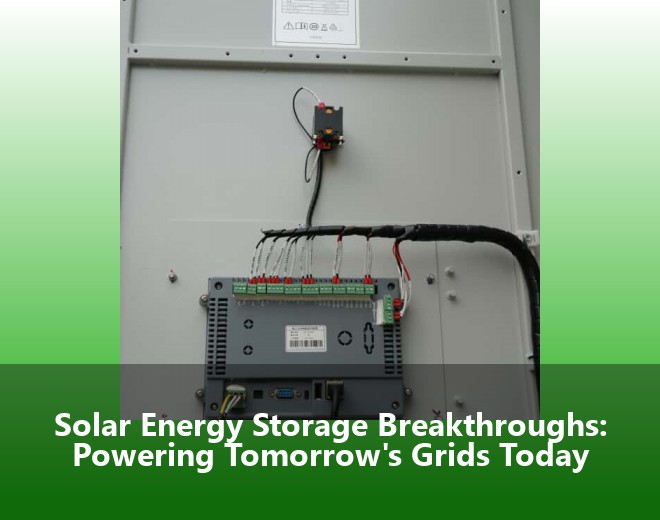
Solar Energy Storage Breakthroughs: Powering Tomorrow's Grids Today
You know how everyone's hyping solar panels these days? Well, here's the rub - we've sort of been winning the battle against fossil fuels while quietly losing the energy storage war. In 2023 alone, California curtailed 2.4 TWh of solar power (enough to power 270,000 homes annually) because, wait no, actually let me correct that - because we lacked proper storage infrastructure.
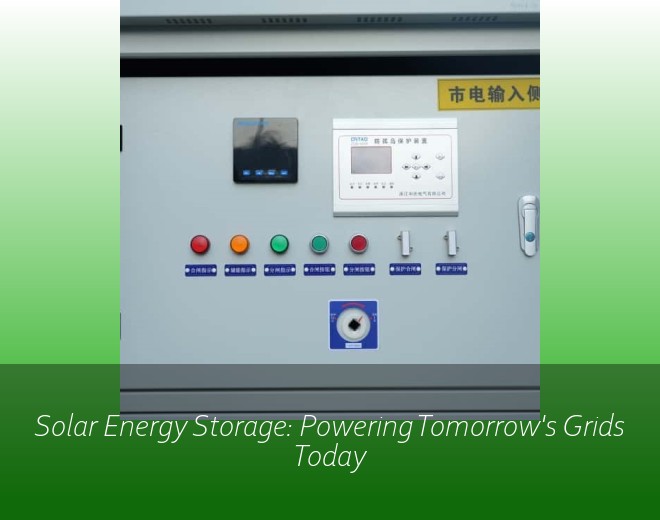
Solar Energy Storage: Powering Tomorrow's Grids Today
Ever wondered why your neighbor's lights stay on during blackouts while yours don't? The answer's probably sitting in their garage – a solar energy storage system. With global renewable capacity projected to double by 2030, energy storage has become the missing piece in our clean energy puzzle.
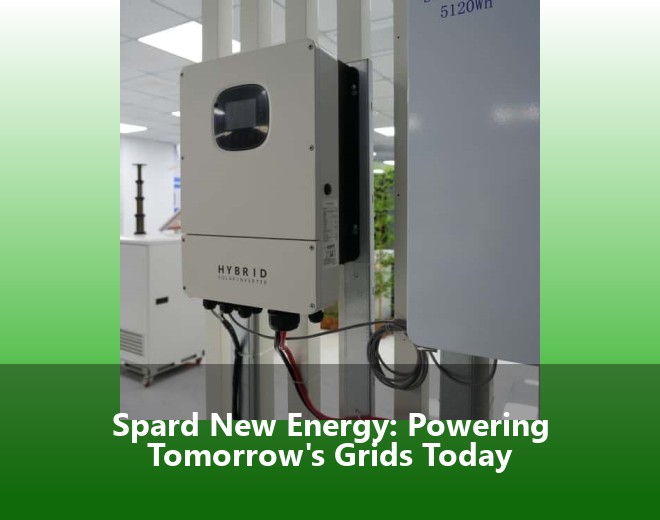
Spard New Energy: Powering Tomorrow's Grids Today
You know how your phone dies right when you need it most? Imagine that happening to entire cities. Last winter's grid collapse in Texas left 4.5 million homes freezing in the dark – a stark reminder that our energy storage systems aren't keeping pace with renewable adoption.
 Inquiry
 Online Chat