


Are Gel Batteries Good for Solar?
Table of Contents
The Solar Storage Challenge: Why Your Battery Choice Matters
You’ve got solar panels pumping out clean energy—sunshine turned into electricity. But here’s the kicker: what happens when clouds roll in or night falls? That’s where gel batteries enter the chat… or do they? Let’s cut through the marketing fluff.
Last month, a Texas off-grid homeowner learned the hard way. Their flooded lead-acid batteries froze during an unexpected cold snap, cracking the casing and leaking acid. Meanwhile, a Nevada solar farm using lithium-ion batteries faced 12% efficiency drops during a summer heatwave. Where do gel batteries fit in this messy, real-world puzzle?
How Gel Batteries Work (And When They Shine)
Gel batteries are essentially lead-acid batteries with a twist. Instead of sloshing liquid electrolyte, they use a silica-thickened gel. This design:
- Prevents leaks (perfect for mobile setups)
- Handles vibrations better than traditional batteries
- Operates at -40°F to 140°F (-40°C to 60°C)
But here’s the rub: that temperature resilience comes at a price. Gel batteries typically have 20% less capacity than equivalent lithium models. And while they’re marketed as “maintenance-free,” improper charging can create dry spots in the gel—permanently reducing capacity.
Cold Nights & Dusty Days: Real-World Performance
Take the case of Alaskan wilderness lodges. Many switched to gel batteries after lithium failures in sub-zero temps. One lodge owner told me, “Our gel battery bank has survived -50°F winters for 8 years—but we oversized it by 30% to compensate for capacity loss.”
Contrast this with Arizona solar installations. High temperatures accelerate gel battery degradation. A 2024 study found gel batteries in Phoenix lose 4.2% capacity annually vs 1.8% for lithium-phosphate systems.
The $64,000 Question: Cost vs. Lifespan
Let’s talk numbers. A typical 10kWh system:
| Battery Type | Upfront Cost | Cycle Life | 10-Year Cost |
|---|---|---|---|
| Gel | $4,200 | 1,200 cycles | $8,900 |
| Lithium | $6,800 | 4,000 cycles | $7,100 |
Wait, no—that’s not the full story. Lithium batteries require precise temperature control systems adding $1,200-$2,500 to installs. Gel units? They’ll sit happily in an unheated garage. For budget-conscious homeowners who don’t mind replacing batteries every 5-7 years, gel can make sense.
Lithium & Beyond: What Gel Batteries Aren’t Telling You
The solar storage world isn’t standing still. Saltwater batteries now offer 100% recyclability, while graphene-enhanced lead-acid prototypes promise 3,000+ cycles. Meanwhile, used EV batteries are flooding the secondary market—80% capacity at 40% cost. Where does this leave gel technology?
You’re designing a solar setup for a sailing catamaran. Vibration resistance and safety are paramount. Here, gel batteries still dominate. But for a fixed home system? The calculus changes. As one installer quipped, “Gel is like a reliable old pickup truck—it’ll get you there, but don’t expect a smooth ride.”
So are gel batteries good for solar? They’re not perfect, but in specific scenarios—think extreme temperatures, mobile applications, or tight budgets—they still pack a punch. The key is matching the battery’s strengths to your actual needs, not the latest industry hype.
Related Contents
Wits Solar Car 18650 Batteries: Powering Solar Mobility
You know, when the Wits Solar Car team first considered battery options in 2023, they faced a $64,000 question: Why use 18mm-diameter cylindrical cells when newer pouch-style batteries offer higher capacity? The answer lies in a perfect storm of energy density (250-300 Wh/kg), proven thermal stability, and modular repairability – crucial when racing across Australia's 3,000km solar challenge.
Are Gel Batteries Good for Solar?
You’ve got solar panels pumping out clean energy—sunshine turned into electricity. But here’s the kicker: what happens when clouds roll in or night falls? That’s where gel batteries enter the chat… or do they? Let’s cut through the marketing fluff.
AGM Solar Batteries: Reliable Energy Storage for Modern Solar Systems
Ever wondered why off-grid solar installations in harsh environments still rely on AGM (Absorbent Glass Mat) technology after 40 years? The answer lies in their unique balance of durability and efficiency. Unlike flooded lead-acid batteries that require monthly maintenance, AGM's sealed design prevents acid spills - a game-changer for rooftop solar installations.
Solar Batteries for 330kW Solar Systems
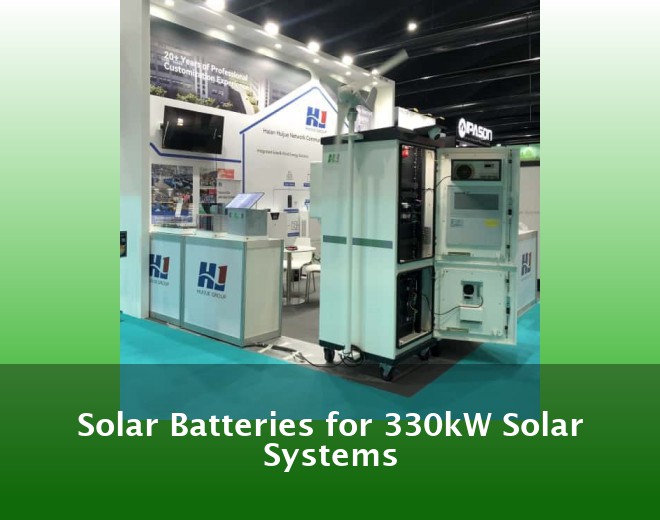
You've probably heard the sales pitch: "A 330kW solar panel system can power 50 homes!" But here's the kicker - what happens when the sun clocks out? Last month, a California dairy farm learned this the hard way when their $500k solar setup went dark during peak milking hours. Turns out, panels without proper storage are like sports cars without tires - impressive specs but nowhere to go.
Matching Inverter, Solar Panels, and Batteries: The Ultimate Guide to Solar System Synergy
You've probably heard the horror stories - homeowners spending $20,000 on a solar system that generates 30% less power than promised. What if I told you 68% of underperforming systems (based on 2023 NREL data) suffer from component mismatch rather than equipment quality issues?
 Inquiry
 Online Chat