


Energy Storage: Powering Tomorrow's Grid Today
Table of Contents
The Energy Paradox: Why Storage Matters
our power grids are stuck in the 20th century while our energy needs rocket through the 21st. Energy storage isn't just about saving electrons for a rainy day; it's the missing puzzle piece in our clean energy transition. Remember last winter's Texas grid collapse? That wasn't just about frozen wind turbines - it exposed our dangerous reliance on just-in-time energy delivery.
Here's the kicker: The global battery storage market hit $33 billion last year, yet we're still throwing away enough renewable energy annually to power Germany for three months. Why? Because when the sun shines brightest and winds blow strongest, we often lack the capacity to store that surplus.
The Duck Curve Dilemma
California's grid operators coined this term to describe the mismatch between solar production peaks (daytime) and energy demand peaks (evening). Without storage, we're forced to:
- Curtail renewable generation
- Rely on fossil fuel peaker plants
- Risk grid instability
From Lithium to Liquid Air: Storage Tech Breakthroughs
While lithium-ion batteries dominate headlines, the storage revolution is brewing in unlikely places. Take Highview Power's CRYOBattery in Manchester - this liquid air energy storage system uses excess electricity to compress air into liquid form, storing it at -196°C. When released, it expands 700 times to drive turbines. Simple physics meets brilliant engineering.
Bill Gates' Breakthrough Energy Ventures recently backed Antora Energy's thermal storage using glowing carbon blocks. These innovations complement rather than replace existing solutions:
| Technology | Duration | Cost (USD/kWh) |
|---|---|---|
| Lithium-ion | 4-8 hours | 150-200 |
| Flow Batteries | 8-100+ hours | 250-400 |
| Compressed Air | 12-24 hours | 100-150 |
MegaWatts to Microgrids: Real-World Impact
Last month's commissioning of Form Energy's iron-air battery in Minnesota demonstrates long-duration storage's potential. These warehouse-sized systems can discharge for 100 hours straight - a game-changer for multi-day grid outages.
But storage isn't just for utilities. Take Japan's "flying power plants" initiative using retired EV batteries for:
- Disaster resilience centers
- Mobile charging stations
- Rural microgrids
The $33 Billion Question: Storage's Economic Equation
Let's crunch numbers. A typical 10MW/40MWh lithium system today costs about $15 million. But with frequency regulation revenues and capacity payments, payback periods have shrunk from 7 years to under 4 in many markets. The math gets better when you consider:
- 60% cost reduction in lithium batteries since 2015
- New tax credits covering 30-50% of project costs
- Emerging "storage-as-transmission" compensation models
As SunPower's recent 1.5GWh deal with CREC shows, developers are betting big on storage's profitability. But here's the rub - we need smarter markets, not just better batteries. Current electricity pricing mechanisms often undervalue storage's grid services like:
- Voltage support
- Black start capability
- Congestion relief
The Human Factor
During a site visit to Tesla's Hornsdale Power Reserve in Australia, I watched technicians balance battery modules like orchestra conductors. One engineer joked, "We're not just storing energy - we're storing confidence in renewables." That confidence is spreading, with household systems like Bslbatt's MicroBox 800 bringing storage to apartment balconies.
Regulatory Roadblocks
While technology advances, outdated regulations remain storage's Achilles' heel. Many jurisdictions still classify storage systems as either generation or load, creating permitting nightmares. The solution? Follow California's lead with dedicated storage procurement targets and streamlined interconnection processes.
Related Contents
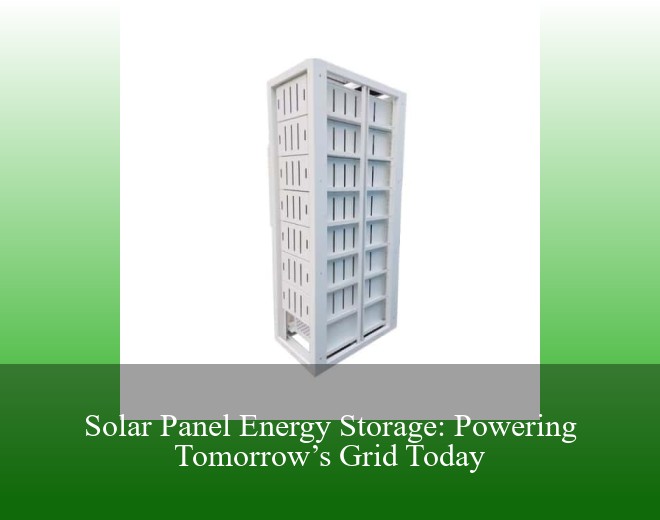
Solar Panel Energy Storage: Powering Tomorrow’s Grid Today
Ever wondered why your neighbor’s rooftop solar panels still rely on the grid during cloudy days? The answer lies in the missing piece of the renewable energy puzzle: energy storage batteries. Solar panels generate power when the sun shines, but without storage, excess energy slips through our fingers like sand. Globally, we’re wasting enough solar energy annually to power Germany for six months—a staggering inefficiency in our climate-critical era .
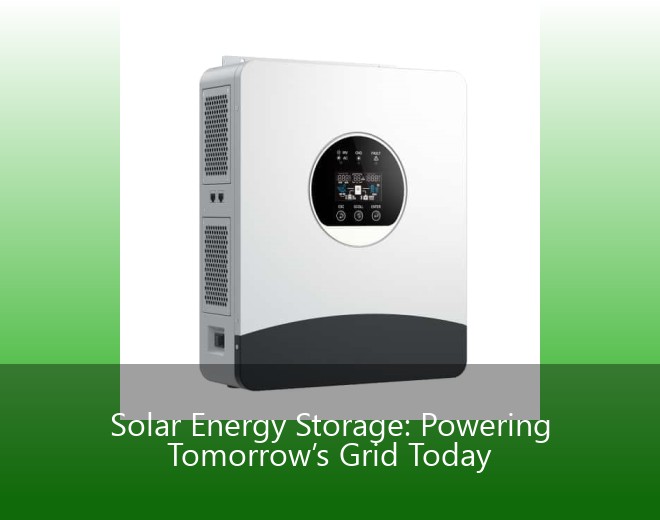
Solar Energy Storage: Powering Tomorrow’s Grid Today
Let’s face it: solar panels alone won’t solve our energy woes. Sure, they’ve become 80% cheaper since 2010, but what good is that rooftop array if it can’t power your home during a blackout? The real game-changer lies in pairing solar with battery storage systems – a combo that’s reshaping grids from California to Chengdu.
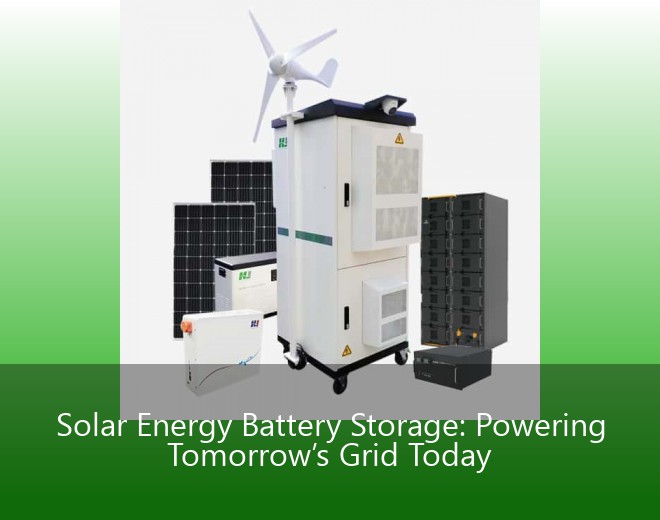
Solar Energy Battery Storage: Powering Tomorrow’s Grid Today
California’s grid operator just reported solar curtailment rates hitting 15% during peak daylight hours last month. That’s enough wasted energy to power 600,000 homes – gone. Why? Because traditional grids weren’t built to handle renewable energy’s feast-or-famine nature. Here’s the kicker: battery storage could’ve captured 92% of that lost power according to NREL models.
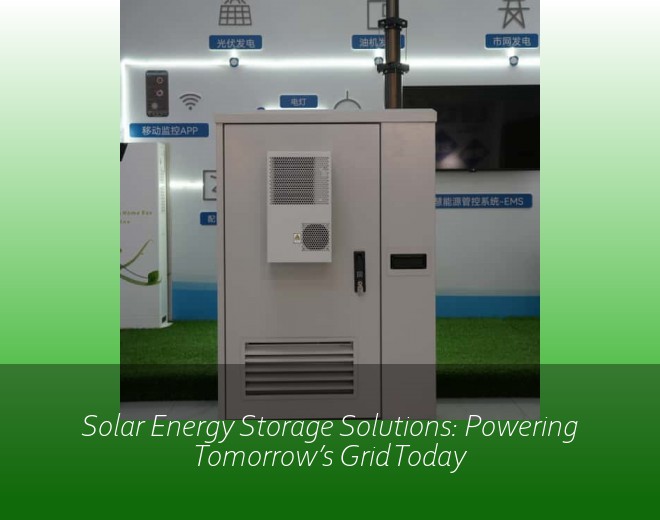
Solar Energy Storage Solutions: Powering Tomorrow’s Grid Today
You know that sinking feeling when clouds roll in during peak solar hours? That’s precisely why battery storage systems have become the unsung heroes of renewable energy. In 2023 alone, global solar installations grew 35% year-over-year—but without storage, we’re basically throwing away sunlight.
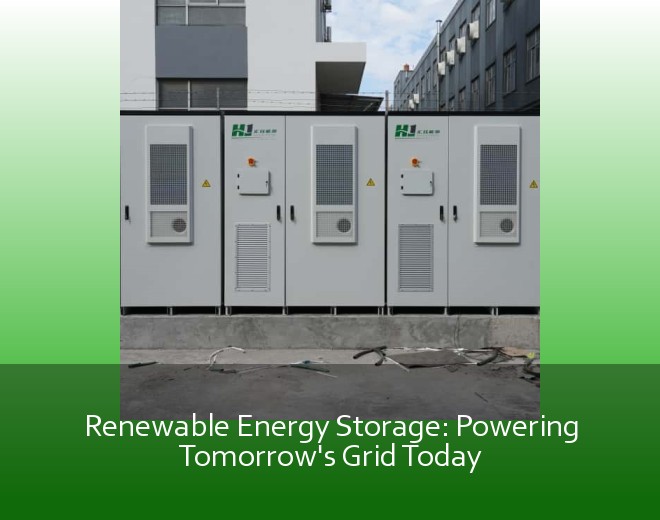
Renewable Energy Storage: Powering Tomorrow's Grid Today
China's renewable capacity hit 1.32 billion kilowatts in mid-2023 – officially surpassing coal power. But here's the rub: these clean sources only accounted for 19% of actual energy consumption. The math doesn't lie – we've built the engines, but lack the fuel tanks.
 Inquiry
 Online Chat