


Commercial BESS: Powering Tomorrow’s Energy Needs Today
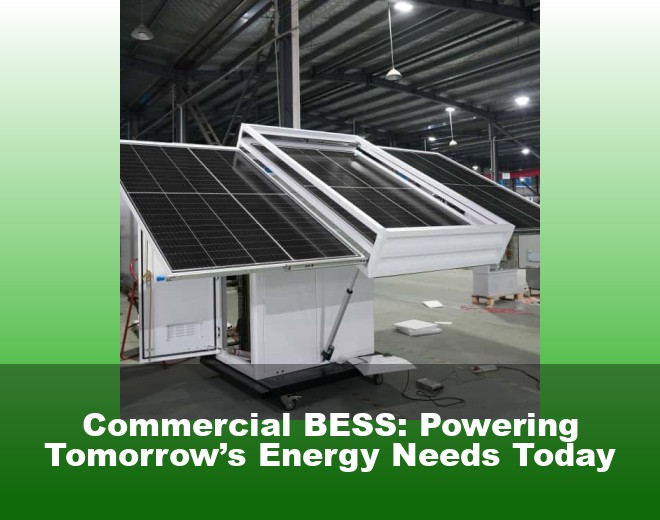
Table of Contents
Why Commercial BESS Matters Now
Let’s face it: the energy landscape is kind of a mess. With renewable sources like solar and wind booming—but still plagued by inconsistency—commercial battery energy storage systems (BESS) have stepped into the spotlight. In 2023 alone, the U.S. commercial BESS market grew by 78%, driven by businesses scrambling to cut energy costs and meet sustainability goals. But here’s the kicker: while everyone’s talking about BESS, few understand why it’s *the* linchpin for a carbon-neutral future.
Imagine this: A California supermarket chain slashed its monthly energy bills by 40% using a 500kW BESS to avoid peak utility rates. That’s not just savings—it’s survival in today’s economy. Yet, despite these wins, adoption remains uneven. Why? Well, misinformation and upfront costs still spook decision-makers.
How BESS Works: Beyond Basic Storage
At its core, a BESS isn’t just a giant PowerBank. Modern systems integrate lithium-ion batteries, advanced inverters, and AI-driven management software. Take Tesla’s Megapack: it’s not just storing energy—it’s predicting grid demand fluctuations in real time. But wait, no… let’s correct that. Actually, most commercial systems today *react* to demand rather than predict it. The true “smart” systems? They’re still in pilot phases.
Here’s where things get gritty:
- Peak shaving: Reducing energy draw during expensive rate hours
- Frequency regulation: Stabilizing grid voltage (critical for factories)
- Blackout prevention: Seamless backup during outages
Real-World Applications Saving Millions
Consider Walmart’s recent move: installing BESS across 120 stores to dodge $9 million annually in demand charges. Or look at Arizona’s O’Hatchery Farms, which paired solar panels with a 2MWh BESS to run irrigation systems off-grid. The result? Energy independence—and a 92% drop in diesel generator use.
Yet for every success story, there’s a cautionary tale. A Texas data center learned the hard way that not all BESS units handle 45°C heat. Their system failed during a July heatwave, costing $1.2 million in downtime. Moral? Climate-specific engineering matters.
The Hidden Tech Challenges Nobody Talks About
You’ve probably heard about fire risks—like the 2022 incident where a Korean BESS facility burned for 12 hours. But what about battery degradation? Even top-tier lithium batteries lose 2-3% capacity yearly. For a 10MWh system, that’s like throwing $150,000 out the window annually. And recycling? Don’t get me started. Less than 5% of commercial BESS components get repurposed today.
Here’s the paradox: while tech advances make BESS cheaper, installation complexity is rising. Integrating with existing infrastructure often takes 6-8 months—twice as long as five years ago. Why? Older facilities weren’t built with bidirectional energy flow in mind.
Future Outlook: More Than Just Batteries
As we approach Q4 2023, hydrogen-BESS hybrids are gaining traction. Germany’s Lumenwerk project combines 100MW batteries with hydrogen storage, achieving 90-hour backup—ten times longer than standard systems. But is this rapid growth sustainable? Critics argue we’re outpacing safety regulations, creating a “wild west” energy storage landscape.
Ultimately, commercial BESS isn’t just about storing electrons. It’s about rewriting how businesses interact with energy—from passive consumers to proactive grid partners. The question isn’t whether to adopt BESS, but how to do it smartly. Because in this game, knowledge isn’t just power—it’s profit.
Related Contents
Renewable Energy: Powering Tomorrow Today
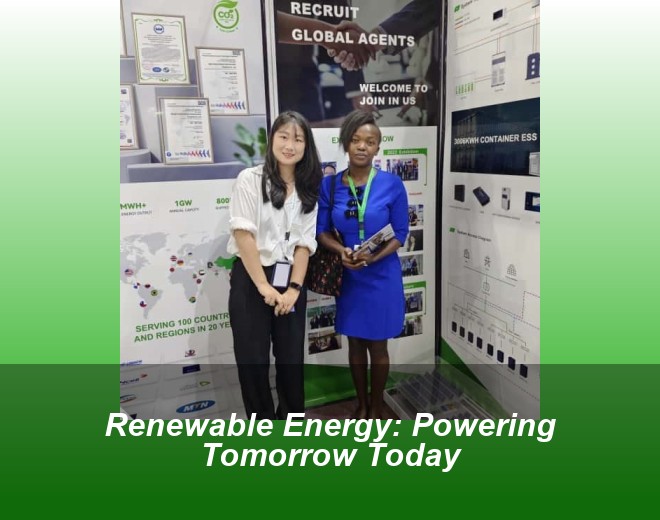
our planet's running a fever. With global CO₂ levels hitting 420 ppm in 2024 (that's 50% higher than pre-industrial levels), the clock's ticking. Traditional energy systems aren't just failing the environment; they're becoming economic liabilities. Remember the Texas power crisis of 2023? A fossil-dependent grid collapsed when temperatures dropped, leaving millions without power.
Solar Energy Battery Storage: Powering Tomorrow’s Grid Today
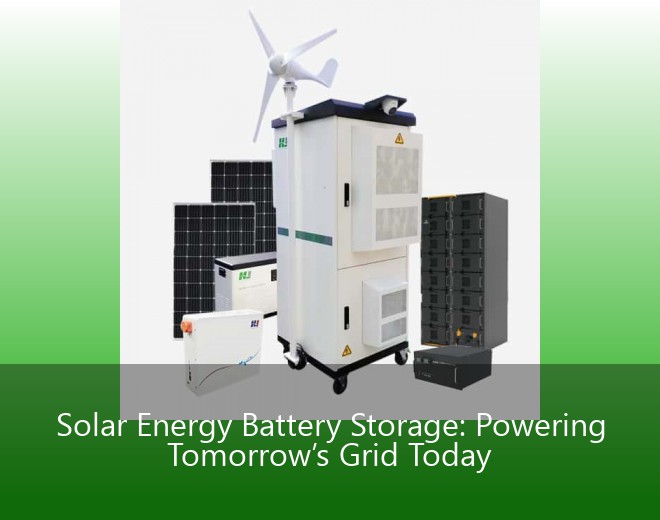
California’s grid operator just reported solar curtailment rates hitting 15% during peak daylight hours last month. That’s enough wasted energy to power 600,000 homes – gone. Why? Because traditional grids weren’t built to handle renewable energy’s feast-or-famine nature. Here’s the kicker: battery storage could’ve captured 92% of that lost power according to NREL models.
Solar Energy Solutions: Powering Tomorrow's World Today
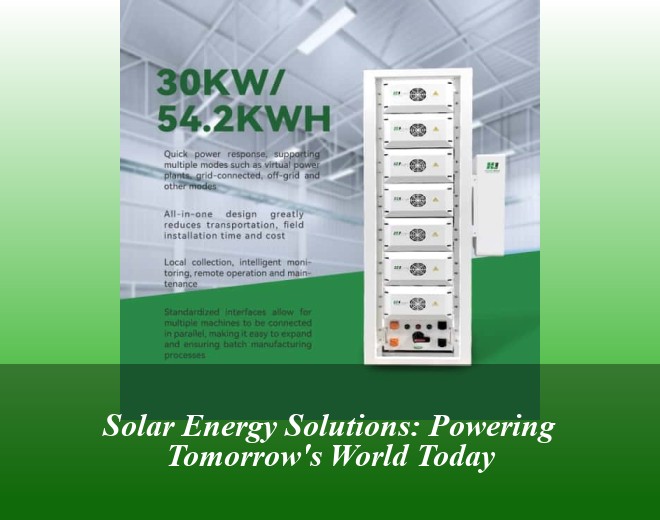
You'd think with all the hype around solar energy, we'd have solved our energy crises by now. But here's the kicker - global solar adoption grew only 7.2% last year compared to 12% in 2023. What's holding us back? Let's peel the onion.
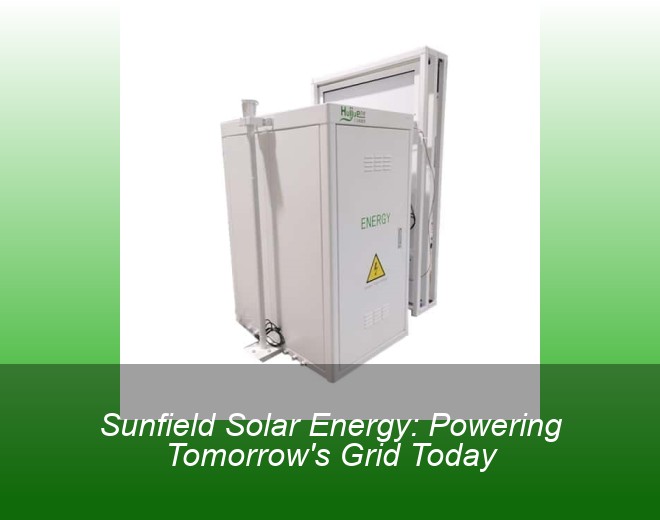
Sunfield Solar Energy: Powering Tomorrow's Grid Today
we've all seen those gleaming solar panels on rooftops, but intermittency issues remain solar energy's Achilles' heel. On cloudy days or during peak evening demand, traditional solar systems struggle to deliver consistent power. The U.S. Energy Information Administration reports that 68% of residential solar users still rely on grid power after sunset.
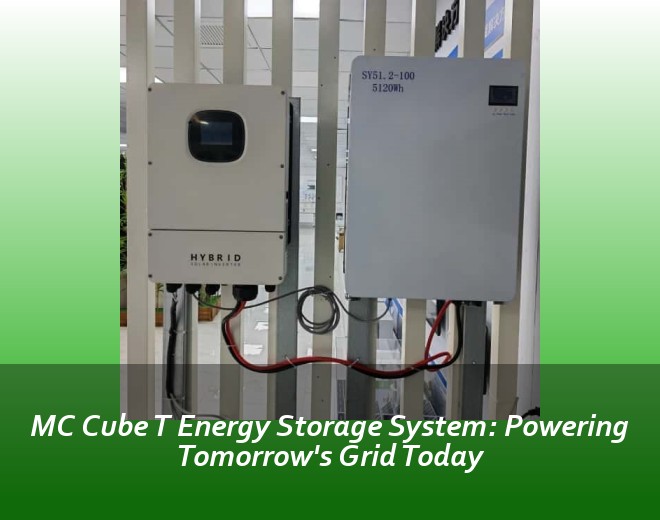
MC Cube T Energy Storage System: Powering Tomorrow's Grid Today
You know what's wild? We've got enough solar and wind capacity installed globally to power half the planet – yet blackouts are increasing by 7% annually in developed nations. The culprit? Our energy storage gap that leaves renewable power stranded when we need it most.
 Inquiry
 Online Chat