


GEL vs Lead Acid: Solar Battery Showdown
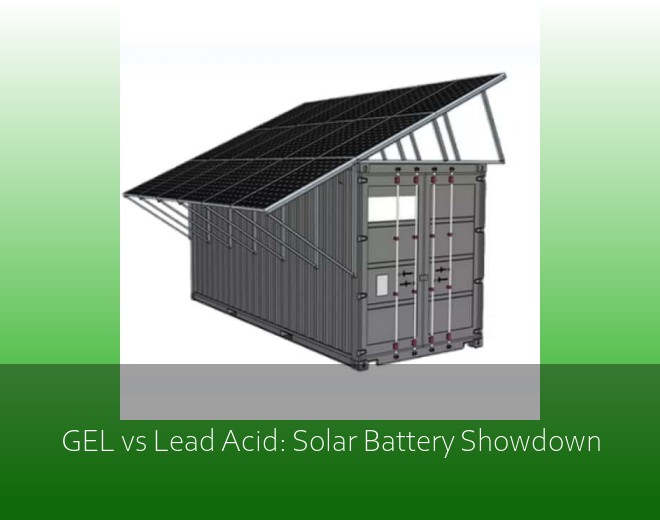
Table of Contents
How They Store Sunshine Differently
Let's cut through the marketing jargon. At their core, both gel batteries and flooded lead acid versions rely on lead plates and sulfuric acid. But here's the kicker - it's how they manage that electrolyte that changes everything. Gel batteries suspend the electrolyte in silica gel, creating a maintenance-free system. Meanwhile, traditional flooded batteries need regular water top-ups like some high-maintenance houseplant.
A Texas rancher installed flooded batteries for his solar-powered well pump. Within 18 months, evaporated electrolyte left his system gasping during peak drought. The fix? Switching to gel batteries eliminated the weekly maintenance checks he'd been skipping. "It's like comparing a tamagotchi to a brick," he joked - the first needs constant attention, the second just works.
The Electrolyte Tango
Industry data shows gel batteries typically achieve 500-800 deep cycles at 50% discharge depth, compared to 200-300 for standard flooded models. But wait - premium deep-cycle flooded batteries can reach 400 cycles if meticulously maintained. The problem? Most solar users aren't battery whisperers.
What the Spec Sheets Don't Tell You
Manufacturers love touting cycle life numbers, but real-world solar storage throws curveballs. A 2023 study tracking 142 off-grid systems found gel battery users achieved 83% of advertised cycle life versus 54% for flooded types. Why the gap? Three culprits:
- Uneven charging from variable solar input
- Temperature fluctuations manufacturers don't account for
- Human error in maintenance routines
Here's where it gets interesting. Gel batteries handle partial state-of-charge (PSOC) conditions better - crucial for cloudy climates. But flooded batteries still dominate in high-current applications. A Maine solar installer told me: "We use flooded for dairy farm milking machines needing sudden power surges, gel for everything else."
Why Battery Care Matters More Than You Think
Ever heard of battery stratification? It's the silent killer in flooded lead acid systems. Without regular equalization charges, the electrolyte separates into layers - weak acid on top, concentrated below. Gel batteries avoid this through their immobilized electrolyte, but at a cost. Their lower peak currents mean you might need more batteries for high-wattage appliances.
Consider Maria's story. The Arizona RV owner chose flooded batteries for their lower upfront cost. After six months boondocking, her battery bank capacity dropped 40% from stratification. "I thought I was saving money," she lamented. "Turns out I was buying a part-time battery maintenance job."
Temperature's Hidden Battery Tax
Battery chemistry gets moody in extreme temps. While both types lose capacity in cold weather, gel batteries maintain better performance below freezing. But here's the twist - excessive heat degrades gel faster. A Nevada solar farm reported 22% faster capacity loss in gel batteries compared to flooded during record 2023 summer heat.
The sweet spot? Gel excels in 10-25°C (50-77°F) ranges common in residential settings. Flooded batteries handle wider temperature swings better, making them popular for harsh industrial environments. It's not about which is better - but which fits your climate reality.
The Payback Period Puzzle
Upfront costs tell only half the story. Let's crunch numbers:
| Battery Type | Initial Cost | Cycle Life | 10-Year Cost |
| Flooded Lead Acid | $200 | 400 cycles | $600 (3 replacements) |
| GEL | $400 | 800 cycles | $400 (1 replacement) |
But wait - this assumes perfect maintenance. Real-world data shows most users replace flooded batteries every 2-3 years versus 5-7 for gel. The math gets compelling for long-term solar investments.
Solar Farms Spill Their Secrets
A Minnesota community solar project switched to gel batteries in 2022. Their metrics:
- 37% reduction in annual maintenance hours
- 15% better winter performance
- But...8% higher summer cooling costs
Contrast this with a Bahamas resort using flooded batteries: "We don't mind monthly checks - it's part of our preventative maintenance culture," their engineer noted. The takeaway? Organizational capacity matters as much as battery specs.
The Recycling Reality Check
Both battery types boast 98%+ recyclability rates. However, lead recovery from gel batteries requires specialized facilities still scarce in developing markets. A Kenyan solar installer shared: "We stick with flooded - every auto shop here can recycle them."
The Verdict Depends on Your Solar Personality
Are you the meticulous tinkerer who enjoys battery maintenance? Flooded might suit. Prefer set-and-forget reliability? Gel's your match. With battery tech advancing rapidly (hello, lithium!), this isn't a forever decision. But for budget-conscious solar users today, understanding this gel vs lead acid battery for solar power dilemma remains crucial.
As battery chemistries evolve, hybrid solutions are emerging. Some manufacturers now offer gel-flooded crossover designs. One thing's certain - the solar storage game keeps getting more interesting. Where will you place your bet?
Related Contents
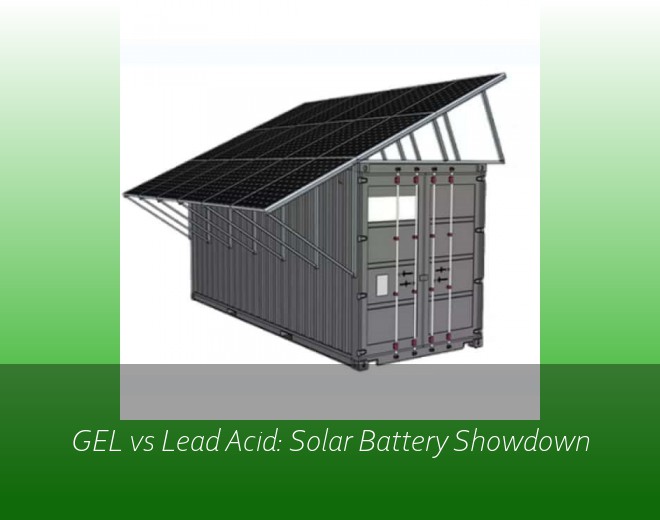
GEL vs Lead Acid: Solar Battery Showdown
Let's cut through the marketing jargon. At their core, both gel batteries and flooded lead acid versions rely on lead plates and sulfuric acid. But here's the kicker - it's how they manage that electrolyte that changes everything. Gel batteries suspend the electrolyte in silica gel, creating a maintenance-free system. Meanwhile, traditional flooded batteries need regular water top-ups like some high-maintenance houseplant.
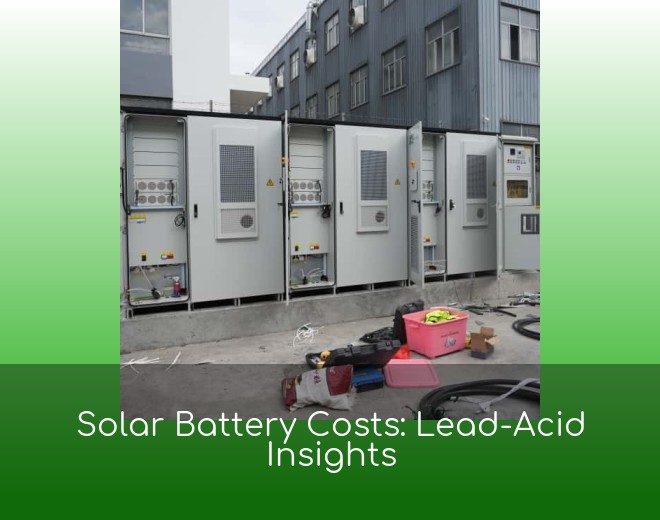
Solar Battery Costs: Lead-Acid Insights
Let's cut through the lithium hype. In 2023, lead-acid battery costs for solar systems still average $0.15/Wh - that's half the price of lithium alternatives. But wait, isn't this ancient tech? Well, 62% of off-grid solar installations in developing nations still use flooded lead-acid models. The reason? Upfront costs dictate decisions when you're wiring a rural clinic, not a Tesla owner's man cave.
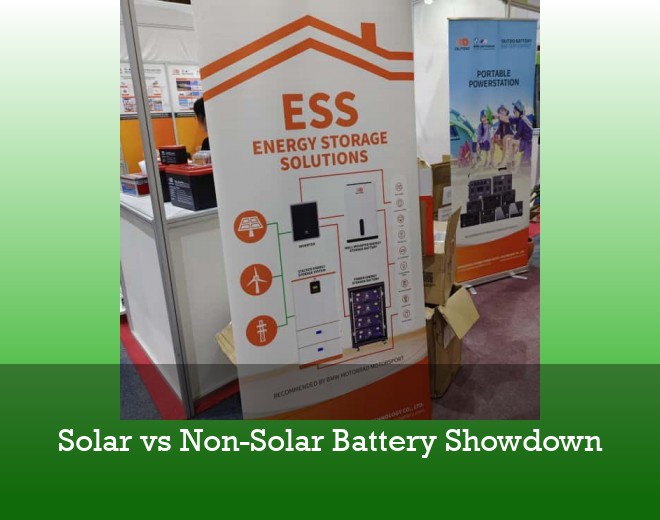
Solar vs Non-Solar Battery Showdown
Let's cut through the jargon. Solar batteries and non-solar batteries might look identical to your untrained eye, but their DNA tells different stories. your neighbor's Tesla Powerwall humming quietly vs the lead-acid monster in your uncle's vintage RV. One's built for renewable marriage, the other for old-school power hookups.
Lead Crystal vs Lead Acid Solar Batteries
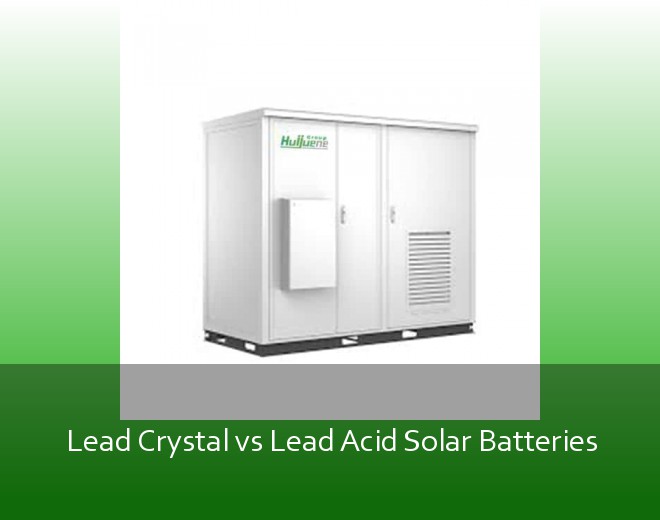
Ever wondered why some solar installations keep humming along for decades while others conk out after 3 years? The secret sauce often lies in the energy storage technology. As solar adoption surges globally (up 34% YoY according to 2024 industry reports), the battle between traditional lead-acid batteries and emerging lead crystal alternatives has never been more relevant.
Solar Lead Acid Battery Lifespan Guide
Let's cut through the marketing jargon. Most lead-acid batteries in solar setups last 3-5 years under daily cycling. But here's the kicker - I've seen systems in Florida fail within 18 months, while an Alaskan off-grid cabin's battery bank lasted 7 years. Why the wild variation? It all comes down to depth of discharge (DoD) and maintenance.
 Inquiry
 Online Chat