


Solar Energy Solutions: Powering Tomorrow
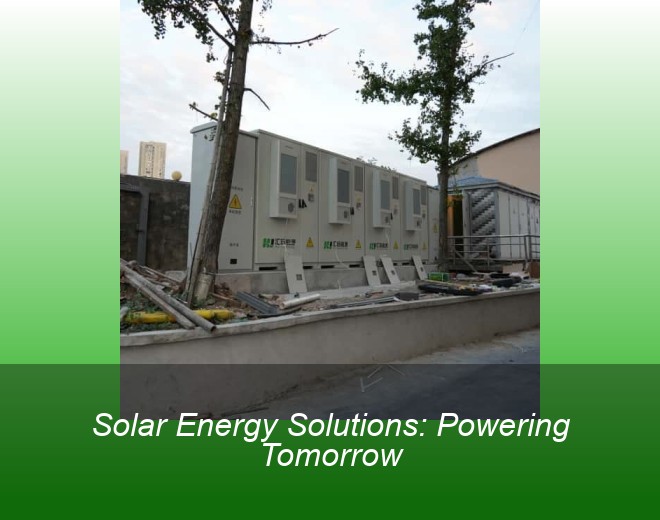
Table of Contents
The Solar Surge: Where We Stand Today
solar energy resources are rewriting global power dynamics. China added 128.94 million kW of solar capacity in just nine months last year, enough to power 18 million homes. But here's the kicker: raw generation numbers only tell half the story. You know what really matters? How we use that energy when the sun isn't shining.
I remember installing my first rooftop PV system back in 2018. The client asked, "Will this power my night shifts?" My awkward silence revealed the truth we rarely discuss - solar's Achilles' heel. This brings us to the billion-dollar question...
Why Solar Alone Isn't Enough
Solar panels produce maximum power at noon, but peak demand hits around 7 PM. That daily mismatch creates what grid operators call "the duck curve" - a shape that's getting more extreme as solar adoption grows. In California, grid operators sometimes pay neighboring states to take excess solar energy during midday.
Here's where energy storage systems enter the picture. Think of them as solar's wingman - capturing surplus energy for later use. The latest battery innovations aren't just about capacity; they're about intelligence. Modern BMS (Battery Management Systems) can predict usage patterns and optimize charge cycles.
Batteries That Changed the Game
2024 saw game-changers in storage tech. Huawei's new hybrid cooling systems cut thermal runaway risks by 40%, while Tesla's latest Powerwall achieves 95% round-trip efficiency. But the real star? Sodium-ion batteries. They're safer than lithium alternatives and perform better in extreme temperatures - perfect for desert solar farms.
Imagine this: A village in Inner Mongolia where solar-charged batteries power overnight heating systems. That's not sci-fi - it's happening right now through China's desert mega-projects. These installations aren't just generating power; they're stress-testing new storage solutions at grid scale.
The Cost Tipping Point
Solar+storage prices have dropped 76% since 2010. Right now, utility-scale systems average $132/kWh - cheaper than most peaker plants. For homeowners, payback periods shrunk from 12 years to just 6 in sun-rich regions.
When Theory Meets Practice
Take the Shaanxi province hybrid farm. By combining photovoltaic panels with flow batteries, they achieved 92% solar utilization - up from 68% without storage. The secret sauce? AI-driven EMS (Energy Management Systems) that decide in real-time whether to store or dispatch energy.
Or consider mobile solar units powering disaster relief. After Typhoon Haikui, solar trailers with integrated storage restored power to 23 clinics within 48 hours. These aren't just technical wins - they're lifesavers.
The Dollar-and-Cents Revolution
Solar-storage economics now beat traditional plants on pure cost. Lazard's 2024 analysis shows unsubsidized solar+storage averaging $58/MWh versus $82 for natural gas. But the bigger story? How storage turns solar from variable resource to grid stabilizer.
Forward-looking utilities are getting creative. Arizona's "Sunset Rate" program gives customers cheaper power from 5-9 PM if they use stored solar energy. It's this kind of innovation that'll drive mass adoption.
As we head into 2025, watch for these developments:
- Virtual power plants linking home storage systems
- Second-life EV batteries repurposed for solar farms
- AI-optimized storage cycling extending battery lifespan
The solar revolution isn't coming - it's here. But its success hinges on smart integration with storage solutions. From desert mega-projects to suburban rooftops, the future belongs to systems that capture sunshine today to power tomorrow's needs.
Related Contents
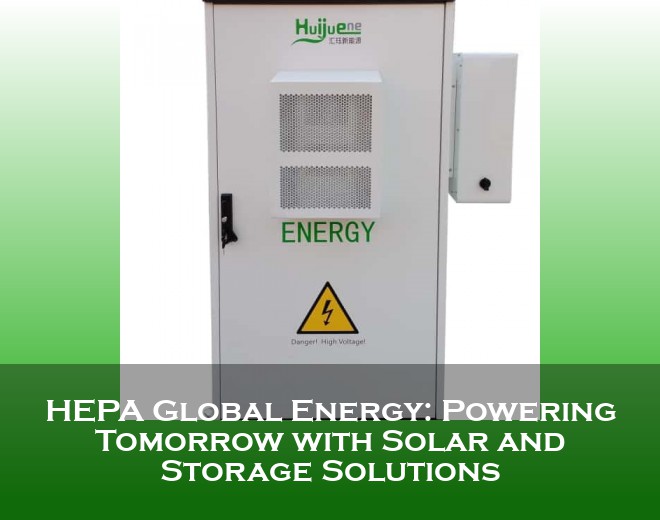
HEPA Global Energy: Powering Tomorrow with Solar and Storage Solutions
You know that frustrating moment when your phone dies during an important call? Now imagine that scenario playing out across entire cities. That's essentially what happened during Texas' 2023 winter storm when renewable energy systems couldn't meet peak demand. The truth is, solar and wind alone can't solve our energy crisis - we need intelligent storage solutions to bridge the gap.
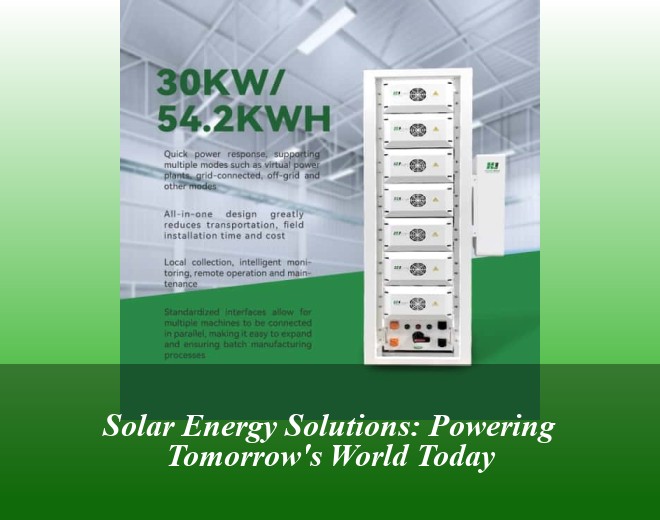
Solar Energy Solutions: Powering Tomorrow's World Today
You'd think with all the hype around solar energy, we'd have solved our energy crises by now. But here's the kicker - global solar adoption grew only 7.2% last year compared to 12% in 2023. What's holding us back? Let's peel the onion.
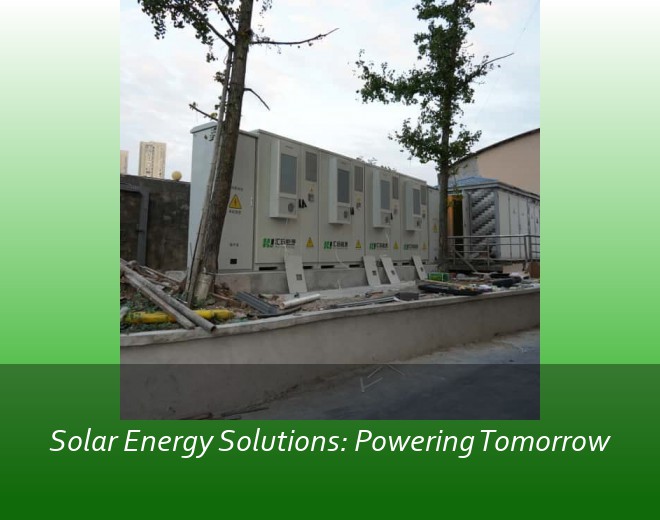
Solar Energy Solutions: Powering Tomorrow
solar energy resources are rewriting global power dynamics. China added 128.94 million kW of solar capacity in just nine months last year, enough to power 18 million homes. But here's the kicker: raw generation numbers only tell half the story. You know what really matters? How we use that energy when the sun isn't shining.
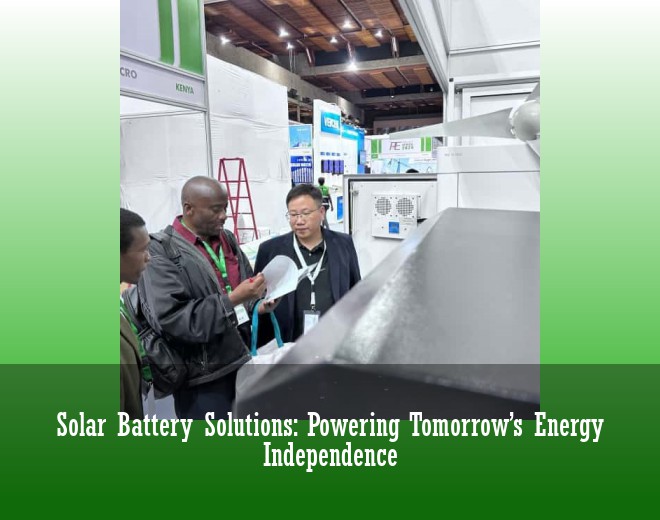
Solar Battery Solutions: Powering Tomorrow’s Energy Independence
You know that feeling when your phone dies right before capturing a perfect sunset? Now imagine that frustration multiplied across entire cities. Solar panels generate clean energy, but photovoltaic energy storage remains the missing puzzle piece in our renewable future. Let’s face it—the sun doesn’t work a 9-to-5 schedule, and neither do our energy needs.
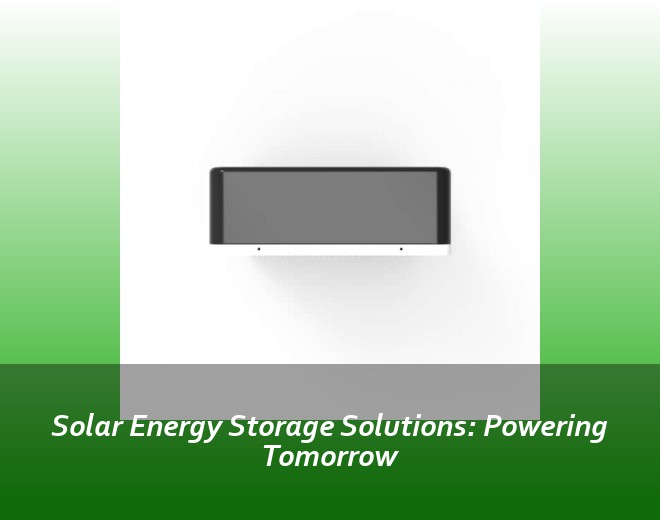
Solar Energy Storage Solutions: Powering Tomorrow
Ever tried charging your phone during a blackout? Now imagine that frustration multiplied across hospitals, factories, and entire cities. The global push for renewable energy integration has hit a critical roadblock - our grids weren't built for intermittent solar and wind power. In California alone, over 2.4 gigawatts of renewable energy got wasted last year due to inadequate storage capacity. That's enough electricity to power 180,000 homes!
 Inquiry
 Online Chat