


Solar Storage Systems: Energy Independence Made Simple
Table of Contents
What Makes Solar Storage Tick?
Ever wondered why California homes kept lights on during 2024's grid failures? The secret sauce was photovoltaic energy storage. These systems capture sunshine like regular solar panels, but here's the kicker – they store excess power for later use through lithium-ion batteries.
Key components work in harmony:
- Solar panels convert sunlight to DC electricity
- Smart inverters transform DC to usable AC power
- Battery banks store surplus energy (typically 10-20kWh capacity)
The Hidden Costs of Going Solo
While off-grid systems promise complete energy freedom, they're not always the smart play. A 2024 study revealed:
| System Type | Installation Cost | Payback Period |
|---|---|---|
| Grid-Tied | $12,000 | 6-8 years |
| Hybrid | $18,500 | 9-11 years |
| Off-Grid | $25,000+ | 12-15 years |
4 Game-Changing System Designs
Let's break down the major players in solar storage:
1. The Night Owl Special (Off-Grid Systems)
Perfect for remote Alaskan cabins, these self-contained units work without utility connections. During December's polar nights, stored solar energy becomes literal lifesaver.
2. The Best of Both Worlds (Hybrid Systems)
Phoenix homeowners love these setups – they draw grid power when batteries dip below 20%, then sell excess energy back during peak rates. Utility companies actually pay you $0.18/kWh in summer months!
When Solar Meets Storage: Success Stories
Remember Texas' 2023 grid collapse? The Johnson farm in Austin kept milking operations running smoothly using:
- 50kW solar array
- Tesla Powerwall battery stack
- Smart load management system
Their secret weapon? Programming water pumps to run only during peak solar production hours, slashing energy waste by 40%.
Picking Your Power Solution
Before jumping on the solar storage bandwagon, ask:
- How many cloudy days does your area average?
- Does your utility offer net metering?
- What's your typical nightly energy consumption?
Pro tip: Time-of-use rates dramatically affect ROI. San Diego users save 30% more by shifting laundry loads to solar peak hours compared to fixed-rate plans.
The Maintenance Myth
Contrary to popular belief, modern systems need less care than your HVAC. Quarterly panel cleaning and annual battery checks keep most systems humming along at 90%+ efficiency for decades.
As solar installers often say, "The best day to go solar was yesterday – the second-best is today." With battery prices dropping 15% annually since 2022, energy independence is becoming reality for mainstream America.
Related Contents
Pole Mounted Solar Systems: Energy Independence Made Simple
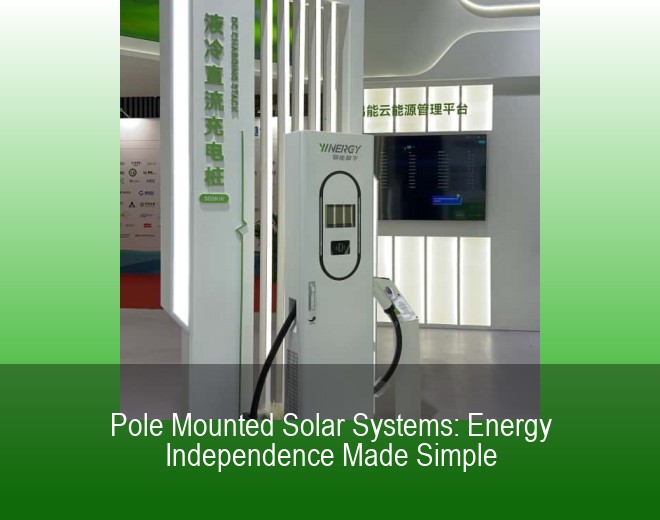
You’ve probably seen rooftop solar panels glittering in suburban neighborhoods. But here’s the kicker: 43% of rural properties can’t use rooftop systems due to shaded areas or unstable roofs. That’s where pole mounted solar with battery systems come roaring in—literally lifting solar arrays above obstructions while storing energy for cloudy days.
Solar, Storage, Power: Energy Independence Made Simple
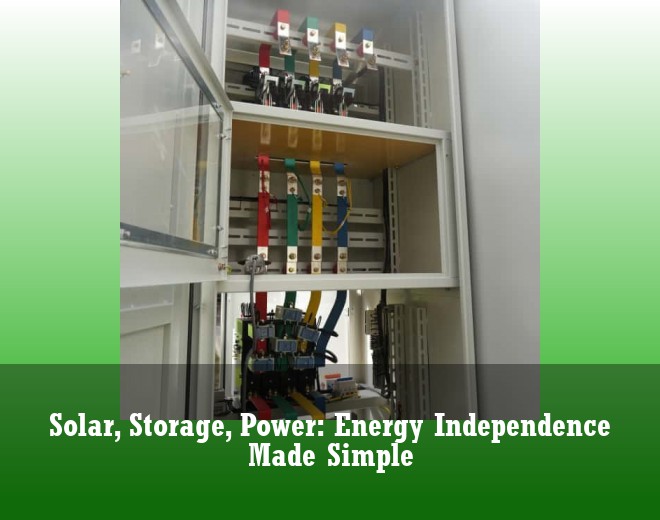
Did you know that 35% of solar energy generated globally gets wasted due to mismatched production and consumption patterns? That's enough electricity to power all of Japan for six months! The culprit? Our current solar infrastructure often operates like a sprinter when we need marathon runners - generating bursts of energy but struggling with consistent delivery.
15kVA Solar Systems: Energy Independence Made Simple
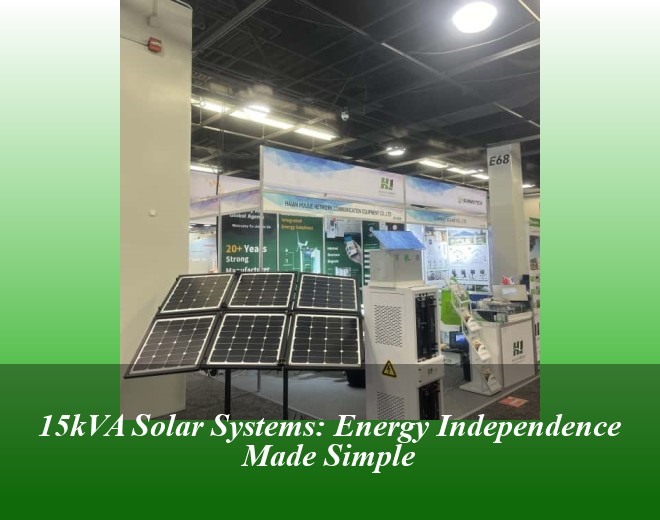
You've probably seen solar panels glittering on rooftops, but what makes a 15kVA system tick? Let's cut through the jargon. This mid-sized setup typically powers 4-6 bedroom homes or small businesses, generating 60-75kWh daily. But here's what most installers won't tell you: panel efficiency matters less than energy storage optimization in real-world conditions.
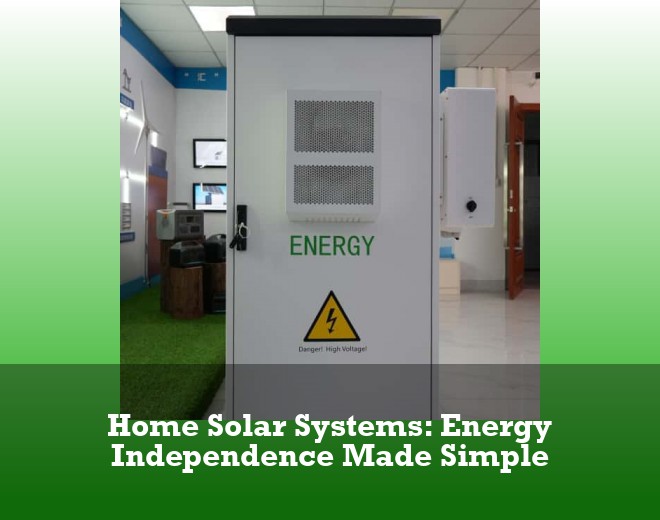
Home Solar Systems: Energy Independence Made Simple
energy bills have become the third biggest household expense for most American families after mortgage and groceries. But what if I told you the solution sits right above our heads? The average U.S. roof receives enough sunlight to power 2-3 typical households... if only we'd capture it properly.
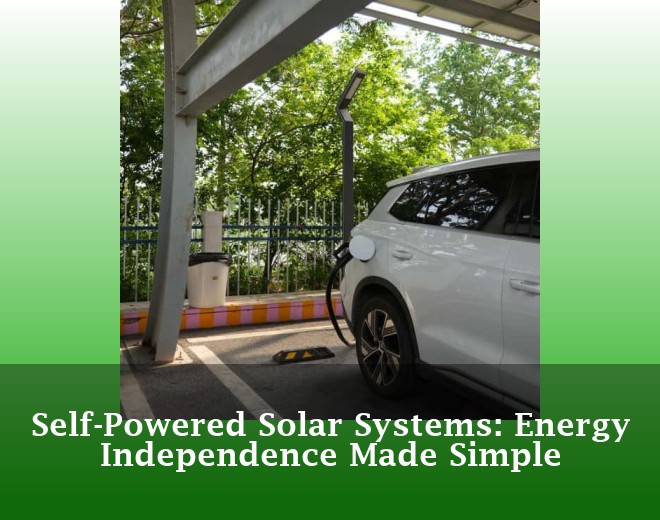
Self-Powered Solar Systems: Energy Independence Made Simple
An autonomous solar system isn't just about panels on a roof - it's a carefully choreographed dance between energy capture, storage, and smart distribution. Unlike grid-tied systems that essentially use the power network as a giant battery, true energy independence requires solving three fundamental challenges:
 Inquiry
 Online Chat