


Grid Modernization: Building the Smart Grid of Tomorrow
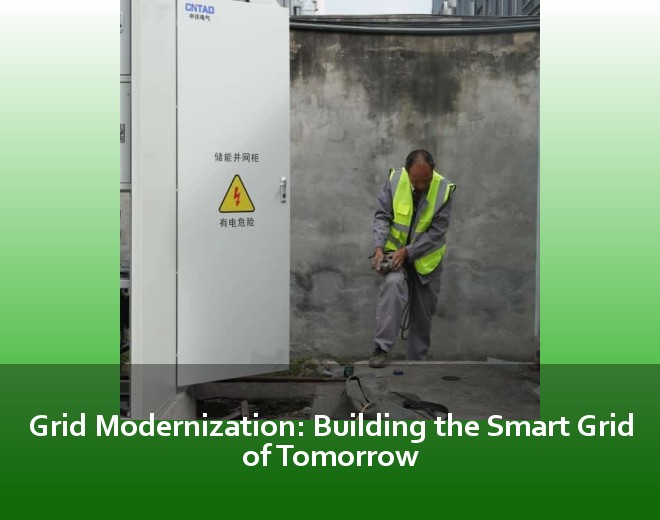
Table of Contents
Why Grid Modernization Can’t Wait
You know how your phone gets slower with every iOS update? Our power grids are stuck running the equivalent of Windows 95 while trying to handle Tesla Superchargers and rooftop solar. The U.S. Department of Energy estimates 70% of transmission lines are over 25 years old - older than most TikTok users' parents. This aging infrastructure causes 6+ hours of annual outages for the average American household, costing businesses $150 billion yearly.
Now consider this: Solar and wind generation grew 12% globally last year, but bidirectional power flows from distributed energy resources are overwhelming traditional one-way grid architectures. It’s like trying to drive a Formula 1 car on a dirt road - the engine’s capable, but the infrastructure can’t handle the performance.
The Renewables Integration Challenge
Here’s the rub - cloud cover can reduce solar output by 80% in minutes. Wind turbines might generate zero power for days during calm periods. Without dynamic voltage regulation and real-time load balancing, these fluctuations destabilize entire networks.
Take California’s duck curve phenomenon. Their grid operators have to rapidly ramp natural gas plants up/down to match solar generation swings - a costly dance that adds $1.2 billion annually in ancillary service costs. Modern power electronics and AI-driven forecasting could slash these expenses by 40%, but only if deployed at scale.
Battery Storage: The Grid’s New Shock Absorber
Lithium-ion batteries aren’t just for EVs anymore. The latest grid-scale systems achieve 94% round-trip efficiency with 4-hour discharge durations. Tesla’s Hornsdale project in Australia - originally a 100MW/129MWh installation - has already prevented $116 million in grid stabilization costs since 2017.
But wait, there’s more. Flow batteries using iron or vanadium electrolytes now offer 20,000+ cycle lifetimes - perfect for daily solar shifting. China’s 800MWh Dalian Flow Battery Project demonstrates how these systems can store excess wind power for 8+ hours. The secret sauce? Decoupling power and energy capacity through liquid electrolyte tanks.
How Smart Grid Technologies Actually Work
Let’s break down the three key components transforming dumb wires into intelligent networks:
- Phasor Measurement Units (PMUs) - GPS-synchronized sensors taking 120 grid measurements per second
- Distributed Energy Resource Management Systems (DERMS) - The air traffic control for rooftop solar and EV chargers
- Advanced Metering Infrastructure (AMI) - Two-way communication enabling time-of-use pricing and demand response
When Hurricane Ian knocked out power to 2.6 million Floridians in 2022, smart grids with self-healing capabilities automatically rerouted power around damaged lines, restoring service 60% faster than conventional networks. Imagine if every city had this tech!
When Theory Meets Practice: Zhejiang’s Tidal-Solar Hybrid
China’s first tidal-solar hybrid plant in Wenling demonstrates grid modernization done right. By combining 100MW solar arrays with tidal generators, the facility maintains stable output despite clouds or calm seas. Their secret? A 5MWh lithium-titanate battery bank buffers short-term fluctuations while pumped hydro handles multi-day storage.
The plant’s predictive maintenance algorithms analyze turbine vibrations and solar panel IV curves to prevent failures before they occur. Since March 2023, this approach has reduced unplanned downtime by 78% compared to conventional plants. Now that’s what I call a grid that works smarter, not harder!
So where does this leave us? Utilities can’t just slap solar panels on rooftops and call it a day. True modernization requires rethinking everything from substation design to consumer rate structures. The grids that will thrive in 2030 are those embracing adaptive protection schemes, granular grid-edge control, and yes - lots and lots of batteries.
Related Contents
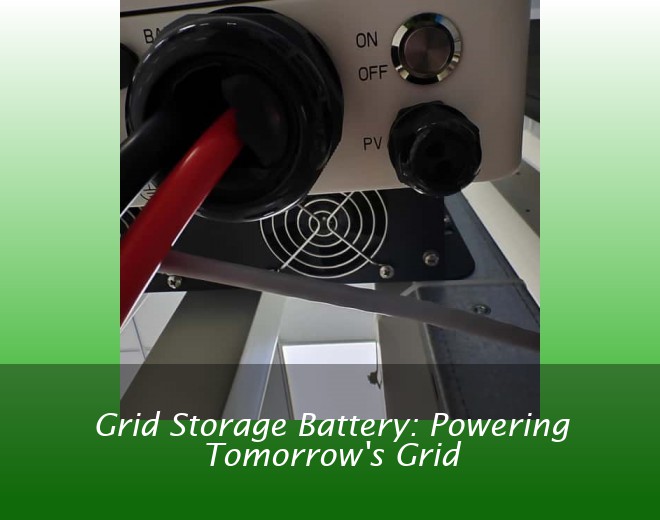
Grid Storage Battery: Powering Tomorrow's Grid
You know how frustrating it is when your phone dies during a video call? Now imagine entire cities facing that problem. Grid storage batteries have become the unsung heroes of our renewable energy transition, with global installations skyrocketing by 200% since 2020. These systems don't just store power—they're rewriting the rules of energy reliability.
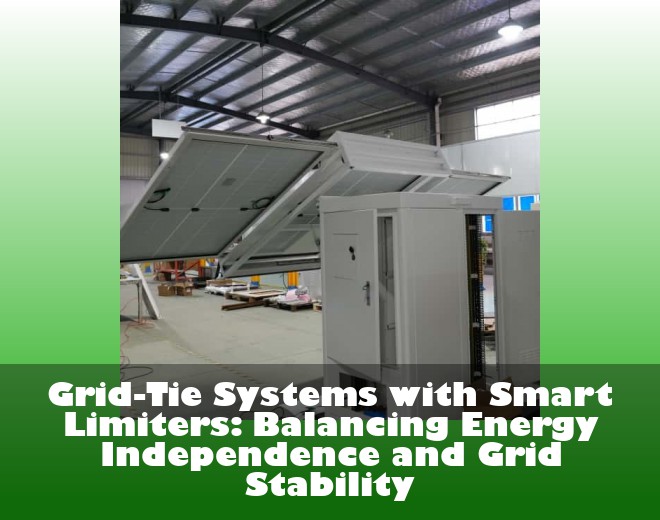
Grid-Tie Systems with Smart Limiters: Balancing Energy Independence and Grid Stability
You know that feeling when your smartphone charger gets too hot? That's grid-tie systems in a nutshell when pushing excess solar power to aging electrical infrastructure. With global photovoltaic capacity hitting 1.2TW last year, utilities are scrambling to manage bidirectional energy flows they never designed their systems to handle.
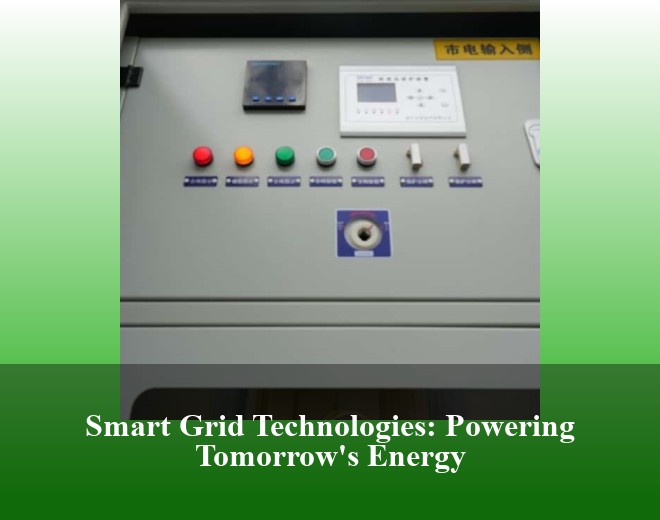
Smart Grid Technologies: Powering Tomorrow's Energy
our century-old power systems weren't built for today's renewable energy revolution. Traditional grids struggle with solar and wind's natural variability, like trying to pour maple syrup through a coffee stirrer. The U.S. Department of Energy estimates that outdated infrastructure causes 14% of generated electricity to simply vanish before reaching consumers.
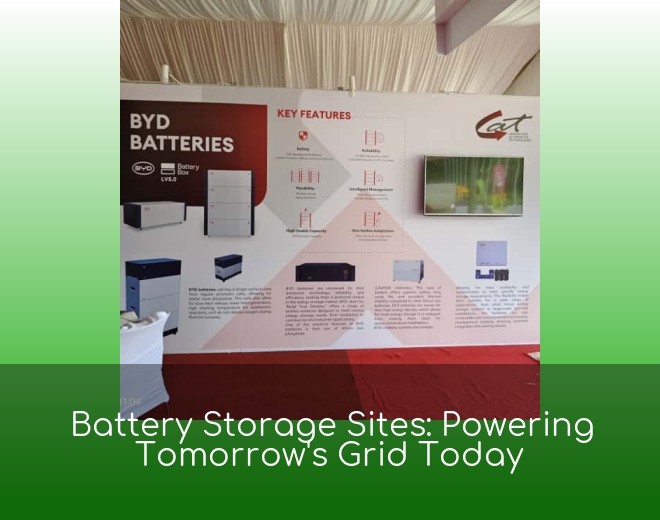
Battery Storage Sites: Powering Tomorrow's Grid Today
Ever wondered how California kept lights on during its 2024 heatwave when solar panels stopped generating at night? The answer lies in football field-sized energy storage facilities filled with lithium-ion batteries. These sites absorbed excess solar energy during daylight and released it when needed most - a real-world example of what we call "energy arbitrage".
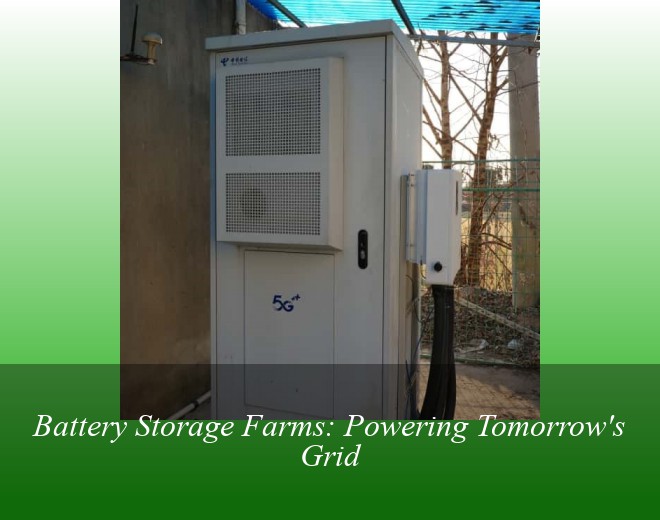
Battery Storage Farms: Powering Tomorrow's Grid
Ever noticed how your smartphone battery dies right when you need it most? Now imagine that frustration multiplied by a million - that's essentially what's happening to power grids worldwide. As renewable energy adoption surges (wind and solar now supply 20% of global electricity), we're facing a peculiar paradox: clean energy abundance during off-peak hours, and scarcity when demand spikes.
 Inquiry
 Online Chat