


Energy Storage Systems: Powering Tomorrow's Grid
Table of Contents
Why Modern Grids Need Smart Energy Storage
It's 7:30 PM in Phoenix, Arizona. Solar panels stop generating as the sun sets, but air conditioners keep humming through the night. Without battery storage systems, this daily mismatch between energy production and consumption would collapse power grids. In 2023 alone, the U.S. wasted 12.6 TWh of renewable energy - enough to power 1.2 million homes for a year.
Here's the kicker: Our transition to renewables isn't just about generating clean energy. It's about storing it intelligently. Traditional grids were designed for predictable fossil fuel plants, not the intermittent nature of solar and wind. That's where modern energy storage solutions come into play, acting as shock absorbers for our evolving energy infrastructure.
From Lithium-Ion to Flow Batteries: The Tech Behind the Magic
Let's break down the three main contenders in the storage arena:
- Lithium-ion batteries (the Tesla Megapack crowd favorite)
- Pumped hydro storage (the silent workhorse providing 95% of global storage)
- Flow batteries (the dark horse using liquid electrolytes)
During Texas' 2024 heatwave, a combination of grid-scale batteries and demand response programs prevented blackouts when temperatures hit 115°F. The secret sauce? Lithium-ion systems provided instant response while flow batteries handled sustained load balancing.
When Storage Saved the Day: California's 2024 Grid Crisis
Remember last winter's "bomb cyclone" that hit California? The state's 4.2 GW battery fleet - equivalent to seven natural gas peaker plants - discharged a record 2.8 GWh during peak demand. This wasn't just technical success; it marked the first time storage outperformed fossil fuels during a major grid emergency.
But here's the rub: Current energy storage technology only addresses short-duration needs (4-6 hours). For multi-day weather events, we're still stuck between a rock and a hard place. That's why companies like Form Energy are betting on iron-air batteries capable of 100-hour discharge cycles.
The $64,000 Question: Can We Store Enough Renewable Energy?
Let's crunch some numbers. To achieve 80% renewable penetration, the U.S. needs 900 GWh of storage capacity by 2040 - a 30x increase from current levels. The lithium supply chain alone would need to grow 5x faster than projected.
But wait - maybe we're asking the wrong question. Instead of chasing infinite storage, should we redesign consumption patterns? Smart EV charging that syncs with grid needs could unlock 200 GW of virtual storage nationwide. That's like adding 50 nuclear plants' worth of flexible capacity without building a single tower.
At Huijue Group's Shanghai R&D center, we've seen firsthand how hybrid systems combining thermal storage with lithium-ion can achieve 92% round-trip efficiency. The trick? Using excess solar to heat ceramic blocks during the day, then releasing the stored thermal energy after dark through heat exchangers.
The storage revolution isn't coming - it's already here. From Australia's "big battery" projects to China's sodium-ion breakthroughs, the pieces are falling into place. What remains is the hardest part: building systems resilient enough for climate extremes yet flexible enough for daily fluctuations. One thing's certain: Without massive leaps in energy storage technology, our renewable future remains stuck in the starting blocks.
Related Contents
Energy Storage Systems: Powering Tomorrow's Grid
It's 7:30 PM in Phoenix, Arizona. Solar panels stop generating as the sun sets, but air conditioners keep humming through the night. Without battery storage systems, this daily mismatch between energy production and consumption would collapse power grids. In 2023 alone, the U.S. wasted 12.6 TWh of renewable energy - enough to power 1.2 million homes for a year.
Energy Storage Systems: Powering Tomorrow's Grid
Ever wondered why your solar-powered neighbor still relies on the grid at night? The harsh truth is that renewable energy sources like solar and wind generated 30% excess electricity during peak hours last year that simply went unused. This mismatch between production and consumption creates what industry experts call "the duck curve" - that awkward belly shape in net load charts that keeps utility managers awake.
Solar Energy Storage Systems: Powering Tomorrow’s Grid
Let’s face it: solar panels and wind turbines alone won’t fix our energy woes. The real headache? Storing that energy efficiently. Peak shaving, grid resilience, and fluctuating demand—these issues keep engineers awake at night. In 2024 alone, over 30% of solar projects in Europe faced delays due to storage bottlenecks. But here’s the kicker: advancements in battery storage solutions are quietly rewriting the rules.
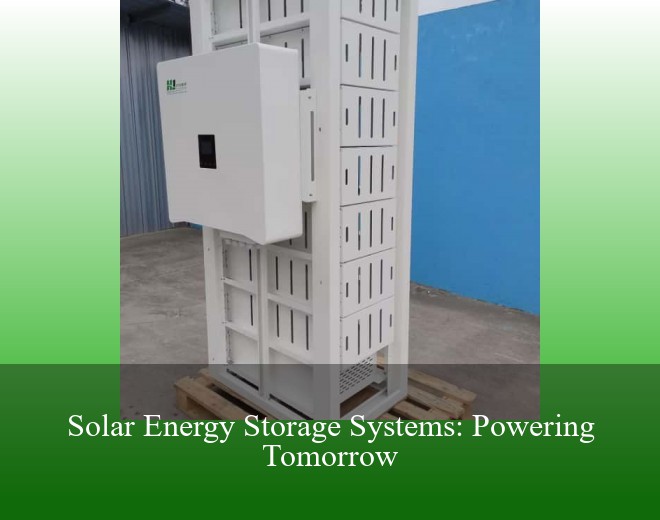
Solar Energy Storage Systems: Powering Tomorrow
You know how frustrating it is when your phone dies during a video call? Now imagine that problem scaled up to power grids. Solar energy storage systems have emerged as the missing puzzle piece in renewable energy adoption. While solar panels generate clean power, their intermittent nature creates a "feast or famine" scenario - exactly when we need electricity most (like cloudy days or evenings), production plummets.
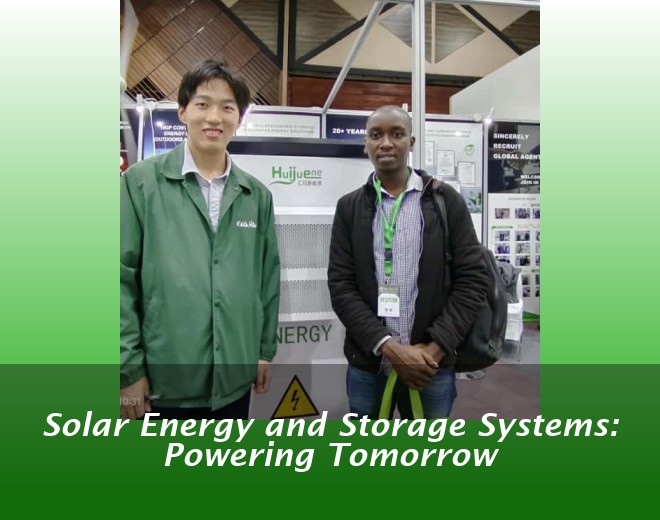
Solar Energy and Storage Systems: Powering Tomorrow
You know that feeling when your phone dies during a video call? Now imagine scaling that frustration to power grids. Despite generating 24% more solar power in 2022 (EU data), we're still losing enough energy annually to power Australia for six months. The culprit? Inefficient storage.
 Inquiry
 Online Chat