


HESS Energy Systems: Powering Tomorrow's Grid
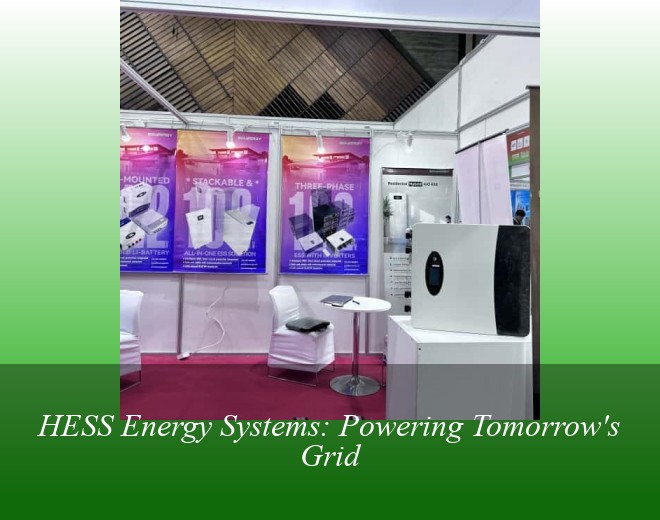
Table of Contents
Why Renewable Energy Needs Better Storage
solar panels don't work at night, and wind turbines stand still on calm days. This intermittency issue causes energy waste that would power 15 million homes annually according to NREL data. Traditional lithium-ion batteries alone can't handle the rapid charge-discharge cycles required for grid stabilization.
How HESS Solves Modern Grid Challenges
Hybrid Energy Storage Systems combine lithium batteries' endurance with supercapacitors' burst power. Imagine a sprinter (supercapacitor) handing the baton to a marathon runner (battery) - that's HESS in action. Recent projects show 40% longer equipment lifespan compared to single-tech systems .
Technical Breakdown
A typical HESS includes:
- Lithium iron phosphate (LFP) battery banks (70% capacity)
- Supercapacitor arrays (30% peak load handling)
- Multi-port PCS (Power Conversion System)
Anatomy of a Hybrid Energy Storage System
The real magic happens in the BMS (Battery Management System) that juggles:
"It's like conducting an orchestra where violinists (batteries) maintain the melody while percussionists (supercaps) handle dramatic accents." - Dr. Emily Zhou, Huijue Group
When Theory Meets Practice: Shanghai Industrial Park Case
Last month, a 50MW/200MWh HESS installation achieved 99.7% uptime during typhoon season. The secret sauce? Predictive algorithms using:
- Real-time weather data
- Machine learning-based load forecasting
- Dynamic tariff optimization
The Uncharted Territory of Energy Storage
While HESS adoption grows at 19.8% CAGR in China , challenges remain. Battery degradation patterns in hybrid configurations still puzzle researchers. But here's the kicker - early adopters report 30% faster ROI compared to conventional systems.
Could zinc-air batteries or graphene supercaps rewrite the rules? Possibly. What's certain is that energy storage will determine how fast we transition to renewable dominance.
Related Contents
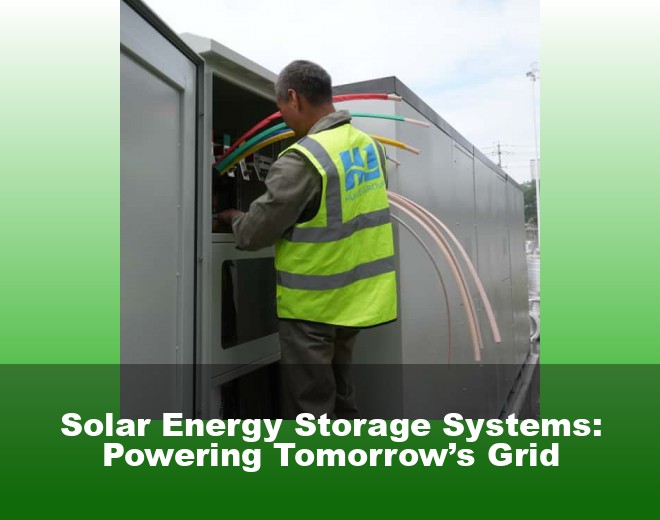
Solar Energy Storage Systems: Powering Tomorrow’s Grid
Let’s face it: solar panels and wind turbines alone won’t fix our energy woes. The real headache? Storing that energy efficiently. Peak shaving, grid resilience, and fluctuating demand—these issues keep engineers awake at night. In 2024 alone, over 30% of solar projects in Europe faced delays due to storage bottlenecks. But here’s the kicker: advancements in battery storage solutions are quietly rewriting the rules.
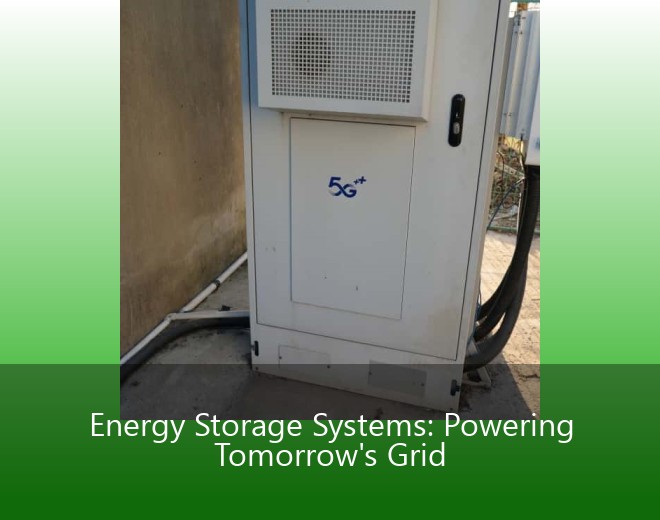
Energy Storage Systems: Powering Tomorrow's Grid
Germany generated 52% of its electricity from renewables last quarter – but nearly 15% got wasted during low-demand periods. That's enough to power 1.2 million homes for a month! Our grids weren't built for intermittent energy sources, creating a $17 billion annual problem in curtailment costs worldwide.
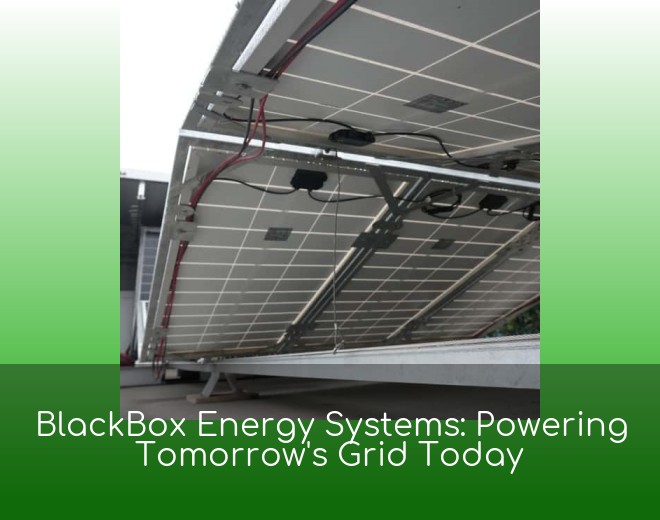
BlackBox Energy Systems: Powering Tomorrow's Grid Today
You know that sinking feeling when your phone battery hits 5% during a video call? Now imagine that at grid scale. Our energy transition faces three stubborn roadblocks:
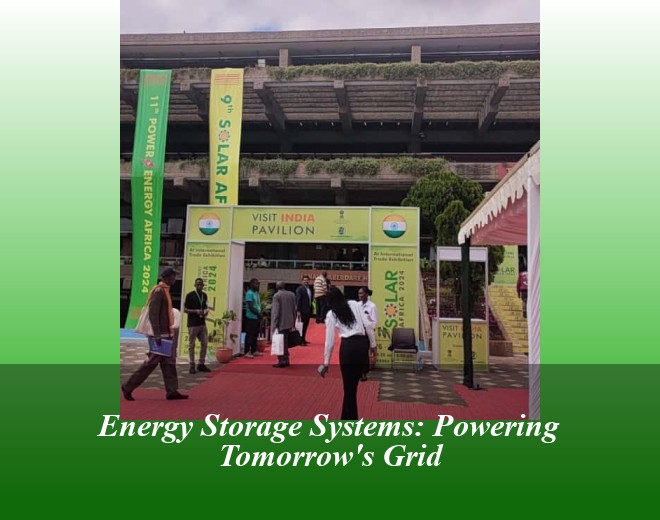
Energy Storage Systems: Powering Tomorrow's Grid
You know what's wild? California recently had to shut off 1,200 MW of solar power because the grid couldn't handle midday surplus. That's enough electricity for 900,000 homes – gone. This isn't just a California problem; Germany wasted 6% of its renewable generation last year through curtailment. Battery storage could've saved that energy for cloudy days.
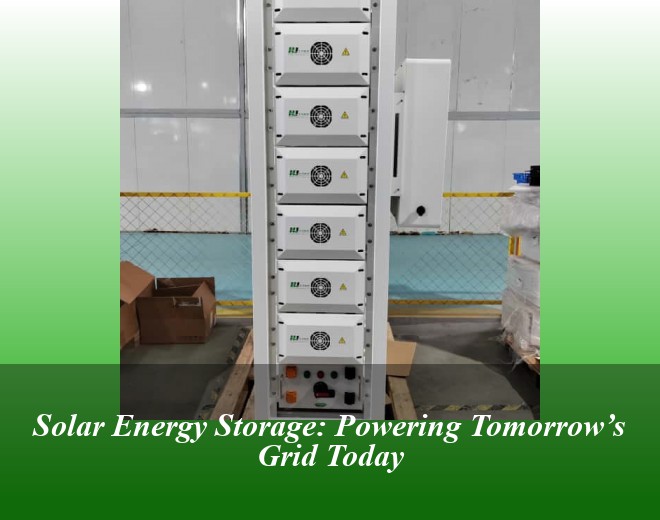
Solar Energy Storage: Powering Tomorrow’s Grid Today
You’ve probably heard the solar energy paradox: photovoltaic panels generate the most power when we need it least – sunny afternoons – and go silent right when we crank up our air conditioners at dusk. This mismatch costs the global renewable sector an estimated $12 billion annually in curtailed energy production.
 Inquiry
 Online Chat