


Solar and Battery Storage Costs Decoded
Table of Contents
The Price Plunge: Why Solar and Batteries Are Cheaper Than Ever
Let's start with a jaw-dropper: solar panel costs have dropped 87% since 2013, while battery storage prices fell 85% in the same period. That's like your smartphone bill shrinking from $100 to $13 monthly. But what's driving this dramatic shift?
The Triple Engine of Affordability
Imagine three gears meshing perfectly:
- Manufacturing innovations (thinner silicon wafers, automated production)
- Market competition (500+ global solar manufacturers)
- Policy pushes (tax credits covering 30% of U.S. installations)
Take lithium-ion batteries – they've achieved what experts once called impossible. The International Energy Agency reports battery costs dropped 90% since 2010. That's not just progress; it's a complete market transformation.
What You're Really Paying For: System Component Costs
Here's where your dollars actually go in a typical 10kW residential system:
| Component | Cost Range | % of Total |
|---|---|---|
| Solar Panels | $0.20-$0.50/W | 25% |
| Battery Storage | $1,000-$1,500/kWh | 40% |
| Inverter | $0.10-$0.30/W | 15% |
| Installation | $0.50-$1.00/W | 20% |
Wait, no – that battery cost needs context. While professional installation averages $1,500/kWh, DIY enthusiasts using new modular systems report costs below $800/kWh. The gap? Labor and warranty assurances.
When Bigger Isn't Better
Commercial-scale projects tell a different story. Utility-scale solar now hits $0.04/kWh unsubsidized, cheaper than 99% of coal plants. But here's the kicker: adding battery storage adds just $0.02-$0.05/kWh, making solar+storage competitive with natural gas peaker plants.
Beyond Technology: The Hidden Forces Shaping Prices
Technical specs only tell half the story. Let's unpack three underappreciated factors:
- Financing innovation: Solar-as-a-service models eliminate upfront costs
- Material science breakthroughs: Perovskite solar cells hitting 33.7% efficiency
- Recycling infrastructure: 95% battery material recovery rates cutting future costs
Consider California's duck curve phenomenon – too much midday solar leading to negative electricity prices. This isn't just a technical glitch; it's reshaping how utilities value energy storage. Batteries aren't just storage devices anymore – they're grid-balancing cash machines.
Future-Proofing Your Energy Strategy
Where's this headed? The MCC Institute projects solar could supply 100% of global energy needs by 2050. But let's get practical – what should you do today?
Here's my contrarian take: don't wait for cheaper tech. Current price decline rates (about 10% annually) mean delaying a $20k installation by two years only saves $4k – but you'd lose $3k in energy savings. The sweet spot? Install now but choose modular systems allowing easy battery upgrades.
A Texas homeowner installed panels in 2020, added batteries in 2023, and is now selling grid-balancing services. Their system paid off in 6 years instead of the projected 10. That's not luck – it's strategic cost optimization.
As battery chemistries evolve (solid-state, flow, iron-air), focus on interoperability. Your future-proof system should embrace today's lithium-ion while preparing for tomorrow's breakthroughs. After all, the energy revolution isn't coming – it's already here, and it's priced to sell.
Related Contents
Solar Panels and Battery Storage Costs Decoded
Let's cut through the hype - a typical 6kW solar array with 10kWh battery backup now costs $18,000-$25,000 after tax credits in most U.S. states. But wait, that's before you factor in California's SGIP rebates or Texas' property tax exemptions. The national average payback period? Down to 8.7 years from 12.5 years in 2020.
Solar and Battery Storage Costs Decoded
Let's start with a jaw-dropper: solar panel costs have dropped 87% since 2013, while battery storage prices fell 85% in the same period. That's like your smartphone bill shrinking from $100 to $13 monthly. But what's driving this dramatic shift?
Solar Panel and Battery Costs Decoded
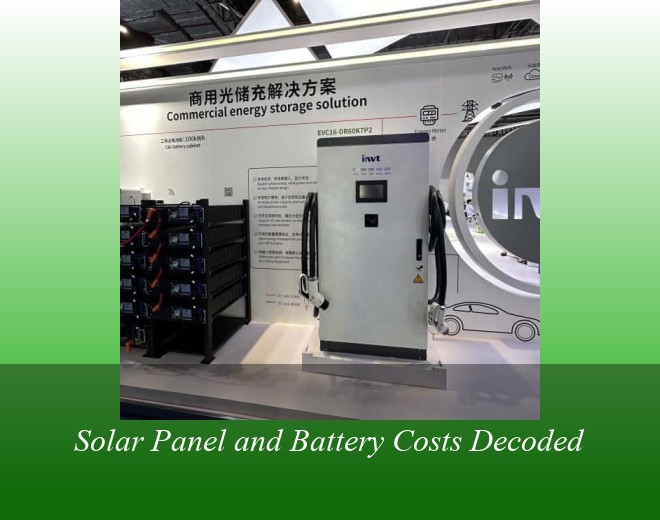
Let's cut through the hype - the average solar panel system with battery backup now costs $18,300 to $36,500 installed in the U.S. But wait, no... that's actually down 42% from 2019 prices according to NREL's latest data. What's driving this shift? A perfect storm of improved manufacturing and, frankly, some desperate Chinese suppliers flooding the market.
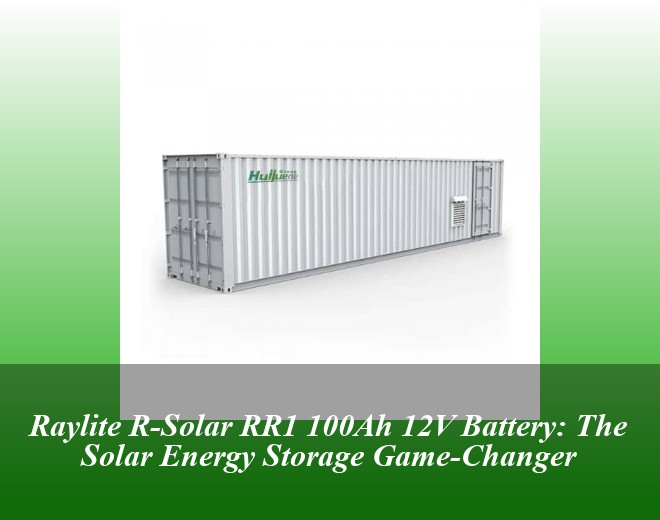
Raylite R-Solar RR1 100Ah 12V Battery: The Solar Energy Storage Game-Changer
Ever wondered why some solar batteries fail within 2 years while others thrive for a decade? The secret lies in Absorbent Glass Mat (AGM) design - the backbone of Raylite's R-Solar RR1 series. Unlike flooded lead-acid batteries that lose 30% capacity in the first year, our 100Ah deep-cycle battery maintains 92% capacity after 1,000 cycles.
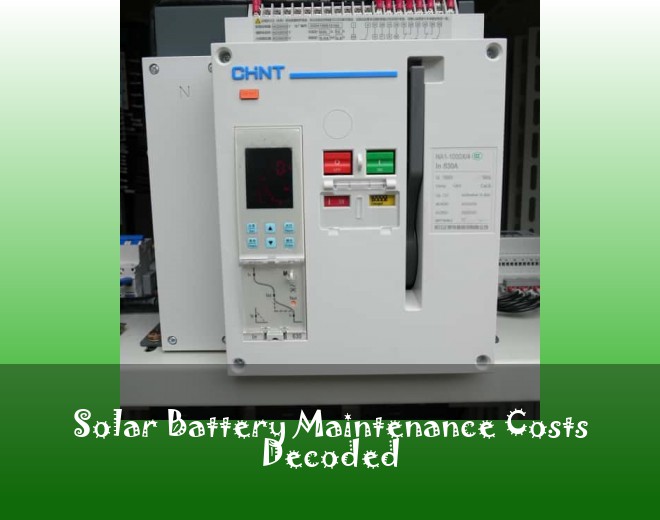
Solar Battery Maintenance Costs Decoded
You've probably heard the solar success stories - the California homeowner who eliminated their power bill, the Texas ranch running entirely off-grid. But here's what they're not telling you: battery maintenance costs solar projects more than you'd think. Recent data from the Renewable Energy Maintenance Alliance shows storage system upkeep consumes 23-41% of total ownership expenses.
 Inquiry
 Online Chat