


Solar Energy Storage: Powering Tomorrow's Grid
Table of Contents
When the Grid Can't Keep Up
You know that sinking feeling when your phone battery hits 5% during a video call? Now imagine entire cities experiencing that panic. Last winter's Texas grid failure left 4.5 million homes freezing in the dark - a stark reminder of our energy infrastructure vulnerabilities.
Traditional power plants struggle with renewable energy's intermittent nature. Solar panels go quiet at night, wind turbines stall in calm weather. This mismatch creates a dangerous dance between energy supply and demand. The solution? Think of battery storage systems as shock absorbers for the grid.
The Duck Curve Dilemma
California's grid operators coined the term "duck curve" to describe solar energy's midday surge and evening crash. Without storage, utilities must ramp up fossil fuel plants rapidly - like trying to U-turn a cruise ship. Energy storage smooths these transitions, preventing blackouts and reducing emissions.
How Batteries Changed the Game
Lithium-ion batteries have undergone a quiet revolution. Since 2010, their costs plummeted 89% while energy density tripled. But here's the kicker - current systems only store about 4 hours of electricity. The real magic happens when we combine different storage durations.
"Our Nigeria office ran entirely on solar+storage during last month's grid outages. The local staff didn't even notice the power cuts." - Huijue Group Field Report
Inside Modern Storage Systems
Let's break down a typical photovoltaic storage system:
- Solar panels (DC electricity generation)
- Charge controller (the traffic cop)
- Lithium batteries (energy vault)
- Inverter (DC to AC conversion)
- BMS (battery's brain)
The Battery Management System acts like a neurosurgeon, constantly monitoring cell voltages and temperatures. One bad cell can ruin the whole battery pack - remember the Samsung Note 7 fiasco?
Chemistry Matters
While lithium dominates headlines, flow batteries using liquid electrolytes are gaining ground for grid-scale storage. Their tanks can store energy for 10+ hours versus lithium's 4-hour limit. But they're about as graceful as a hippo in a ballet studio - great for stationary use, terrible for mobility.
Storage in Action
Take Hawaii's Kauai Island Utility Cooperative. They've replaced diesel generators with a solar+storage system that provides 11% of the island's power after sunset. The result? Electricity prices dropped 18% while reliability improved.
For homeowners, modern systems offer backup power during outages. Imagine your fridge staying cold during hurricanes because your home energy storage automatically kicks in. No more lost groceries or melted ice cream!
The Payback Period Puzzle
Here's where math gets interesting. A 10kWh residential system costs about $14,000 installed. With time-of-use billing, Californians can save $1,200/year by avoiding peak rates. That's an 11-year break-even point - not exactly get-rich-quick territory. But add solar panel savings and the equation changes dramatically.
Roadblocks to Adoption
Safety remains a thorny issue. Last year's Arizona battery fire took 100 firefighters to contain. New regulations require thermal runaway containment systems - basically firebreaks between battery modules. It's like building submarine compartments for energy storage.
Recycling presents another hurdle. Current methods recover only 50% of battery materials. Startups are developing hydrometallurgical processes that could boost recovery to 95%, turning old batteries into literal gold mines.
The industry's growing pains remind me of early internet days - incredible potential mixed with frustrating limitations. But with climate clocks ticking, we can't afford to wait for perfect solutions. Every solar panel installed and battery deployed buys us time in this race against global warming.
Related Contents
Solar Energy Storage: Powering Tomorrow's Grid
Can we really power entire cities with solar alone? The harsh truth is that solar energy storage remains the missing puzzle piece in our renewable revolution. While solar panels now account for 15% of new power installations globally, their intermittent nature causes grid instability that costs billions annually.
Solar Energy Storage: Powering Tomorrow's Grid
You know what they say about solar power - it's sort of like that friend who's great at parties but disappears when you need help moving furniture. The solar utility sector generated 227 TWh globally last year, yet 35% of that potential gets wasted due to mismatched supply and demand. Why? Because photovoltaic panels overproduce at noon and go dark by dusk.
Solar Energy Battery Storage: Powering Tomorrow’s Grid Today
Let’s cut to the chase: **solar energy battery storage** isn’t just a nice-to-have—it’s the linchpin of our clean energy transition. Imagine this: California generated so much solar power last summer that grid operators paid neighboring states to take the excess. Meanwhile, Texas faced blackouts during winter storms because frozen wind turbines couldn’t deliver. What’s missing? A reliable way to store renewable energy when the sun isn’t shining or the wind isn’t blowing.
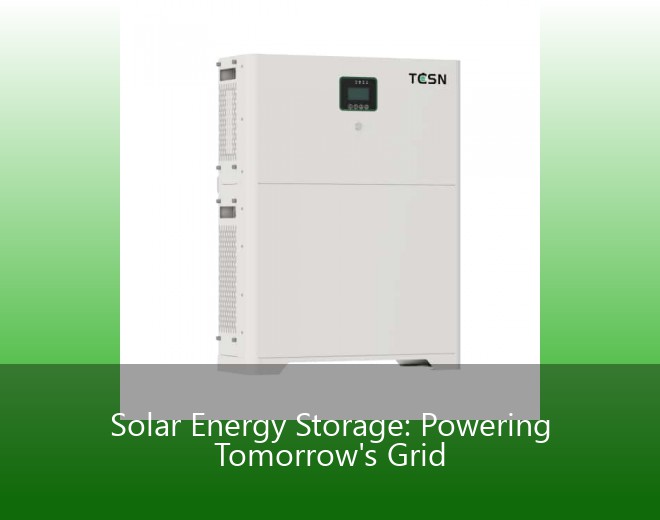
Solar Energy Storage: Powering Tomorrow's Grid
It’s 2 AM in California, and solar farms sit silent while homes blast AC. This nightly mismatch explains why global energy waste from renewable curtailment hit 58 TWh in 2024 – enough to power Denmark for a year. The culprit? Intermittency. Without storage, solar’s true potential remains locked.
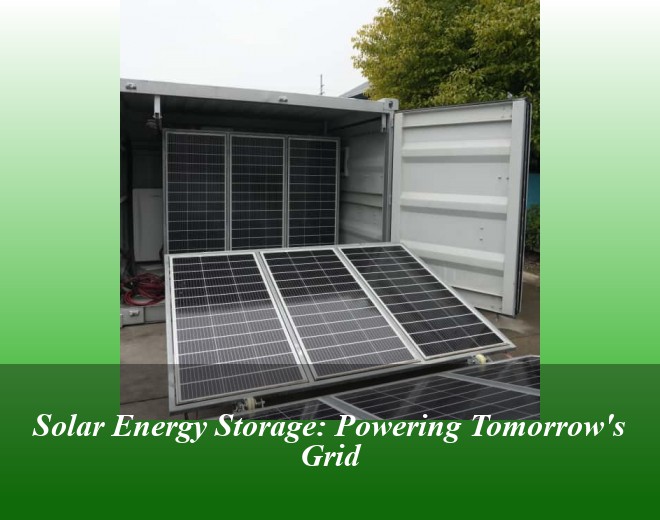
Solar Energy Storage: Powering Tomorrow's Grid
Let's cut through the marketing fluff - modern solar energy storage systems aren't just oversized phone batteries. They're sophisticated energy managers using lithium-ion batteries paired with smart inverters. The magic happens through three key components:
 Inquiry
 Online Chat