


Backup Electricity Systems: Bridging the Renewable Gap
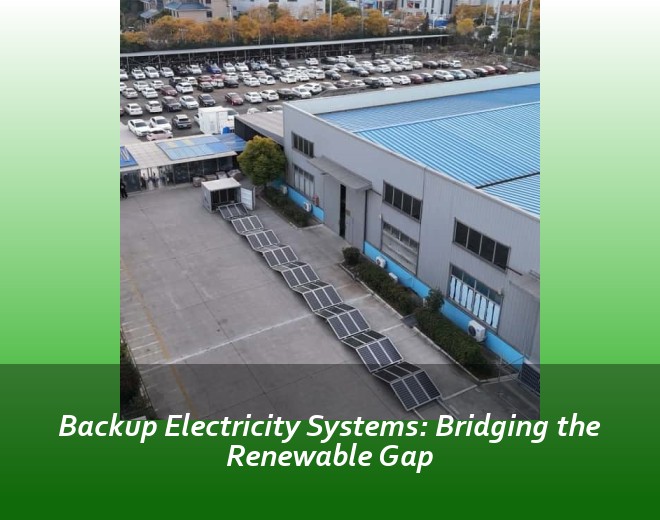
Table of Contents
Why Modern Grids Need Backup Electricity
Imagine hospitals losing power during surgery. Data centers wiping financial records. Water treatment plants failing during heatwaves. This isn't dystopian fiction - it's what happens when backup power systems fail. In March 2025, California's grid operators narrowly avoided blackouts using Tesla's Megapack batteries , proving storage solutions aren't just optional anymore.
The Duck Curve Dilemma
Solar panels flood grids with midday power but leave dangerous gaps at dusk. "We're essentially trying to power Netflix-and-chill evenings with morning coffee energy," says GridX analyst Maria Chen. The solution? Energy storage that acts like a time machine for electrons.
The Battery Storage Revolution
Lithium-ion batteries dominate 92% of new installations, but alternatives are emerging:
- Flow batteries (4-hour to 100-hour storage)
- Thermal storage using molten salt
- Compressed air in underground caverns
Wait, no - compressed air isn't new exactly. Actually, the Diablo Canyon project repurposed natural gas caves for 400MW storage last month, showing how legacy infrastructure gets second lives.
Solar+Storage: Powering Through the Night
When Huijue Group installed 50MW solar arrays with zinc-bromine flow batteries in Arizona, they achieved 83% after-sunset power coverage. "It's like teaching sunflowers to glow in the dark," quips project lead Dr. Amanda Wu.
Financial Math That Works
The levelized cost of solar+storage dropped to $45/MWh in 2024 - cheaper than natural gas peaker plants. Utilities are finally listening: Xcel Energy plans 12GW storage additions by 2027.
Texas 2021 Blackout: A $130 Billion Wake-Up Call
During Winter Storm Uri, frozen instruments and gas shortages caused cascading failures. Now, ERCOT requires weatherized backup power sources for all critical infrastructure. WETOWN's modular microgrids powered 17 hospitals through 2023's ice storms using liquid-cooled batteries.
Beyond Lithium: The Sodium-Ion Horizon
Chinese manufacturers mass-produced sodium-ion batteries last quarter - no cobalt, better fire resistance, perfect for stationary storage. They might not power your Tesla, but could anchor neighborhood grids. "It's like switching from bottled water to tap," explains materials scientist Raj Patel. "The economics change completely."
As we approach Q4 2025, watch for new DOE grants targeting long-duration storage prototypes. The race isn't just about storing energy - it's about storing confidence in our electrified future.
Related Contents
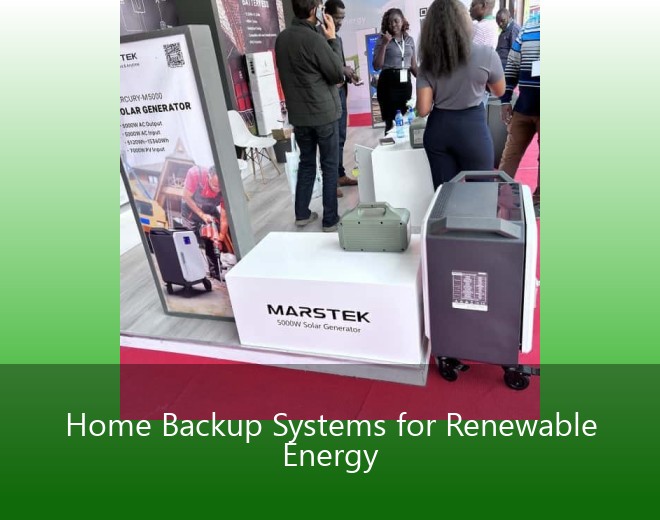
Home Backup Systems for Renewable Energy
You know what's home backup system users discovered last winter? Over 40% of U.S. households experienced power outages lasting 4+ hours during severe storms. Wait, no – actually, the real shocker came from California's "atmospheric river" events this January. Thousands invested in residential energy storage post-crisis, creating 300% sales spikes for solar battery installers.
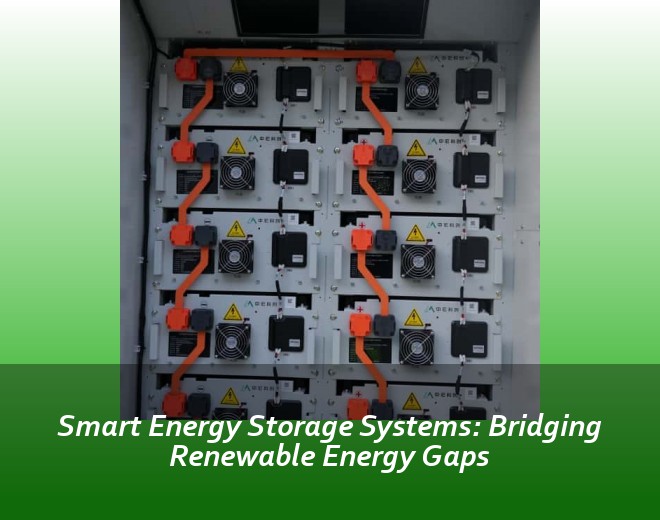
Smart Energy Storage Systems: Bridging Renewable Energy Gaps
Ever wondered why we can't just power everything with solar and wind? The truth is, renewable energy intermittency creates a rollercoaster effect on power grids. Solar panels sit idle at night while wind turbines freeze during calm spells - it's like trying to drink from a firehose that keeps turning on and off.
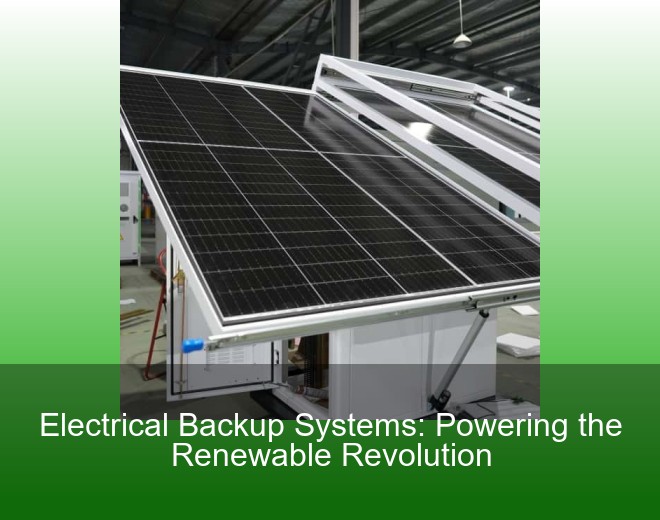
Electrical Backup Systems: Powering the Renewable Revolution
Why do modern cities still experience blackouts despite our renewable energy advancements? The answer lies in the fundamental mismatch between intermittent solar/wind generation and our 24/7 power demands. In 2025 alone, California's grid operator reported 127 instances of curtailment - wasted renewable energy that couldn't be stored .
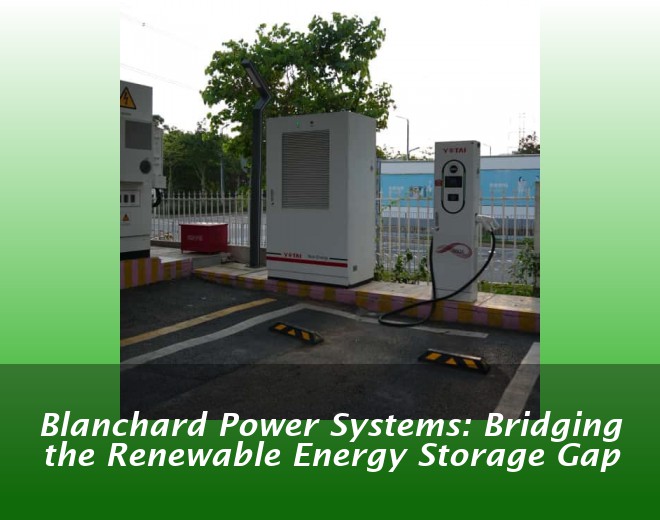
Blanchard Power Systems: Bridging the Renewable Energy Storage Gap
solar panels have become almost ubiquitous on rooftops worldwide, yet we're still burning fossil fuels when the sun goes down. Why hasn't energy storage kept pace with solar adoption? The answer lies in three fundamental mismatches:
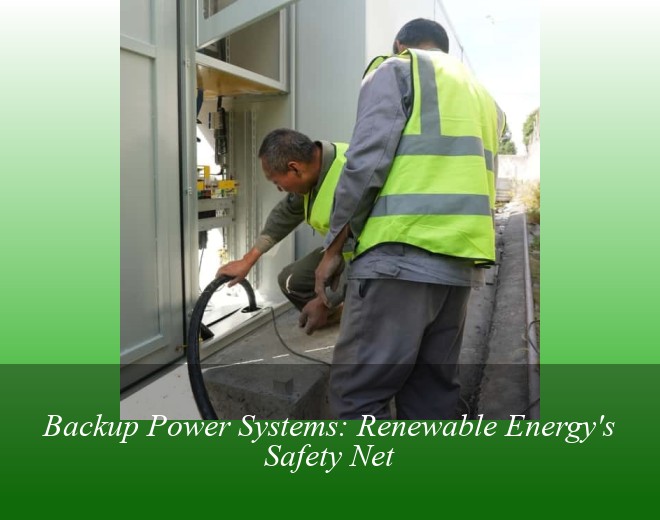
Backup Power Systems: Renewable Energy's Safety Net
Ever wondered why your lights flicker during storms despite living in the 21st century? The brutal truth is our power infrastructure still operates like a 1950s muscle car in an era of electric vehicles. Last winter's Texas grid collapse left 4.5 million homes freezing - a wake-up call written in icicles.
 Inquiry
 Online Chat