


Best Energy Storage Companies 2024
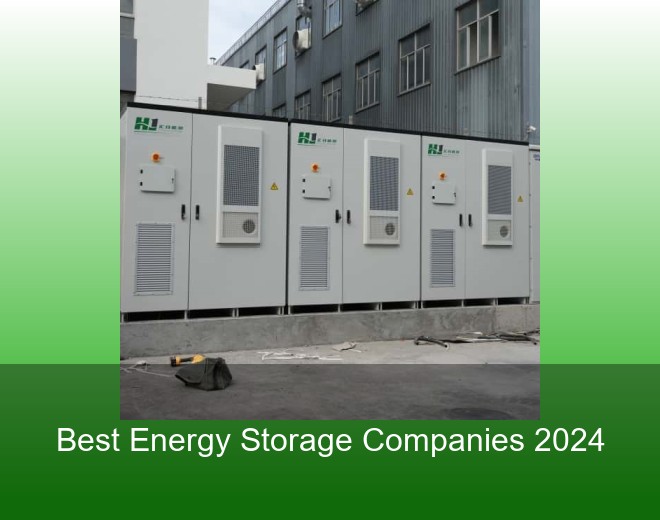
Table of Contents
Why 2024's Energy Storage Market Looks Different
the best energy storage companies aren't just selling batteries anymore. They're selling grid resilience, renewable integration, and energy independence. The latest Wood Mackenzie report shows Tesla reclaiming the top spot with 15% market share, while Chinese firms now occupy 6 of the top 10 positions globally. But what's driving this tectonic shift?
Well, here's the kicker: market concentration actually decreased by 24% year-over-year. It's not that the big players are shrinking - they're being outpaced by new entrants. "The barrier to entry is lower than ever," notes Kevin Shang from Wood Mackenzie. "We're seeing regional specialists outmaneuver global giants in their home markets."
The China Factor
Chinese manufacturers installed more storage capacity than any other nation in 2023. Take China CRRC's meteoric rise - unknown internationally three years ago, now they're #3 globally by project volume. Their secret? A vertically integrated model controlling everything from lithium mining to system commissioning.
The New Power Players in Battery Storage
While Tesla and Fluence still dominate headlines, the real action's happening further down the rankings. Haibo Sichuang (#5 globally) grew 300% year-over-year through modular system designs. But here's the twist - success now requires mastering three contradictory skills:
- Cost leadership (sub-$100/kWh systems)
- Grid-forming capabilities
- Cybersecurity certifications
Take Trina Solar's storage division. They cracked the code by combining battery energy storage systems with existing solar inverters - a move that slashed balance-of-system costs by 40%. "It's not about having the best battery chemistry anymore," their CTO told me. "It's about system-level optimization."
Storage Innovations Changing the Game
2024's breakthroughs aren't what you'd expect. Forget solid-state batteries - the real action's in software. Fluence's new AI-powered bidding system reportedly boosts storage revenues by 18% in merchant markets. Then there's Sungrow's "liquid cooling 2.0" tech that cuts thermal runaway risks by 92%.
But wait, here's something you might've missed: the rise of storage-as-a-service models. Companies like Wärtsilä now offer capacity subscriptions instead of outright sales - a game-changer for cash-strapped utilities. In Q1 2024 alone, this model accounted for 37% of new US commercial deployments.
Where the Storage Wars Are Heating Up
Europe's becoming a battleground with Nidec, Tesla and BYD controlling 68% of the market. Meanwhile in North America, the IRA's domestic content rules created two parallel markets - premium-priced US-made systems vs discounted imports. Tesla cleverly navigated both by opening a Texas megafactory while maintaining Chinese production for non-subsidized projects.
Asia's a different beast entirely. CATL and BYD dominate battery supply, but system integration remains fragmented. The real dark horse? India's emerging storage ecosystem, projected to grow 800% by 2027 as solar curtailment hits critical levels.
When Storage Solutions Made History
Let's get concrete. When Texas faced another grid emergency in January 2024, Fluence's 900MW portfolio responded within milliseconds - preventing blackouts while earning $18 million in 72 hours. Or consider Haibo Sichuang's desert installation in Xinjiang, where their sand-resistant battery cabinets maintained 98% performance in 55°C heat.
Then there's the curious case of China CRRC. Originally a train manufacturer, they repurposed rail battery tech for grid storage. Their secret sauce? Ultra-dense battery packs designed to survive decades of vibration - perfect for harsh environments. Last quarter, they secured 2GWh of Australia's mining sector contracts.
As we head deeper into 2024, one thing's clear: the energy storage leaders aren't just competing on price or technology. They're racing to build ecosystems - integrating with renewable developers, virtual power plants, and even EV charging networks. The companies that master these connections will likely dominate the next decade of energy transition.
Related Contents
Best Energy Storage Companies 2024
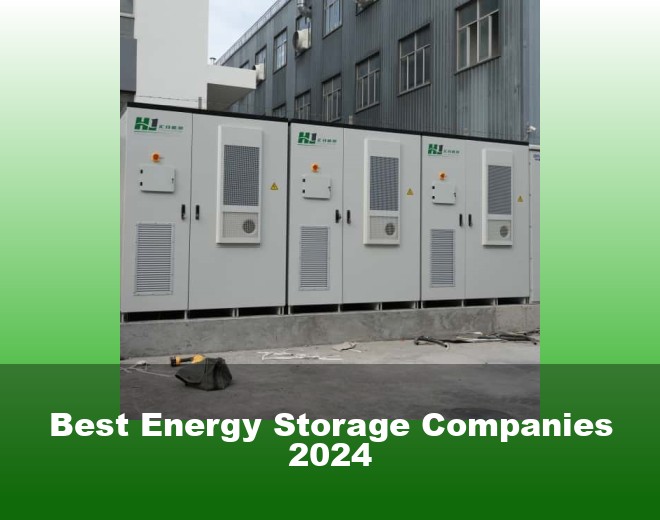
the best energy storage companies aren't just selling batteries anymore. They're selling grid resilience, renewable integration, and energy independence. The latest Wood Mackenzie report shows Tesla reclaiming the top spot with 15% market share, while Chinese firms now occupy 6 of the top 10 positions globally. But what's driving this tectonic shift?
Best Solar Batteries for Efficient Energy Storage
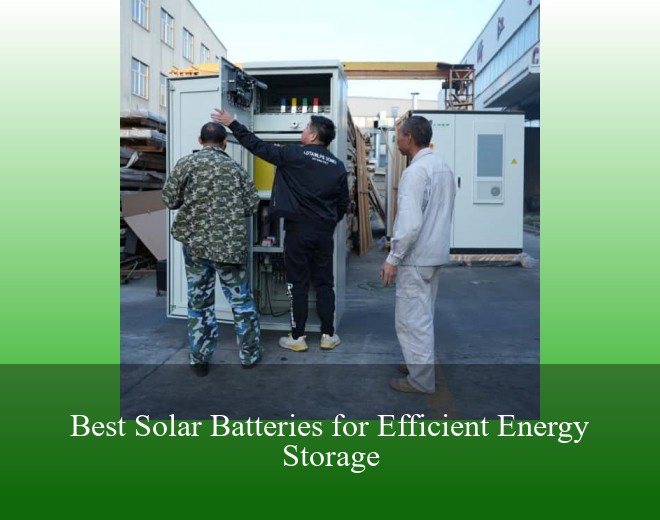
You've probably heard the solar industry's dirty little secret: solar panels only produce power when the sun shines. But what happens at night or during cloudy days? That's where energy storage systems become crucial - and where most homeowners make costly mistakes.
Solar Energy Panels: Harnessing Sun Power for Sustainable Energy Storage
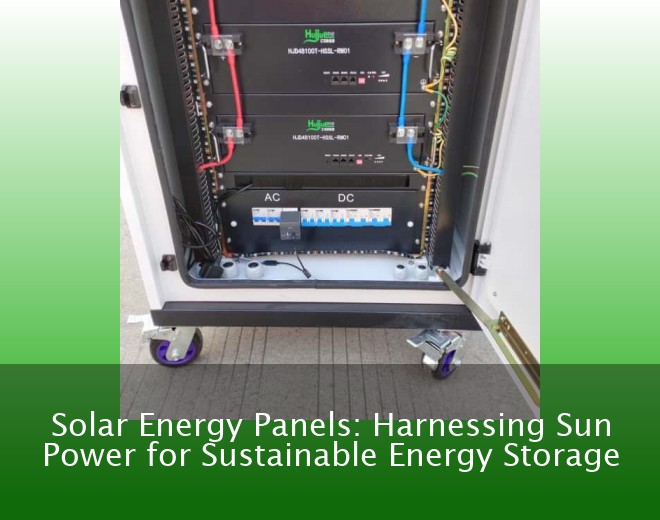
Let's cut through the noise – solar panels alone won't solve our energy crisis. The real magic happens when photovoltaic cells meet advanced storage systems. Recent data shows lithium-ion batteries still dominate 78% of residential solar installations, but wait, no... actually, sodium-ion alternatives are gaining traction in utility projects due to lower fire risks.
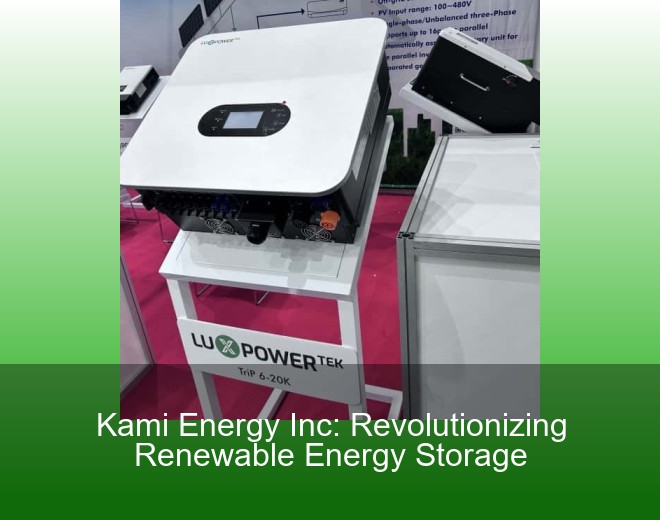
Kami Energy Inc: Revolutionizing Renewable Energy Storage
Ever wondered why California still experiences rolling blackouts despite having 15GW of installed solar capacity? The answer lies in our inability to store sunshine effectively. Traditional lithium-ion systems lose 18-23% efficiency within 5 years, creating a $47B annual gap in renewable energy utilization globally.
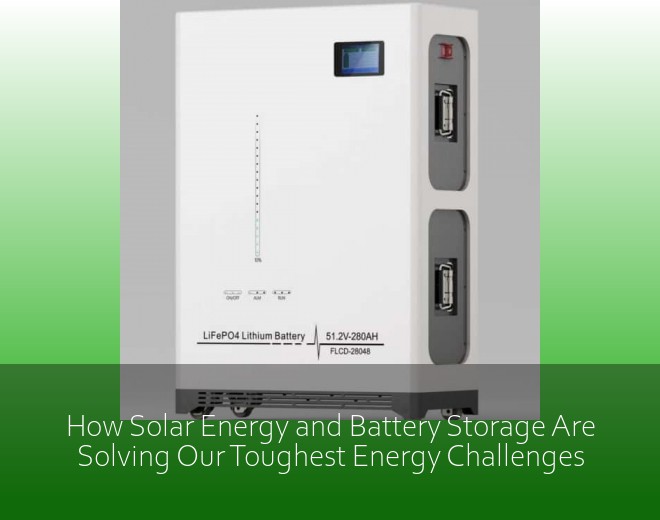
How Solar Energy and Battery Storage Are Solving Our Toughest Energy Challenges
Let's face it – our current energy model's about as stable as a house of cards in a windstorm. Fossil fuel prices swung wildly last quarter, with natural gas hitting $8.50/MMBtu in February before crashing to $4.20 by March. Meanwhile, extreme weather events knocked out power for 2.3 million U.S. households just last month. Solar energy isn't just an alternative anymore; it's becoming our safety net.
 Inquiry
 Online Chat