


Renewable Energy Storage Breakthroughs Explained
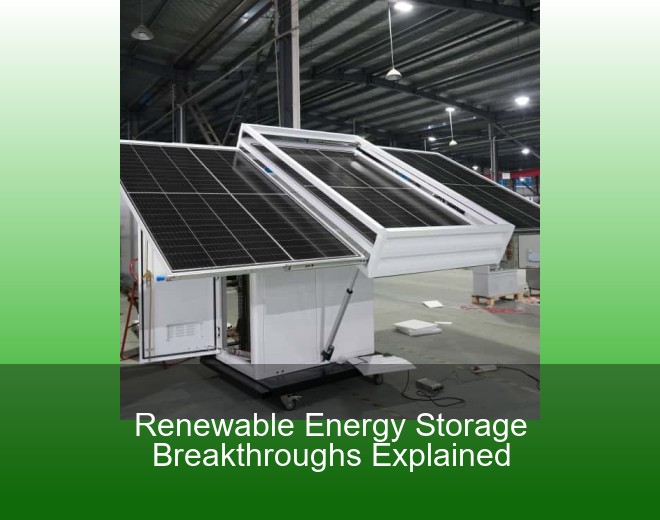
Table of Contents
The Renewable Energy Storage Challenge
Did you know that China installed 370 million kW of new renewable capacity in 2023, yet only 19% of total energy consumption comes from clean sources? This glaring gap between installation and actual usage reveals our industry's elephant in the room - energy storage limitations.
Current Grid Limitations
Most grids still operate like analog radios in a Spotify world. They can't handle solar's midday production spikes or wind's nocturnal gusts. Take California's infamous "duck curve" - where solar overproduction actually forces utilities to PAY consumers to use electricity!
The Cost Conundrum
While lithium-ion prices dropped 89% since 2010, storage remains the priciest piece of the renewables puzzle. A typical 10kW home system still needs $12,000-$18,000 in batteries - enough to make any homeowner gulp.
Breakthroughs in Solar-Plus-Storage Systems
Here's where it gets exciting. New photovoltaic technologies are rewriting the rules:
Bifacial Panel Advancements
Huijue's latest double-sided panels generate 35% more power by capturing reflected light. Field tests in Gobi Desert showed 27% annual yield increase compared to traditional modules.
Real-World Impact
When paired with flow batteries, these systems achieve 92% round-trip efficiency. That's like losing just 8 cents for every dollar you store - a massive improvement from 2015's 25% loss rates.
Battery Storage Innovations Changing the Game
The National Energy Group recently deployed a 2MW/8MWh vanadium flow battery system, showcasing how new chemistries solve duration issues. But what does this mean for everyday consumers?
- Lithium alternatives lasting 20+ years
- Fire-safe solid-state batteries entering production
- Recyclable zinc-air units hitting $75/kWh
Imagine your home battery lasting longer than your mortgage! That's the promise of Huijue's nickel-hydrogen prototypes showing 30,000+ charge cycles in lab tests.
Real-World Applications Making Difference
Let's get concrete. Huijue's microgrid project in Yunnan Province:
| Metric | 2019 | 2024 |
|---|---|---|
| Storage Capacity | 4hrs | 72hrs |
| Cost/kWh | $980 | $214 |
| Renewable Utilization | 61% | 94% |
This isn't lab theory - it's powering 40,000 homes right now through monsoon seasons and winter storms. The secret sauce? Hybrid systems combining pumped hydro with electrochemical storage.
Lessons From the Field
Maintenance teams discovered something unexpected - batteries in cooler mountain climates degrade 40% slower than spec sheets predicted. This accidental finding is reshaping our installation guidelines as we speak.
You know what they say - sometimes the best discoveries come from broken HVAC units! Which makes you wonder... What other real-world factors are we still underestimating in storage projects?
Related Contents
Renewable Energy Storage Breakthroughs Explained
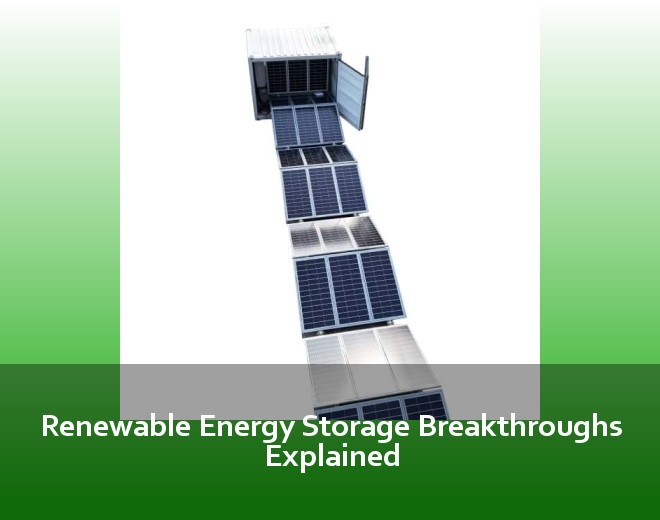
Here's something you might not realize - Germany produced so much solar power last June that electricity prices went negative for 31 hours straight. Wait, no... actually it was 47 hours according to updated EEX reports. Crazy, right? But here's the kicker: factories were being paid to use extra power while homeowners faced higher bills due to grid instability fees.
Renewable Energy Storage Breakthroughs Explained
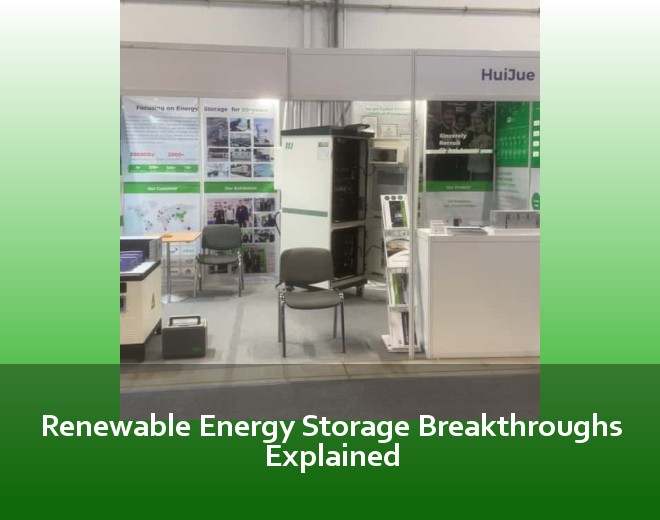
You know how people keep talking about renewable energy like it's some magic bullet? Well, here's the rub - solar panels don't shine at night and wind turbines stop spinning on calm days. This intermittency problem causes energy waste that's sort of like leaving your fridge door open in July. In 2024 alone, California's grid reportedly dumped 2.3TWh of renewable energy - enough to power 200,000 homes annually.
Energy Storage Box: The Missing Link in Your Renewable Energy Setup
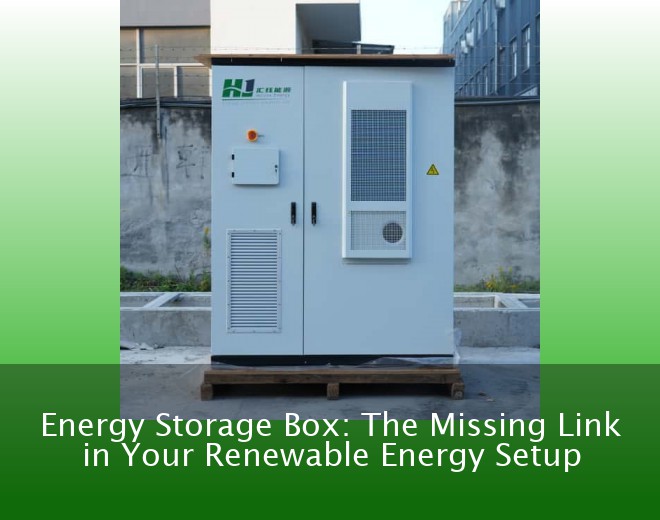
Let’s face it – solar panels and wind turbines are having a moment. But what happens when the sun isn’t shining or the wind isn’t blowing? This isn’t some theoretical problem. Last February, Texas experienced rolling blackouts despite having 35GW of installed wind capacity. The culprit? A classic case of intermittency in renewable generation.
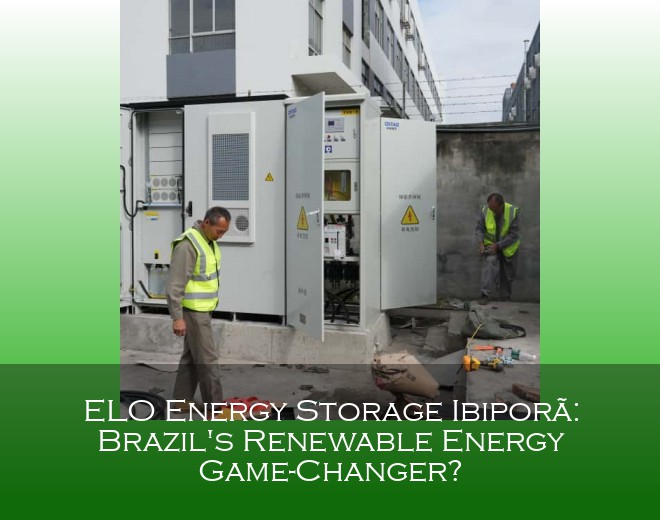
ELO Energy Storage Ibiporã: Brazil's Renewable Energy Game-Changer?
You know, Brazil generates 84% of its electricity from renewables - a world leader in hydropower. But here's the kicker: energy storage capacity remains stuck at less than 2% of total generation. When droughts hit (like the 2021 crisis that spiked electricity prices by 52%), the country literally lights out.
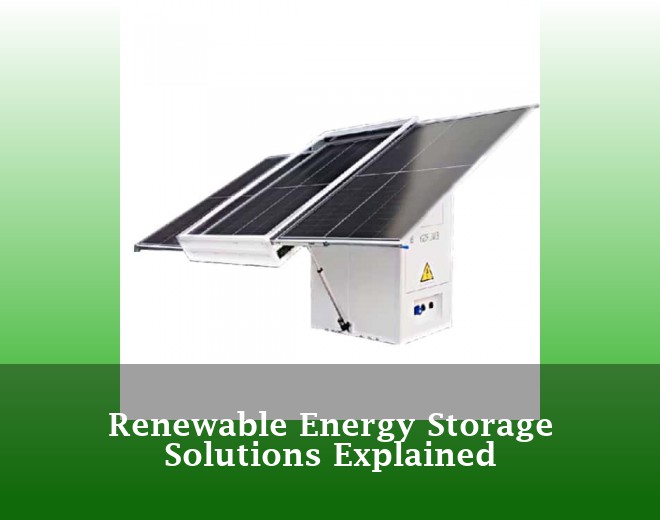
Renewable Energy Storage Solutions Explained
we've all seen solar panels glittering on rooftops and wind turbines spinning majestically. But here's the kicker: renewable energy generation doesn't match our consumption patterns. You know what they say about solar power? It's sort of like having a full-time job that only pays you between 10 AM and 2 PM.
 Inquiry
 Online Chat