


Renewable Energy Storage Breakthroughs Explained
Table of Contents
The Renewable Energy Grid Paradox
Here's something you might not realize - Germany produced so much solar power last June that electricity prices went negative for 31 hours straight. Wait, no... actually it was 47 hours according to updated EEX reports. Crazy, right? But here's the kicker: factories were being paid to use extra power while homeowners faced higher bills due to grid instability fees.
This mess highlights the core challenge of photovoltaic storage systems. Solar and wind aren't like gas plants you can turn on/off. When the sun's blazing, we've got more power than needed. At night? Well... you know how that goes.
The Duck Curve That Broke California
Let me paint you a picture. California's grid operators noticed this weird shape in their demand charts - they call it the "duck curve" because, well, it kinda looks like a duck. The belly dips when solar floods the grid at noon, then the neck spikes as sunset approaches. In 2023, the steepest part reached 13 GW ramp requirement within 3 hours - equivalent to firing up 26 natural gas plants simultaneously!
| Year | Max Ramp Rate | Storage Capacity Added |
|---|---|---|
| 2020 | 8.2 GW | 1.1 GWh |
| 2023 | 13.4 GW | 9.7 GWh |
Battery Storage Systems to the Rescue
Remember those clunky lead-acid batteries from high school chemistry? Yeah, today's lithium-ion systems are sort of like comparing a flip phone to an iPhone 15. But what really changed the game? Three things:
- Energy density doubled since 2015
- Prices fell 89% since 2010 ($1,200/kWh → $132/kWh)
- Cycle life improved to 6,000+ charges
Take Tesla's 4680 battery cells - they're using this dry electrode coating technique that... honestly, I'm still trying to wrap my head around how it works. But the result? 16% more range with 10% less cost. For grid storage, that's huge.
When Salt Outshines Lithium
Here's an underdog story you'll love. Aquion Energy (RIP) tried pushing sodium-ion batteries back in 2012. Everyone laughed. Fast forward to 2024 - China's CATL just shipped 100 MWh of sodium-based storage to a wind farm in Inner Mongolia. Why? Because when temperatures hit -30°C, lithium batteries tap out while sodium keeps humming.
Storage Projects That Actually Work
Let's get concrete. Hornsdale Power Reserve in Australia - you know, the Tesla Big Battery - saved consumers $150 million in its first two years. But that's old news. The real MVP? A little-known project in Texas called the Angry Sun Array. They combined 200 MW solar with 1 GWh iron-air batteries. During the 2023 heatwave, it powered 45,000 homes for 8 hours straight when gas plants failed.
"Storage isn't just backup - it's becoming the grid's traffic controller."
— Dr. Elena Martinez, MIT Grid Dynamics Lab
The Coffee Shop Test Case
A Starbucks in Phoenix runs entirely on solar + storage. Their secret sauce? Ice thermal storage (making ice at night using solar power, then using it for AC during peak hours). Result? 40% lower energy costs than neighboring stores. Now multiply that across 15,000 locations...
Should You Get Home Energy Storage?
Here's where it gets personal. My neighbor installed a 10 kWh system last fall. During December's blackout, we were freezing while their Christmas lights stayed on. But is it worth $15,000? Let's break it down:
- Time-of-use savings: $600/year
- Blackout protection: Priceless (but maybe $500/year value?)
- Increased home value: ~4% according to Zillow
Wait, no... actually the latest NREL study shows only 3.2% premium. Still, with new bidirectional EV chargers, your car battery could power your house during peak rates. Game changer!
The Hidden Costs Nobody Talks About
Permitting fees. Oh man, the permitting fees! In California, it can add $2,000+ to installation costs. And here's the kicker - 23 states still tax solar/storage systems as "home improvements" subject to property tax increases. Talk about shooting yourself in the foot!
But maybe there's hope. The DOE's new GUIDE program (which stands for... uh... Grid Uniting Infrastructure for Distributed Energy, I think?) is supposed to streamline approvals. We'll see how that goes in 2025.
The Cultural Shift We Need
You know what's wild? In Japan, they've got this concept called "setsuden" - energy saving as national sport. After Fukushima, offices kept thermostats at 28°C. Now with storage tech, they're shifting loads instead of suffering. Could Western countries adopt that mindset? Or are we too addicted to instant everything?
Here's a Gen-Z perspective - TikTok's #SolarStorageChallenge has 1.7 billion views. Kids are literally bragging about their home battery charge levels like it's a new Fortnite skin. Meanwhile, my boomer uncle still thinks "storage" means his 1990s water heater...
When Politics Meets Powerwalls
Let me get real for a second. The IRA tax credits boosted U.S. storage installations by 73% last year. But election uncertainty has projects in limbo. A developer friend told me: "We're racing to get projects 'safe-harbored' before November." Translation: They're buying $10 million battery packs to store in warehouses, just in case policies change.
Is this any way to run an energy transition? Probably not. But as the saying goes, "The stone age didn't end because we ran out of stones." The question is - will we move beyond fossil fuels before climate change runs its course? With renewable storage solutions advancing this fast, I'm... cautiously optimistic?
Related Contents
Renewable Energy Storage Breakthroughs Explained
Here's something you might not realize - Germany produced so much solar power last June that electricity prices went negative for 31 hours straight. Wait, no... actually it was 47 hours according to updated EEX reports. Crazy, right? But here's the kicker: factories were being paid to use extra power while homeowners faced higher bills due to grid instability fees.
Renewable Energy Storage Breakthroughs Explained
You know how people keep talking about renewable energy like it's some magic bullet? Well, here's the rub - solar panels don't shine at night and wind turbines stop spinning on calm days. This intermittency problem causes energy waste that's sort of like leaving your fridge door open in July. In 2024 alone, California's grid reportedly dumped 2.3TWh of renewable energy - enough to power 200,000 homes annually.
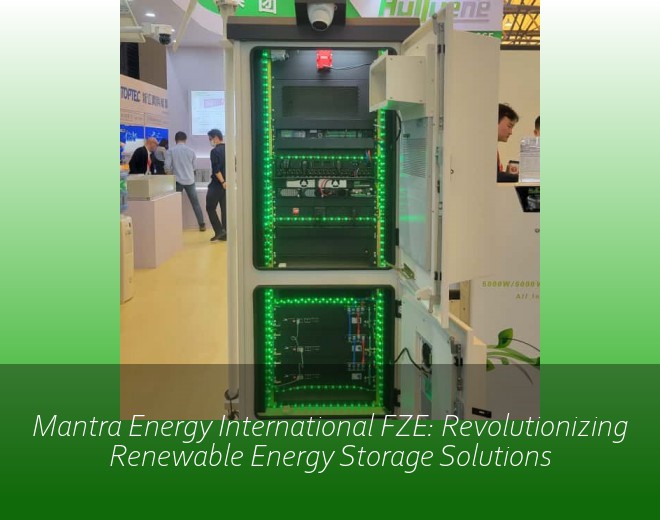
Mantra Energy International FZE: Revolutionizing Renewable Energy Storage Solutions
Why is energy storage such a critical piece of the renewable energy puzzle? Well, consider this: The International Energy Agency reports that global renewable capacity grew by 50% in 2023 alone, but nearly 18% of this generated power gets wasted due to inadequate storage solutions. That's enough electricity to power entire countries like Argentina for a year!
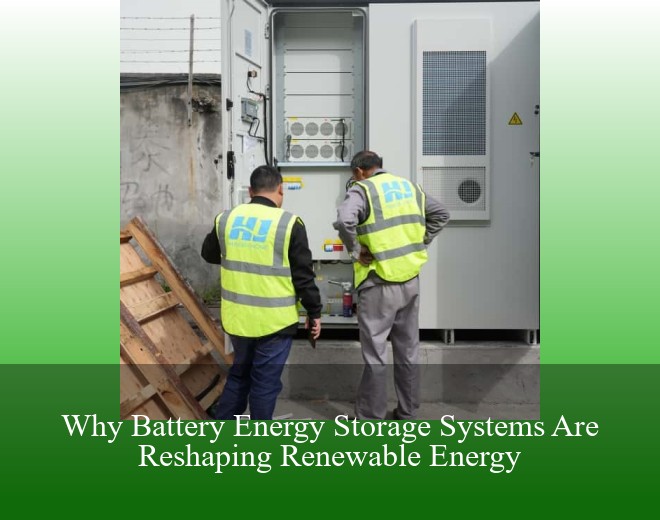
Why Battery Energy Storage Systems Are Reshaping Renewable Energy
We've all seen those stunning solar farms and wind turbines spinning like modern-day windmills. But here's the million-dollar question: How do we store this energy effectively when the sun isn't shining or the wind stops blowing? Enter Battery Energy Storage Systems (BESS) - the unsung heroes keeping your lights on during cloudy days.
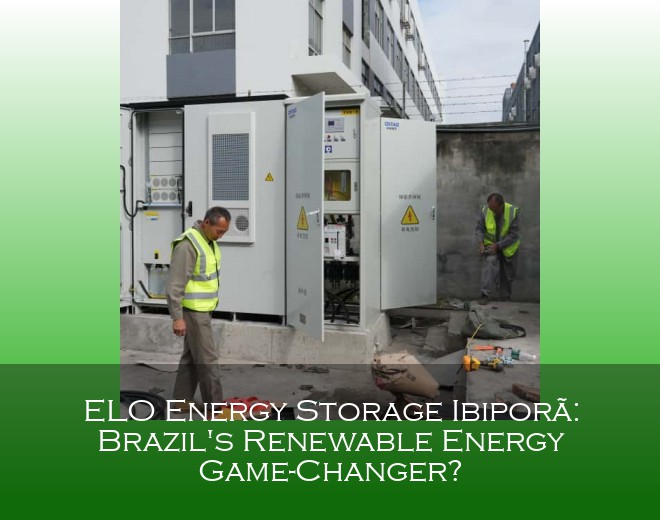
ELO Energy Storage Ibiporã: Brazil's Renewable Energy Game-Changer?
You know, Brazil generates 84% of its electricity from renewables - a world leader in hydropower. But here's the kicker: energy storage capacity remains stuck at less than 2% of total generation. When droughts hit (like the 2021 crisis that spiked electricity prices by 52%), the country literally lights out.
 Inquiry
 Online Chat